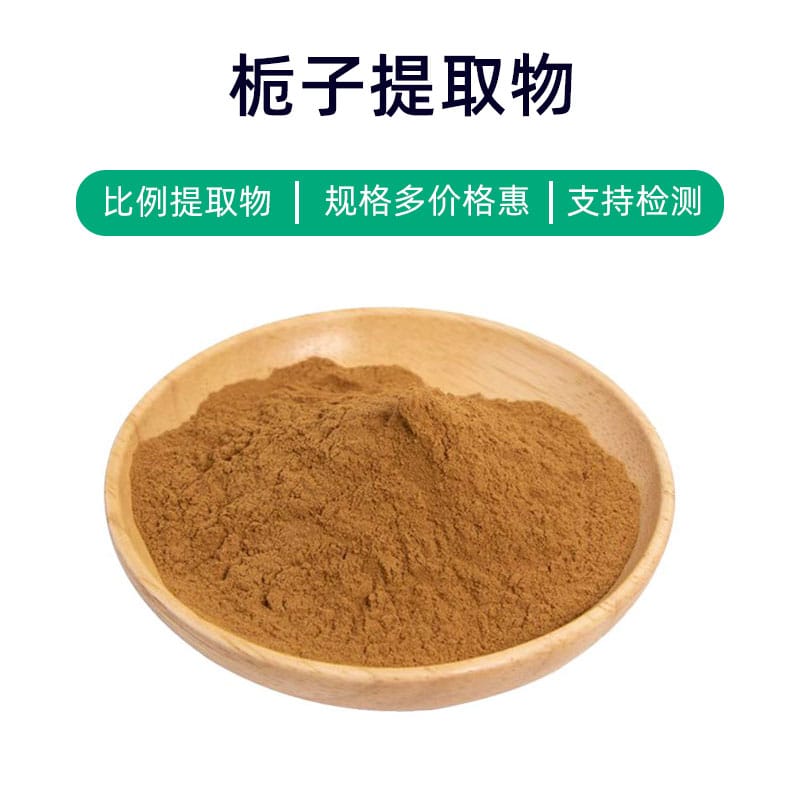
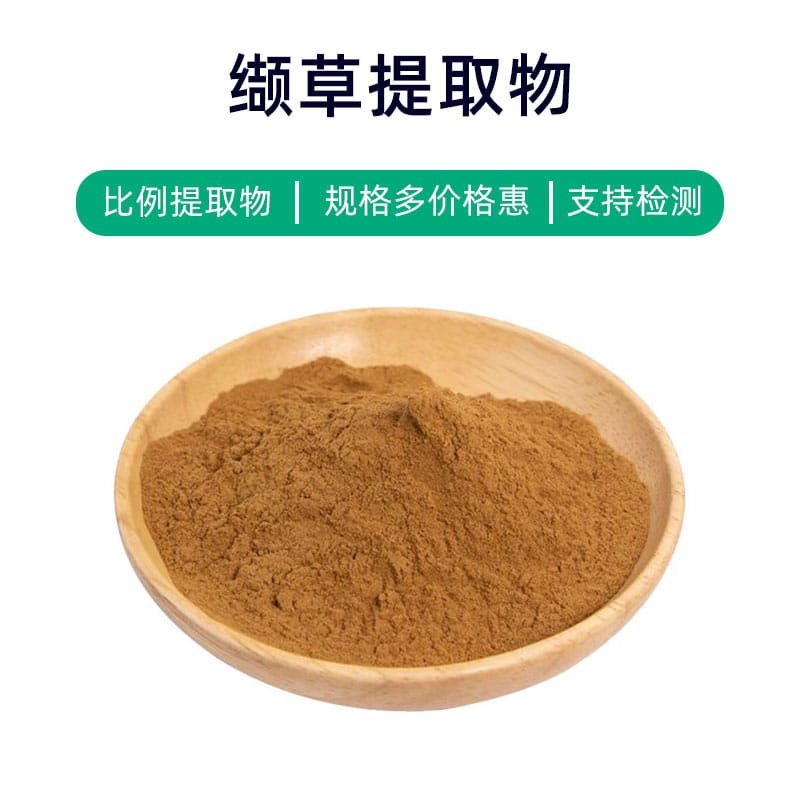



Valerian Root Extract Product Introduction
Valerian root extract is a natural plant extract obtained from the dried aerial parts of the Valerian plant. Its main components include flavonoids (such as isoflavones and flavonoid glycosides), polysaccharides, and phenolic compounds. These components endow the extract with various effects and applications.
Valerian root extract is extensively used in the fields of dietary supplements, pharmaceuticals, and cosmetics. In dietary supplements, it is believed to enhance sexual function, improve libido, boost immunity, and promote bone health. The flavonoids it contains are thought to help improve blood circulation, contributing to increased vitality and endurance.
In pharmaceuticals, valerian root extract is commonly used in male health products, such as supplements and medications aimed at improving sexual function. Its history and wide application in enhancing sexual function, libido, and treating erectile dysfunction and premature ejaculation are notable.
In cosmetics, valerian root extract is often found in skincare products, claimed to improve skin elasticity, reduce wrinkles, and enhance skin texture, offering certain anti-aging and beauty effects. It is also added to some hair care products, purported to promote hair growth and improve hair quality.
Overall, valerian root extract, as a natural plant extract, has various effects and applications, widely favored by consumers in dietary supplements, pharmaceuticals, and cosmetics.
Valerian Root Extract Production Process
The production process of valerian root extract typically includes the following steps:
- Raw Material Collection: First, high-quality valerian plants are collected, usually selecting the aerial parts. The harvested valerian should be during its optimal growth period to ensure the content and quality of its active components.
- Cleaning and Processing: The collected valerian plants must be cleaned and processed to remove impurities and contaminants, ensuring the purity and quality of the extract. After cleaning, the valerian should be air-dried or oven-dried to a certain moisture level.
- Crushing and Grinding: The cleaned and processed valerian plants are crushed and ground to increase extraction efficiency and surface area, facilitating subsequent extraction processes.
- Extraction: Appropriate solvents (such as water, ethanol, etc.) are used for extraction, typically employing methods like soaking, water extraction, or supercritical fluid extraction. During the extraction process, temperature, pressure, and extraction time need to be controlled to ensure the active components are adequately extracted.
- Filtration and Concentration: The extracted mixture must be filtered and concentrated to remove suspended solids and solvents, resulting in a concentrated extract.
- Separation and Purification: Further separation and purification of the concentrated extract is performed, commonly using chromatographic techniques such as gel chromatography and column chromatography, to remove impurities and enhance the purity of the extract.
- Drying and Grinding: The separated and purified extract is dried to obtain a fine powder of valerian root extract. After drying, the extract may be further ground to achieve a more uniform particle size.
- Packaging and Storage: Finally, the dried and ground valerian root extract is packaged, typically using moisture-proof and light-proof materials to ensure its quality and stability. It should be stored in a dry, cool, ventilated place, avoiding direct sunlight and high temperatures to extend its shelf life.
Following these production process steps can yield high-quality, pure valerian root extract to meet the needs of pharmaceuticals, dietary supplements, and cosmetics.
Effects and Side Effects of Valerian Root Extract
Valerian root extract is a common plant extract with various effects and functions:
- Antioxidant Properties: Valerian root extract is rich in various bioactive components, such as flavonoids and polyphenols, with significant antioxidant effects that can eliminate free radicals, delay cell aging, and protect cells from oxidative damage.
- Anti-inflammatory Effects: Research shows that the active components in valerian root extract can inhibit inflammatory responses, alleviating pain and discomfort caused by inflammation, helping to relieve symptoms of arthritis and skin inflammation.
- Antibacterial Properties: Some components in valerian root extract have antibacterial and antimicrobial effects and can inhibit the growth of bacteria, fungi, and viruses, assisting in the prevention and treatment of infectious diseases.
- Liver Protection: Valerian root extract is believed to have protective effects on the liver, enhancing antioxidant capacity in liver cells, reducing the risk of liver damage, and helping to prevent liver disease and improve liver function.
- Blood Sugar Regulation: Some studies indicate that valerian root extract may have a regulating effect on blood sugar levels, potentially lowering blood sugar and helping manage diabetes and improve insulin sensitivity.
- Improvement in Cardiovascular Health: The active components of valerian root extract are beneficial for the cardiovascular system, lowering blood pressure and cholesterol levels, preventing atherosclerosis and cardiovascular diseases.
- Anti-allergic Effects: Certain components in valerian extract have anti-allergic properties, helping to reduce symptoms caused by allergic reactions, such as sneezing, runny nose, and skin itching.
- Cognitive and Memory Improvement: Some studies suggest valerian root extract may play a role in enhancing memory and cognitive functions, helping to prevent age-related cognitive decline and Alzheimer's disease.
Despite the various benefits and effects of valerian root extract, potential side effects should be considered, such as allergic reactions and digestive discomfort. Therefore, it is advisable to consult a doctor or pharmacist before use to avoid adverse reactions.
Application Scenarios and Dosage of Valerian Root Extract
Valerian root extract has extensive applications in medicine, food, and cosmetics. Here are the detailed applications and dosage recommendations for various scenarios:
- Medical Field:
- Valerian root extract is often used in traditional medicine formulations for treating inflammatory diseases, liver diseases, cardiovascular diseases, etc.
- In herbal medicine, valerian root extract may be used alone or in conjunction with other herbal remedies to regulate qi and blood, clear heat, and detoxify.
- Usage: Generally, valerian root extract can be used as an herbal decoction, or formulated into granules, oral liquids, etc.
- Food Industry:
- Valerian root extract is used as a food additive to enhance the nutritional value and functionality of food.
- It is commonly found in beverages, dietary supplements, and health products, aimed at increasing the nutritional content and health benefits of products.
- Dosage: The usage quantity of food additives must comply with relevant national regulations, typically added according to the formulation ratios.
- Cosmetics Field:
- Valerian root extract is frequently found in skincare products for soothing the skin and providing antioxidant and anti-inflammatory benefits.
- It is widely used in creams, lotions, masks, and serums to improve skin texture and condition.
- Usage: In cosmetics, it is generally part of the formulation, and usage should follow the product instructions.
Overall, valerian root extract is widely used in traditional medicine formulations, displaying multiple pharmacological effects; in the food industry, it serves as a food additive to enhance nutritional and functional aspects; and in cosmetics, it mainly serves as an ingredient in skincare products, providing antioxidant, anti-inflammatory, and soothing properties. Users should adhere to the dosage instructions provided in product manuals and consult a professional physician or pharmacist if any discomfort arises.
Overview of the Source Plant of Valerian Root Extract, Distribution, and Growth Environment
Valerian (Scientific Name: Valeriana officinalis) is a perennial herbaceous plant belonging to the Valerianaceae family and is a common traditional Chinese medicinal herb. Below is an introduction to the source plant of valerian, its distribution, and its growth environment.
- Source Plant:
- Valerian is a perennial herb with a creeping root system, featuring compound leaves and flowering from late spring to early summer, producing many small flowers that are mostly yellow or purple in color.
- Valerian plants are widely used in traditional Chinese medicine, with the entire plant being the primary medicinal part, containing various active components and exhibiting numerous pharmacological activities.
- Distribution:
- Valerian primarily grows in southern China, including provinces like Hunan, Hubei, Jiangxi, Anhui, Zhejiang, Fujian, Guangdong, and Guangxi.
- In the wild, valerian often thrives in shady environments, such as under mountain forests, in rock crevices, and along stream banks, preferring moist, shaded conditions, and is highly adaptable to various soil types.
- Growth Environment:
- Valerian thrives in moist, semi-shaded environments and can grow in various settings including mountains, rock crevices, and along streams.
- It is not picky about soil conditions but prefers loose, fertile, well-draining soil, showing good adaptability to both acidic and neutral soils.
In its natural habitat, valerian often coexists with other plants, commonly found in humid environments such as forest understories, creek sides, and rock crevices, favoring moist climates and semi-shaded growth environments. Due to its strong adaptability to growth environments, valerian is widely distributed within its range.
Processing and Storage of Valerian Root Extract
The processing of valerian root extract typically involves the following steps: First, the collected valerian must be cleaned and initially processed to remove impurities. Then, the cleaned valerian is dried, either through air drying or sun drying, to preserve its quality and active components. Next, appropriate extraction methods (such as water or alcohol extraction) are employed to obtain the extract. Finally, through steps like concentration, filtration, and solvent removal, the final valerian root extract is produced.
For storage, it is generally advised to keep the extract in a cool, dry, well-ventilated environment, avoiding direct sunlight and high temperatures, as well as preventing moisture. This helps maintain the stability and integrity of its active components. It is best to store in sealed containers and regularly check the appearance and smell of the extract to ensure quality and safety.

Monica Sun is a seasoned expert in the plant extraction industry with over a decade of experience in research and production. She specializes in the extraction and purification of plant active ingredients, focusing on driving innovation in natural product applications. Monica has participated in the development of multiple functional plant extracts, delivering high-value natural raw material solutions for the health food, pharmaceutical, and dietary supplement sectors.