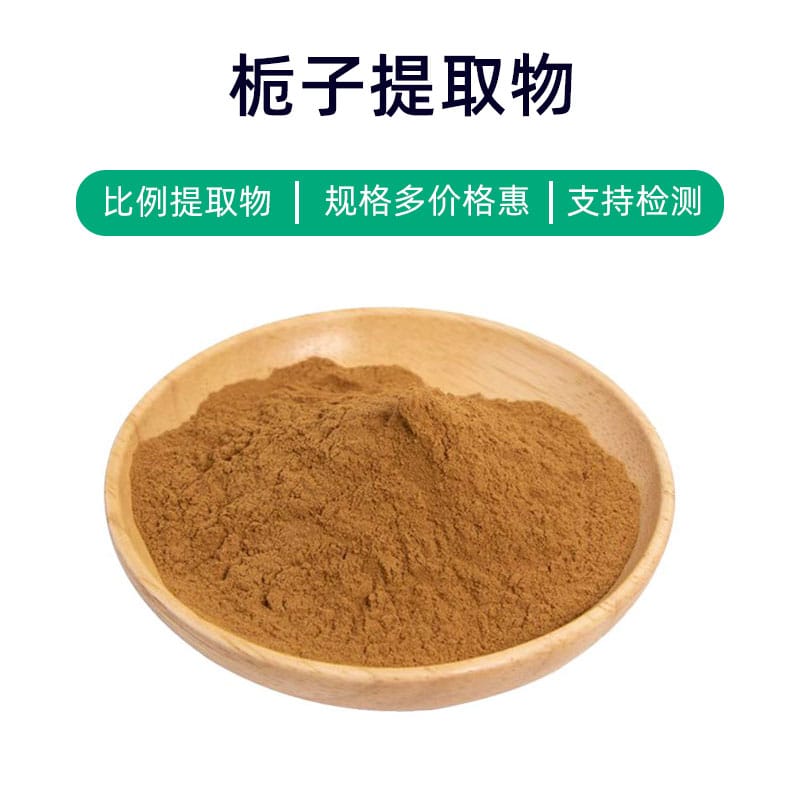



Forsythia Extract Product Introduction
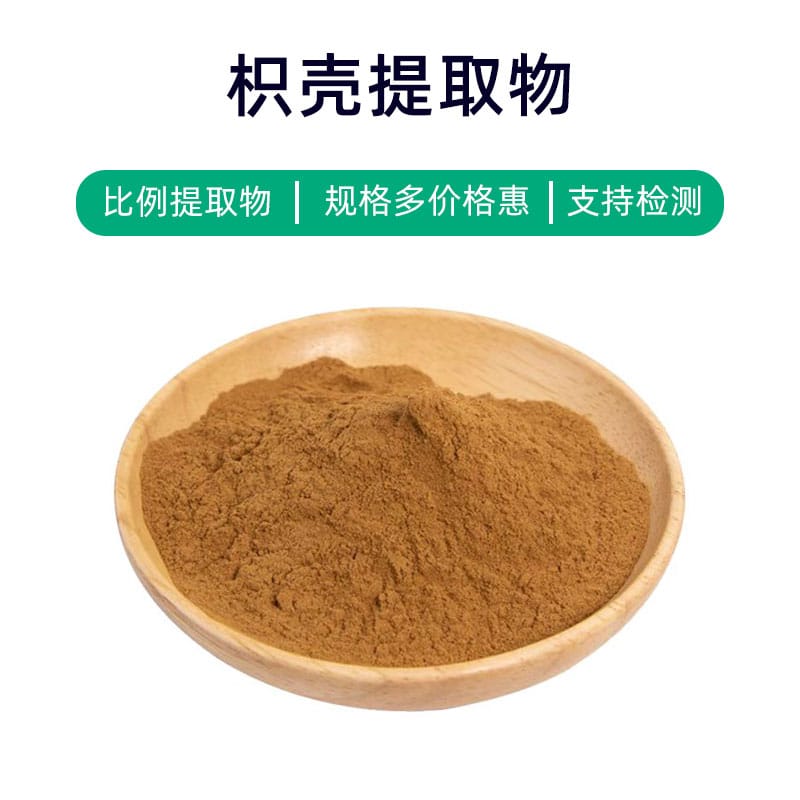
Forsythia extract is a natural plant extract derived from the Forsythia suspensa plant, with main components including quercetin, paeonol, and amygdalin. This extract is widely used in the pharmaceutical and skincare industries.
In the medical field, Forsythia extract is noted for its anti-inflammatory, antibacterial, and antiviral effects. It can be utilized in the formulation of oral medications, topical ointments, and injections for treating ailments like colds, pharyngitis, and upper respiratory infections. Forsythia extract also demonstrates certain antioxidant and anti-inflammatory properties, helping to alleviate inflammatory responses and skin discomfort.
In skincare, Forsythia extract is often included in products for its antibacterial, anti-inflammatory, and soothing benefits. It's found in facial care items, body lotions, and masks, aiding in improving skin conditions, reducing sensitivity, and providing a comforting skincare experience.
Overall, Forsythia extract as a natural plant extract shows broad application prospects in medicine and skincare, with its main effects including anti-inflammatory, antibacterial, antiviral, and antioxidant properties, fulfilling various needs across different fields while maintaining good safety and reliability.
Forsythia Extract Production Process
The production process for Forsythia extract typically includes the following key steps:
- Raw Material Preparation: Select fresh Forsythia plants as the extraction material. The plants should be healthy and free from pests or diseases, preferably harvested during flowering to ensure active ingredient potency.
- Washing: Clean the harvested Forsythia plants to remove impurities, dirt, and surface contaminants to maintain cleanliness.
- Chopping and Grinding: Chop or grind the washed Forsythia plants to increase extraction efficiency and surface area, facilitating the subsequent extraction process.
- Extraction Process: Utilize appropriate extraction methods such as water extraction, ethanol extraction, or supercritical fluid extraction, ensuring thorough contact between the chopped Forsythia plants and the extraction agent to extract active components.
- Concentration and Separation: Concentrate the extracted solution to remove excess solvent, resulting in a concentrated liquid. Then, employ separation techniques like extraction or thin-layer chromatography to isolate and purify target components.
- Drying: Dry the purified product to convert it into powder or solid form, making it easier for packaging, storage, and use.
- Quality Control: Conduct quality control throughout the production process, monitoring key parameters such as active ingredient content, microbial indicators, and heavy metal residues, ensuring compliance with relevant standards and regulations.
- Packaging and Storage: Package the finished Forsythia extract appropriately to prevent exposure to moisture, light, and oxygen. Store in a cool, dry environment, avoiding high temperatures and direct sunlight to extend shelf life and stability.
In summary, the production process of Forsythia extract includes raw material preparation, washing, chopping and grinding, extraction, concentration and separation, drying, quality control, packaging, and storage. Each step must be closely monitored to ensure product quality and safety.
Forsythia Extract Effects and Side Effects
Forsythia extract, derived from the Forsythia plant (Forsythia suspensa), contains rich active components, including various aromatic compounds. It is widely used in medicine, food, and cosmetics, offering a range of effects and benefits.
- Antioxidant Effects: Rich in antioxidants, Forsythia extract helps eliminate free radicals in the body, protects cells from oxidative damage, and slows down aging.
- Anti-inflammatory Effects: Studies indicate that Forsythia extract exhibits significant anti-inflammatory properties which can help relieve pain and discomfort caused by inflammation.
- Antibacterial Effects: Forsythia extract has inhibitory effects against various bacteria and fungi, making it useful in treating infectious diseases and skin inflammations.
- Digestive Health: Forsythia extract is used as a digestive aid, promoting the secretion of digestive fluids, and relieving indigestion and gastrointestinal discomfort.
- Soothing Effects: Forsythia extract has a calming effect on the nervous system, helping to alleviate anxiety, tension, and stress, thus improving sleep quality.
- Anti-allergic Effects: Some research indicates that Forsythia extract can reduce allergic reactions, alleviating symptoms of allergic diseases like rhinitis and asthma.
- Cardiovascular Protection: Certain components in Forsythia extract exhibit lipid-lowering, antihypertensive, and anti-thrombotic effects, aiding in the prevention of cardiovascular diseases.
- Anti-tumor Effects: Preliminary research suggests that Forsythia extract may have anti-tumor activity, inhibiting the proliferation and metastasis of tumor cells.
As a natural plant extract, Forsythia is generally safe at appropriate doses, but excessive use may lead to side effects such as gastrointestinal discomfort, dizziness, and nausea. Therefore, it is advisable to follow medical guidance, control dosages, and avoid adverse reactions.
In conclusion, Forsythia extract offers a multitude of benefits, including antioxidant, anti-inflammatory, antibacterial, digestive health, soothing, anti-allergic, cardiovascular protective, and anti-tumor properties, making it a natural plant extract with promising applications.
Forsythia Extract Application Scenarios and Dosage
Forsythia extract is a versatile natural plant extract with various benefits, widely used in the pharmaceutical, food, and cosmetics industries. Here is an overview of its application scenarios and recommended dosage in different sectors:
- Medical Field:
- Uses: Forsythia extract is commonly used to formulate traditional medicine and health supplements for addressing indigestion, inflammation, and infectious diseases.
- Dosage: Typically, Forsythia extract can be taken orally or applied topically. For oral use, the general recommendation is 50-100 mg per dose, 1-3 times a day. For topical use, apply as needed to the affected area 2-3 times daily.
- Food Industry:
- Uses: Forsythia extract is frequently added to food products as a flavoring and fragrance agent, such as in pastries, candies, and beverages.
- Dosage: The quantity varies as part of food formulation, typically adding 0.1-1 gram of Forsythia extract per kilogram of food, adjusting based on type and taste preferences.
- Cosmetics Industry:
- Uses: Due to its antioxidant, anti-inflammatory, and soothing properties, Forsythia extract is often incorporated into skincare products, shampoos, and body washes to protect the skin, relieve inflammation, and improve skin texture.
- Dosage: In cosmetics, Forsythia extract is generally added according to formulation requirements, with a usage range of 0.1%-5%, depending on the specific product.
- Other Fields:
- Medicinal Alcohol Extract: Forsythia extract can be included in medicinal alcohol to create oral solutions for treating indigestion and stomach pain.
- Gum and Oral Fresheners: The fragrance of Forsythia extract enhances oral freshness and is often added to gum and mouth fresheners.
Overall, Forsythia extract finds extensive applications across medicine, food, and cosmetics, with dosage adjusted according to specific needs and product formulations. However, it’s important to adhere to relevant regulations and product instructions, avoiding excessive use and improper applications.
Forsythia Plant Source, Distribution, and Growth Environment
Forsythia (scientific name: Forsythia suspensa) is a common deciduous shrub belonging to the olive family and is one of the unique plants in China. Below is an introduction to the source, distribution, and growth environment of the Forsythia plant:
- Plant Source:
- Forsythia is widely appreciated for its ornamental and medicinal value due to its uniquely fragrant flowers. Its flowers are used to make flower tea, flower bud jams, and other food products, and are also essential raw materials for soaps, perfumes, and cosmetics.
- Distribution:
- Native to China, Forsythia is primarily found in regions south of the Yangtze River, especially in the middle and lower reaches and southern provinces like Fujian, Guangdong, Guangxi, and Zhejiang. Additionally, it is cultivated and introduced in other Asian countries like Japan, South Korea, and Vietnam.
- Growth Environment:
- Forsythia thrives in warm, humid climates and requires ample sunlight. Ideal temperatures range from 15-30 degrees Celsius, being intolerant to severe cold in winter and drought in spring. While it can tolerate shade, sufficient sunlight is crucial for growth and bloom.
- In terms of soil, Forsythia is not picky, reasonably tolerant of salinity and alkalinity, but prefers loose, fertile, and well-drained loamy soil. Common growth locations include slopes, valleys, and stream sides in southern China, often found in wild areas, gardens, and parks.
- Cultivation and Propagation:
- Forsythia can be propagated through seeding, cuttings, or division. Overall, its propagation and cultivation are relatively simple, making it suitable for ornamental planting in courtyards and flower beds.
In conclusion, Forsythia is an adaptable plant with moderate growing requirements, but it’s essential to consider its needs for sunlight, humidity, and soil when selecting cultivation sites to ensure healthy growth and flowering.
Forsythia Extract Processing and Storage
The processing and storage of Forsythia extract are crucial steps to ensure product quality and freshness:
- Processing: Forsythia flowers are typically harvested during their fragrant bloom phase, using techniques like steam distillation and supercritical fluid extraction to capture their essential components. The extracted liquid can then undergo concentration, filtering, and other processes to produce the extract.
- Storage: Forsythia extract should be kept in a cool, dry, and well-ventilated area, away from direct sunlight and high temperatures. Generally, it is stored in sealed containers to prevent exposure to air and moisture. Regular checks on the extract’s appearance and aroma are recommended to ensure there are no abnormal changes.
- Moisture and Light Protection: Forsythia extract can degrade in quality when exposed to moisture and light, so storage should minimize humidity and direct sunlight to prolong its shelf life and maintain the stability of active components.
- Oxidation Prevention: The active components in Forsythia extract are prone to oxidative degradation, so opportunities for air exposure should be minimized. Consideration may be given to using nitrogen flushing to lessen oxygen's impact on the extract.
In summary, proper processing and storage methods effectively preserve the quality and active components of Forsythia extract, extend its shelf life, and ensure optimal performance during use.

Monica Sun is a seasoned expert in the plant extraction industry with over a decade of experience in research and production. She specializes in the extraction and purification of plant active ingredients, focusing on driving innovation in natural product applications. Monica has participated in the development of multiple functional plant extracts, delivering high-value natural raw material solutions for the health food, pharmaceutical, and dietary supplement sectors.