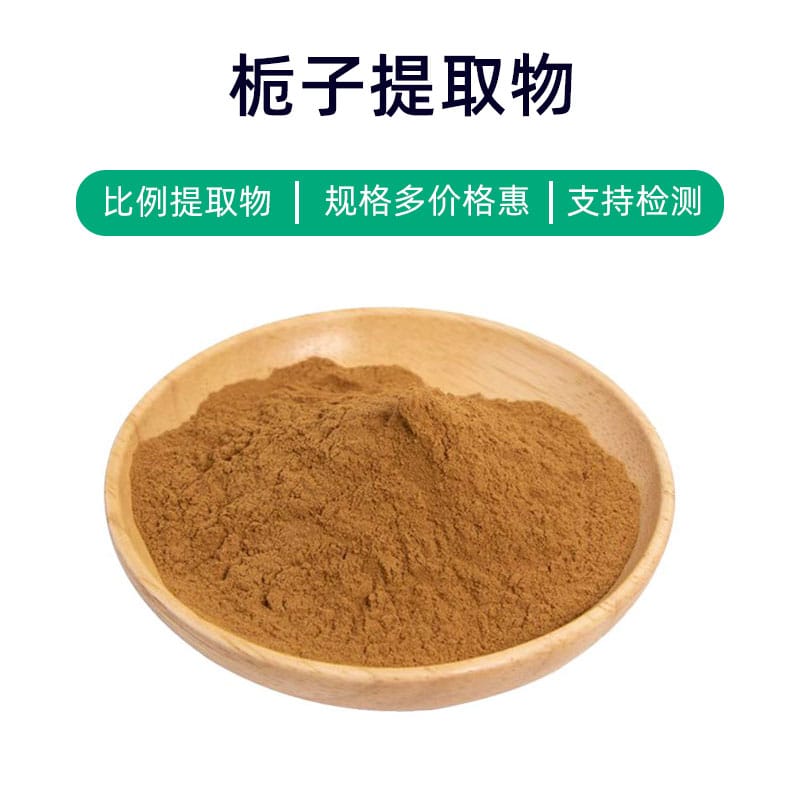
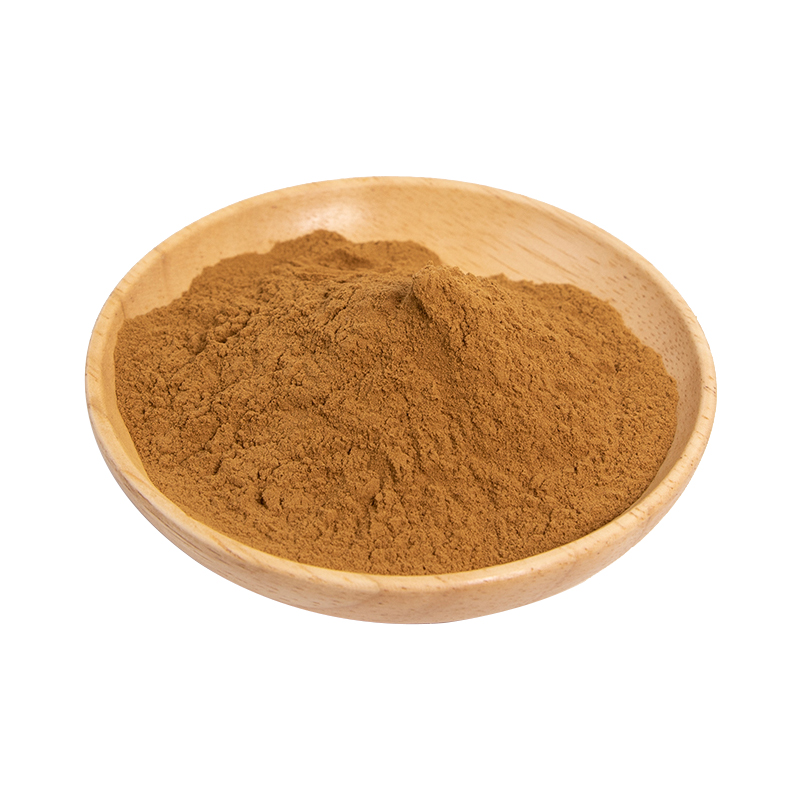



Product Introduction
Kale extract is derived from the leaves of the kale plant (Brassica oleracea), which is known for its high content of vitamins, minerals, and bioactive compounds such as flavonoids and glucosinolates. This extract is valued in various industries for its nutritional benefits, including antioxidant properties and potential anti-inflammatory effects. Commonly used in dietary supplements, functional foods, and cosmetics, kale extract serves to enhance health and wellness while supporting skin health.
Production Process
The production of kale extract typically involves harvesting fresh kale leaves, which are then cleaned and dried to remove moisture. The dried leaves undergo extraction with solvents or water to isolate the desired phytochemicals. After extraction, the solution is filtered to remove solid materials, and then the liquid extract is concentrated and dried into a powder form.
Product Functions and Effects
Kale extract is rich in antioxidants, primarily due to its high levels of vitamins A, C, and K, which help protect the body from oxidative stress. It may contribute to improved heart health through its anti-inflammatory properties and support healthy digestion thanks to its fiber content. Additionally, the presence of sulforaphane in kale extract may play a role in detoxification processes in the body.
Product Application Scenarios
Kale extract can be incorporated into dietary supplements designed to enhance overall health, support immune function, or provide antioxidant protection. In functional foods, it may be used in smoothies, protein bars, or health snacks to boost nutritional value. In the cosmetics industry, kale extract is utilized in formulations aimed at promoting skin health and providing anti-aging benefits.
Plant Source
Kale, a leafy green vegetable belonging to the Brassica family, is the primary source for this extract. It is cultivated in various regions worldwide, often grown in cooler climates due to its high cold tolerance. Kale is increasingly recognized for its health benefits and is included in diets for its nutrient density.
Packaging and Storage
Storage Conditions: Store in a sealed, light-proof container, away from high temperatures, in a dry, cool, and well-ventilated place.
Packaging: Bulk: 25kg/fiber drum; Sample: 1kg/aluminum foil bag; Custom packaging available upon request.
Shipping Methods: FedEx, DHL, dedicated logistics, and sea freight consolidation.
Shelf Life: Two years

Monica Sun is a seasoned expert in the plant extraction industry with over a decade of experience in research and production. She specializes in the extraction and purification of plant active ingredients, focusing on driving innovation in natural product applications. Monica has participated in the development of multiple functional plant extracts, delivering high-value natural raw material solutions for the health food, pharmaceutical, and dietary supplement sectors.