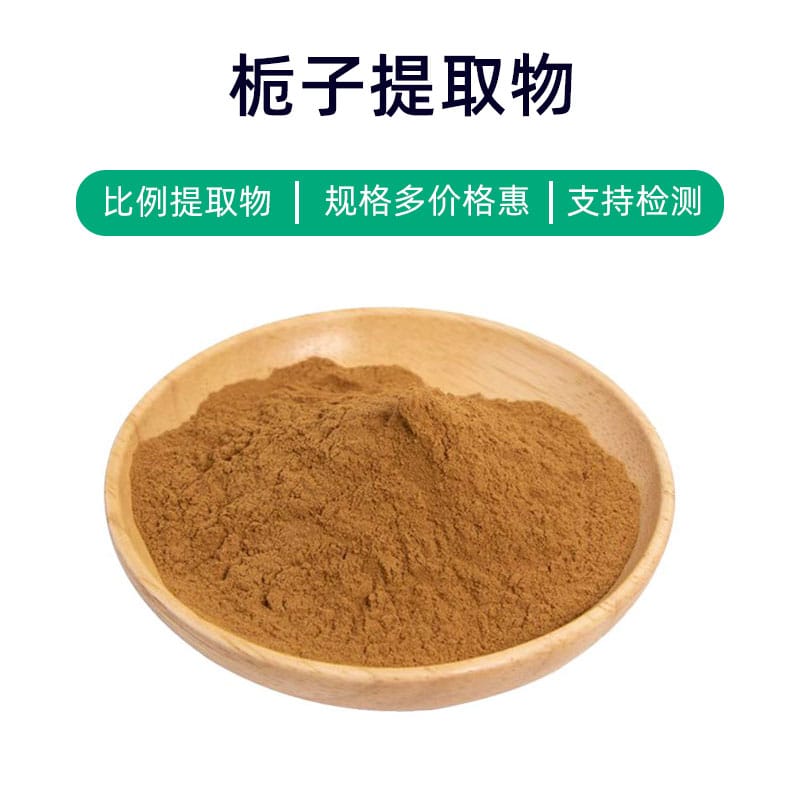
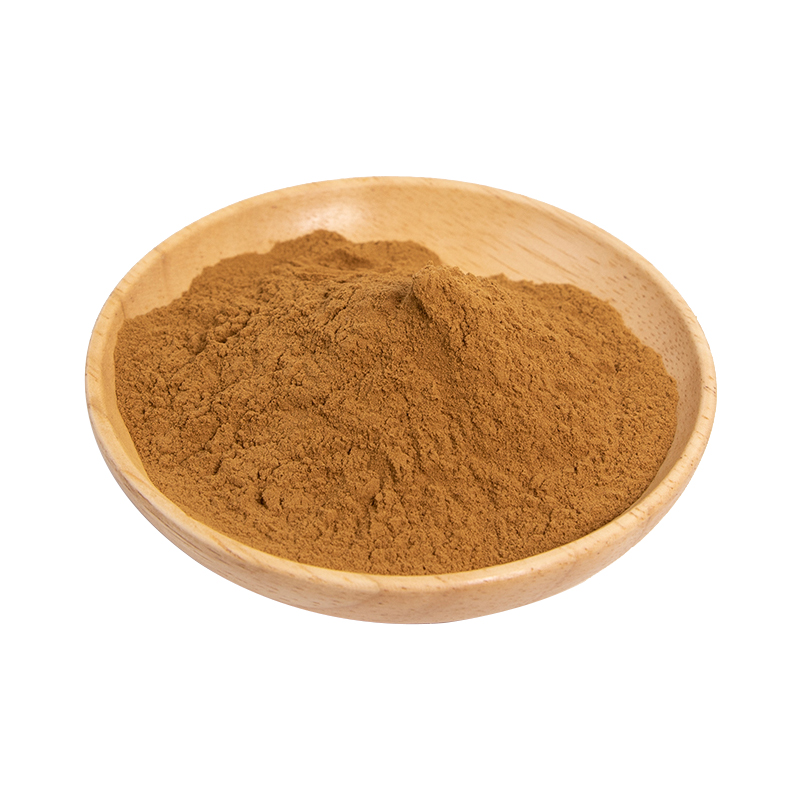



Introduction to Daylily Root Extract
Daylily Root Extract is a natural plant extract derived from the roots of Hydrangea (Hydrangea paniculata), with key ingredients such as flavonoids, polysaccharides, and essential oils. These components confer multiple benefits and a wide range of applications.
Firstly, Daylily Root Extract is extensively used in medicine. It is incorporated into traditional herbal remedies, reputed for its anti-inflammatory, antibacterial, and diuretic properties. It is also found in health products related to kidney and urinary system health, aiding in the maintenance of urinary tract wellness.
Secondly, Daylily Root Extract is gaining attention in the health supplement sector. It’s formulated into oral supplements often used to enhance urinary health, promote urine flow, and assist in eliminating metabolic waste, helping to maintain bodily balance.
Moreover, Daylily Root Extract is widely utilized in cosmetics and skincare products. Its anti-inflammatory and antioxidant properties make it an ideal ingredient in many skincare formulations. It can help alleviate skin inflammation, soothe sensitive skin, and offers some anti-aging benefits, contributing to skin health and a youthful appearance.
Overall, Daylily Root Extract serves as a versatile natural plant extract with various effects, including anti-inflammatory, diuretic, and antioxidant properties, making it widely applicable in the fields of medicine, health supplements, and cosmetics.
Manufacturing Process of Daylily Root Extract
The production process of Daylily Root Extract includes the following steps:
- Collection: First, mature daylily roots are chosen for harvest, typically during the peak growth season from spring to summer. The collected roots should be clean, with no visible pests or diseases.
- Washing and Processing: After collection, the daylily roots need to be washed to remove soil, impurities, and surface dirt. The cleaned roots should then be air-dried or excess moisture removed.
- Grinding: The washed daylily roots are then ground, usually through mechanical grinding or milling methods, reducing them to a powdered form for subsequent extraction.
- Extraction: The ground daylily root powder undergoes extraction, commonly using methods like water extraction, ethanol extraction, or supercritical fluid extraction to obtain the target components and create an extract.
- Filtration and Concentration: The extract is filtered to remove solid impurities, followed by concentration techniques to evaporate excess water, resulting in a concentrated extract.
- Drying: The concentrated extract is dried, often using spray drying or vacuum drying methods to maintain the extract's stability and shelf life.
- Grinding and Screening: The dried extract is then ground and screened to achieve the desired particle size, typically reaching an 80-100 mesh requirement.
- Packaging: Finally, the extract is packaged in moisture- and light-proof materials to ensure the product's quality and stability. The packaged extract is labeled with product name, specifications, production date, and other relevant information.
By following these steps, high-quality Daylily Root Extract can be obtained for use in pharmaceuticals, health supplements, and cosmetics.
Effects and Side Effects of Daylily Root Extract
As a natural plant extract, Daylily Root Extract possesses various effects and benefits in the fields of medicine, health supplements, and cosmetics. Here are its primary effects and benefits:
- Antioxidant Effects: Rich in various antioxidants, such as flavonoids and vitamin C, Daylily Root Extract can neutralize free radicals in the body, slow down the aging process, and protect cells from oxidative damage.
- Anti-inflammatory Effects: It contains multiple anti-inflammatory compounds that can inhibit the release of inflammatory mediators, reducing inflammation and suitable for addressing skin inflammation and allergies.
- Moisturizing Properties: Known for its excellent moisturizing ability, it can enhance skin moisture content, addressing dryness, and keeping the skin soft and smooth.
- Inhibition of Melanin Production: Certain compounds in Daylily Root Extract can inhibit melanin production, helping to reduce pigmentation and improve skin tone uniformity.
- Wound Healing Promotion: Contains active components that promote wound healing, speeding up the repair process of skin damage and reducing scar formation.
- Antimicrobial Properties: Daylily Root Extract exhibits certain antibacterial and antifungal effects, making it useful for treating skin infections and acne.
- Soothing and Calming: It includes soothing ingredients that can alleviate skin discomfort and redness, providing a calming effect on the skin.
- Improved Blood Circulation: Applied topically, it can enhance skin blood circulation, improving nutrient supply to the skin.
- Regulation of Oil Secretion: It has properties that help regulate oil production, making it beneficial for oily and combination skin types.
Generally, Daylily Root Extract is considered safe for most individuals with minimal side effects. However, individual variations and allergic reactions may still occur. It's advised to perform a patch test before use, and if discomfort arises, stop using it and consult a healthcare professional.
Application Scenarios and Dosage of Daylily Root Extract
Daylily Root Extract has broad applications across pharmaceuticals, food, and cosmetics, offering various benefits. Here are its application scenarios and dosage instructions in different fields:
- Pharmaceutical Applications:
- Skin Care: Frequently used in skin care products like creams, lotions, and serums for soothing sensitive skin, moisturizing, and reducing dark spots.
- Surgical Medications: In some surgical medications, Daylily Root Extract can serve as an active ingredient to promote wound healing and prevent infections.
- Traditional Chinese Medicine Formulations: Commonly used in traditional Chinese medicine, such as topical ointments and washes for treating skin inflammation and eczema symptoms.
- Food Applications:
- Nutritional Supplements: Can be used in making oral health supplements like capsules and liquids to regulate immunity and enhance skin resilience.
- Nutritional Beverages: It can be added to nutritional drinks such as beverages and teas to provide health benefits.
- Cosmetic Applications:
- Skincare Products: Often found in skincare items like masks, toners, and serums to condition the skin and improve texture.
- Color Cosmetics: Can also be included in color cosmetics such as foundations and lipsticks for moisturizing benefits and to enhance skin tone.
Dosage Instructions:
- Pharmaceuticals: Use as directed by a healthcare professional, generally for topical application or ingestion, with specific dosages following the doctor’s advice.
- Cosmetics: Follow product label instructions, typically applying an appropriate amount to clean skin and gently massaging until absorbed.
- Nutritional Supplements: According to product guidelines, generally 1-2 times daily, with each dose being 1-2 capsules or specified liquid volume.
As a natural plant extract, Daylily Root Extract is suitable for various age groups and skin types, but special populations such as pregnant women or those with allergies are advised to consult a healthcare provider before use.
Overview of the Source Plant for Daylily Root Extract
The source plant of Daylily Root Extract is a common herb known scientifically as Scutellaria baicalensis, belonging to the mint family (Lamiaceae) and the Scutellaria genus. Here is detailed information about the daylily plant, including its characteristics, distribution, and growth environment:
- Plant Features:
- Daylily is a perennial herb with a stem that grows upright, reaching about 30-80 cm in height.
- Leaves are lanceolate with serrated edges and have fine hairs on the surface.
- Flowers are blue-purple or pale yellow, clustered at the apex of inflorescences, generally blooming in summer.
- Distribution:
- Primarily distributed across Asia, particularly in China, Japan, and Korea, and is considered a traditional herbal material in China.
- In China, it is widespread in Northeast, North, Central, and Southwest regions, as well as in provinces such as Henan, Shaanxi, and Gansu.
- Growth Environment:
- Preferring sunny, well-drained environments, it thrives in various soil types, including plains, mountains, riverbanks, and grasslands.
- Typically grows at altitudes of 300-1500 meters, especially in open areas like slopes, meadows, and forest edges.
- It is relatively cold-resistant, surviving cold winters while having some drought tolerance but prefers moist growing conditions.
- Cultivation and Collection:
- In China, daylily is collected through both artificial cultivation and wild harvesting.
- Cultivated plants are grown in suitable soils and climates, with farmers selecting appropriate fields for planting.
- Wild daylily is primarily gathered in natural environments such as mountains or meadows, dried or processed after collection.
- Conservation and Utilization:
- Due to its significant medicinal value, daylily has received widespread attention and research in recent years.
- Some regions have established resource conservation zones for wild daylily, while promoting artificial cultivation practices.
- The utilization of daylily extends beyond traditional medicine, holding substantial application value in the food, health supplement, and cosmetics industries.
In conclusion, as an essential medicinal plant, daylily offers significant application value across multiple fields. Therefore, in-depth research on its growth environment, conservation, and utilization is vital.
Processing and Storage of Daylily Root Extract
The processing of Daylily Root Extract typically involves the following steps: First, fresh daylily roots are collected, then washed to remove impurities, dried to the appropriate moisture content, followed by grinding or extracting processes to obtain the extract. For storage, the extract should be kept in a dry, cool, and well-ventilated place, avoiding direct sunlight and high-temperature conditions, while being sealed to prevent moisture and odor contamination. Proper storage can extend the shelf life of Daylily Root Extract while maintaining the stability and activity of its effective components.

Monica Sun is a seasoned expert in the plant extraction industry with over a decade of experience in research and production. She specializes in the extraction and purification of plant active ingredients, focusing on driving innovation in natural product applications. Monica has participated in the development of multiple functional plant extracts, delivering high-value natural raw material solutions for the health food, pharmaceutical, and dietary supplement sectors.