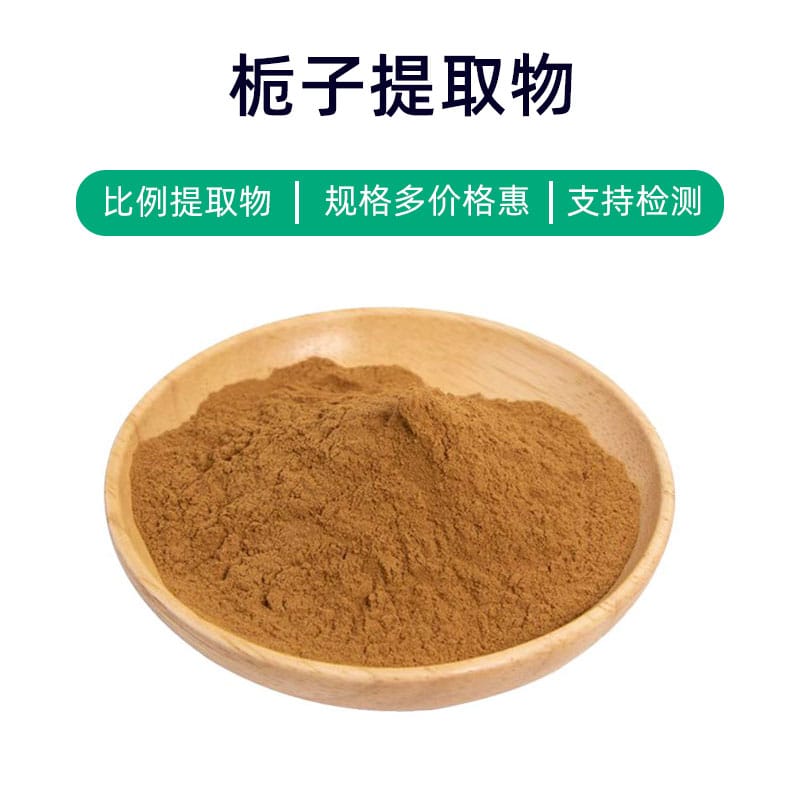



Gallnut Extract Product Introduction
Gallnut extract is a natural plant extract obtained from the fruits of the Gallnut tree. Its main components include rich tannins such as gallic acid and gallo-tannic acid, which provide various benefits. Firstly, gallnut extract has a powerful astringent and hemostatic effect, useful for treating external bleeding. Secondly, it has antibacterial and anti-inflammatory properties, aiding in the treatment of skin infections and inflammation. Additionally, gallnut extract can regulate sebum secretion, making it suitable for oily skin and improving issues like acne and pimples. In the fields of medicine, food, and cosmetics, gallnut extract is widely applied. Medicinally, it is often used in blood-stopping ointments and topical anti-inflammatory agents. In food processing, it serves as a natural food preservative. In cosmetics, it is commonly added to skincare and shampoo products to improve skin and hair conditions. Overall, gallnut extract is a versatile natural extract with multiple benefits used across various fields.
Production Process for Gallnut Extract
The production process of gallnut extract generally includes the following steps:
- Raw Material Preparation: First, mature gallnuts are collected, impurities are removed, and they are dried to an appropriate moisture content in preparation for further processing.
- Extraction: The dried gallnut powder is mixed with an appropriate extraction solvent (such as ethanol or water) and subjected to extraction. Heating or room temperature extraction methods are typically used to facilitate the dissolving of the compounds.
- Filtration: The extract solution is filtered to remove fruit residue and other impurities, resulting in a clear extract.
- Concentration: The filtered extract is evaporated or vacuum-concentrated to remove excess solvent, resulting in a concentrated liquid.
- Precipitation and Separation: A suitable precipitant is added to the concentrated liquid to promote precipitation, which is then separated from the solution through centrifugation or filtration.
- Drying: The precipitate obtained is dried to convert it into a powdered form for packaging and storage.
- Quality Inspection: Various indicators of the gallnut extract are tested, including active ingredient content and microbial standards, to ensure compliance with quality standards.
- Packaging: The gallnut extract that meets quality requirements is packaged in sealed containers to prevent moisture absorption and oxidation.
- Storage: The packaged gallnut extract should be stored in a cool, dry environment, avoiding direct sunlight and high temperatures to ensure stability and effectiveness.
The above describes the general production process for gallnut extract, and specific methods may vary depending on the manufacturer's technology and equipment conditions.
Efficacy and Side Effects of Gallnut Extract
Gallnut extract is a commonly used natural plant extract with a range of effects and applications, primarily in medicine, food, and cosmetics. Below are the main benefits and potential side effects of this product.
Main Benefits and Effects
- Astringent and Hemostatic: Rich in tannins, gallnut extract has astringent properties that can stop bleeding and is useful for treating external injuries.
- Antibacterial and Anti-inflammatory: Its active ingredients offer a certain degree of antibacterial and anti-inflammatory effects, suitable for treating skin infections and inflammations.
- Regulation of Sebum Secretion: The components of gallnut extract can regulate the secretion from sebaceous glands, making it effective for oily skin and helping improve acne and pimples.
- Antioxidant: Some studies suggest that compounds in gallnut extract have antioxidant properties that help eliminate free radicals and slow skin aging.
- Soothing and Calming: Gallnut extract can soothe the skin, alleviate itching, and calm sensitivities, beneficial for sensitive skin.
- Promoting Wound Healing: It promotes cell regeneration, aiding the healing process of wounds and reducing scar formation.
Possible Side Effects
Despite its various benefits, some side effects may occur during use, including:
- Skin Allergies: Some individuals may experience allergic reactions to specific components of gallnut extract, manifesting as rashes or itching.
- Skin Dryness: Prolonged use of gallnut extract may lead to excessive dryness, causing peeling and tightness.
- Irritation: High concentrations of gallnut extract, when applied externally, may cause local skin irritation or a burning sensation.
- Impact on Skin Barrier: Long-term or excessive use may affect the skin barrier, increasing sensitivity to external irritants.
- Interactions with Other Ingredients: Gallnut extract may interact with other cosmetic ingredients, leading to adverse reactions.
When using gallnut extract, a skin sensitivity test is recommended before full application. Avoid excessive use, and if any discomfort occurs, discontinue use immediately and consult a healthcare professional.
Application Scenarios and Dosage of Gallnut Extract
As a natural plant extract, gallnut extract has broad applications in medicine, food, and cosmetics. Here are its uses and dosage recommendations in different fields:
Applications in Medicine
- Topical Hemostatic Agents: Gallnut extract’s astringent properties make it suitable for creating topical hemostatic products, like blood-stopping ointments and sprays. Dosage: Apply an appropriate amount to the wound surface and change as needed.
- Topical Anti-inflammatory Agents: Its antibacterial and anti-inflammatory effects can be utilized in treating skin infections and inflammation, common in topical anti-inflammatory products. Dosage: Apply to the affected area 2-3 times daily for about a week.
- Oral Care Products: Gallnut extract has antibacterial properties and can be incorporated into oral care products, such as mouthwashes and toothpaste. Dosage: Use as directed, usually twice daily, rinsing for one minute after use.
Applications in Food
- Natural Food Preservative: Gallnut extract's antimicrobial properties make it suitable as a natural food preservative, extending shelf life. Dosage: Add to food according to the product formulation, typically not exceeding the recommended amount.
- Flavoring Agent: In certain specialty foods, gallnut extract can be used as a flavoring agent to impart unique textures and flavors.
Applications in Cosmetics
- Skincare Products: With sebum regulation and antioxidant effects, gallnut extract is often found in skincare products such as creams and serums. Dosage: Use as directed, usually twice daily, applied to clean skin.
- Shampoo and Hair Care Products: Its soothing properties are beneficial in shampoo and hair care products, helping improve scalp condition. Dosage: Use as directed, typically applied to wet hair during washing, massaged in, and thoroughly rinsed out.
In summary, gallnut extract has various application scenarios in medicine, food, and cosmetics, and the methods of use and dosage should be based on specific product instructions and medical advice.
Introduction to the Gallnut Tree: Source, Distribution, and Growth Environment
The source plant for gallnut extract is the gallnut tree, scientifically known as Rhus chinensis Mill., which belongs to the Anacardiaceae family.
Plant Introduction
The gallnut tree is a deciduous tree or shrub that can grow up to about 10 meters high, with a branched crown. Its bark is gray-brown or gray-black and may have cracks. The leaves are odd-pinnate compound leaves with paired leaflets that are oval or elliptical with serrated edges, featuring a smooth surface and soft hairs on the underside. The small, inconspicuous flowers are yellowish-green and cluster at the top of branched flower spikes, blooming in spring. The fruit is round or oval, turning dark red or black upon ripening, with a slightly protruding surface containing seeds.
Distribution
The gallnut tree is native to China and is mainly distributed in North China, Northeast China, Central China, South China, and Southwest China. Additionally, it is found in countries across Asia, including Japan, Korea, and Indonesia, as well as in Australia.
In China, gallnut trees are commonly found in various environments including hills, slopes, roadsides, riverbanks, grasslands, forest edges, sandy areas, wastelands, thickets, and farmland.
Growth Environment
Gallnut trees thrive in warm and humid climates and show strong adaptability to soil types, growing in sandy, loamy, and clayey soils. They are drought-resistant and tolerant of salt and alkalis, but not of waterlogging. Typically found at altitudes between 100 to 1800 meters, they prefer sunlight and have a robust adaptability to various conditions with no strict soil requirements.
The gallnut tree is a common wild plant, widely distributed across different regions of China, typically found in natural environments such as forest edges and hills. In suitable conditions, it grows rapidly and has a strong reproductive capacity, making it an important timber resource.
Processing and Storage of Gallnut Extract
The processing of gallnut extract typically includes steps like extraction, concentration, and drying to obtain its active components. During this process, appropriate methods and equipment should be used to ensure the quality and purity of the extract. For storage, gallnut extract should be kept in a dry, cool place, protected from direct sunlight and heat, and shielded from moisture to ensure stability and effectiveness. It is best stored in sealed containers to prevent oxidation and moisture from affecting product quality.

Monica Sun is a seasoned expert in the plant extraction industry with over a decade of experience in research and production. She specializes in the extraction and purification of plant active ingredients, focusing on driving innovation in natural product applications. Monica has participated in the development of multiple functional plant extracts, delivering high-value natural raw material solutions for the health food, pharmaceutical, and dietary supplement sectors.