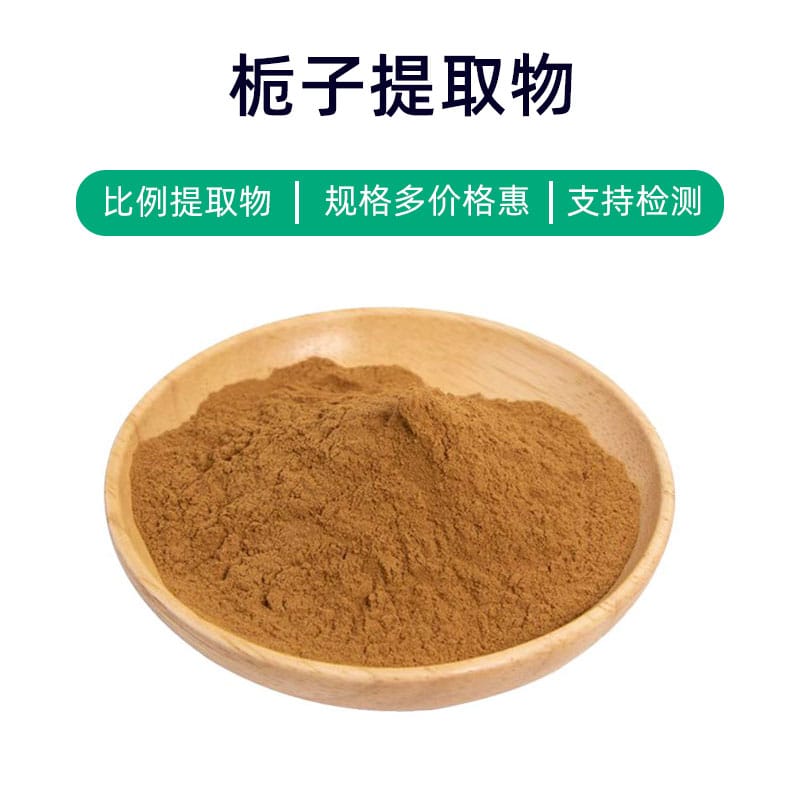



Introduction to Extract of Prunus tomentosa
The Extract of Prunus tomentosa is a natural plant extract derived from the Prunus tomentosa plant. Its primary ingredients include active substances such as polyphenols and flavonoids. This extract is extensively used in pharmaceuticals, dietary supplements, food, and cosmetics.
This extract offers various benefits and applications. First, due to its rich content of polyphenols and flavonoids, the extract exhibits significant antioxidant properties, helping to eliminate free radicals and slow the aging process. Its anti-inflammatory and antibacterial properties also provide a basis for its use in medicine, aiding in the treatment of some inflammatory diseases or as an adjunct therapy.
Additionally, Extract of Prunus tomentosa is often used in health supplements to boost immunity, regulate internal balance, and promote health. In the food industry, it can serve as a natural food additive to enhance nutritional value and flavor. In cosmetics, this extract is frequently added to skincare and haircare products, offering moisturization, anti-aging, and whitening effects.
Overall, the Extract of Prunus tomentosa, with its abundant active components and diverse benefits, holds significant potential for application in pharmaceuticals, health supplements, food, and cosmetics.
Production Process of Extract of Prunus tomentosa
The production process of the Extract of Prunus tomentosa typically includes the following steps:
- Collection: Select high-quality Prunus tomentosa plants, usually extracting from roots, leaves, or fruits. Collection should occur during the active growth phase of the plant to ensure the quality and content of active components.
- Washing: Clean the collected Prunus tomentosa materials to remove surface impurities and dirt, ensuring the purity of the extract.
- Chopping: The cleaned materials are chopped into appropriate-sized particles to enhance extraction efficiency.
- Solvent Extraction: Mix the chopped materials with a suitable solvent (such as ethanol or water) and perform either steeping or reflux extraction to extract the active components from the plant.
- Filtration: Filter the extract liquid through filter paper or a sieve to remove plant residue and solid particles.
- Concentration: Concentrate the filtered extract, usually through vacuum concentration or evaporation methods, to recover the solvent while concentrating the active components.
- Drying: Dry the concentrated liquid or semi-solid substance to remove any residual solvent, yielding powdered or solid Extract of Prunus tomentosa.
- Packaging: Finally, package the extract, commonly using sealed packaging to prevent moisture and contamination, preserving its stability and active component effectiveness.
Each step of the extraction process requires strict control of parameters and conditions to ensure the quality and stability of the extract.
Efficacy and Side Effects of Extract of Prunus tomentosa
The Extract of Prunus tomentosa is a natural plant extract with various benefits, primarily including:
- Antioxidant Properties: This extract is rich in polyphenols and flavonoids, exhibiting significant antioxidant effects that help eliminate free radicals and slow cellular oxidation and aging.
- Anti-Inflammatory and Antibacterial Effects: The extract possesses certain anti-inflammatory and antibacterial properties, effectively alleviating inflammatory responses and inhibiting the growth of bacteria and fungi, which helps in preventing and treating some inflammatory diseases.
- Immune Regulation: Extract of Prunus tomentosa can modulate immune system functions, enhancing the body's resistance and boosting immunity, thereby helping prevent infections.
- Cardiovascular Health Improvement: Research suggests that the extract has effects such as lowering blood pressure and lipids, and inhibiting platelet aggregation, contributing to better cardiovascular health and preventing cardiovascular diseases.
- Blood Sugar Regulation: Some studies indicate that the extract has a regulatory effect on blood sugar, potentially lowering blood glucose levels, which aids in controlling metabolic diseases such as diabetes.
- Antitumor Effect: Certain studies show that the extract has some antitumor activity, inhibiting the growth and spread of tumor cells, indicating potential use as an antitumor drug.
Despite its many benefits, caution is needed regarding possible side effects during use. Some individuals may experience allergic reactions, such as skin itching or swelling. Additionally, long-term or excessive use may cause discomforts like indigestion or headaches. Therefore, when using Extract of Prunus tomentosa, individuals should select an appropriate dosage based on their condition and monitor their physical response, seeking medical attention if any adverse effects occur.
In summary, Extract of Prunus tomentosa has various benefits and applications in the fields of pharmaceuticals, health supplements, food, and cosmetics, but caution is advised to avoid potential side effects.
Application Scenarios and Dosage of Extract of Prunus tomentosa
The Extract of Prunus tomentosa is a natural plant extract with various application scenarios, mainly in pharmaceuticals, food, and cosmetics. Below are its applications and recommended dosages in various fields:
- Pharmaceutical Applications:
- Uses: The extract is commonly used in the pharmaceutical field for preparing drugs, health supplements, and traditional Chinese medicine formulas, aimed at regulating immunity, lowering blood pressure, and reducing lipids.
- Dosage: Common methods include oral intake, topical application, or formulation into traditional injectable medicines. Typical oral dosage is 3-6 grams per time, 1-3 times a day; topical application may vary based on need, added to ointments as needed.
- Food Industry Applications:
- Uses: The extract is used as a food additive to enhance the nutritional value and functionality of food, such as antioxidant and preservative effects.
- Dosage: When used as a food additive, comply with relevant national regulations and standards, generally recommended at 0.1%-0.5% of the food composition.
- Cosmetic Applications:
- Uses: The extract is commonly included in skincare products and beauty items, known for its antioxidant, anti-aging, and skin-repairing properties.
- Dosage: Based on the formulation and intended usage of various products, the extract can be added to creams, lotions, and serums, typically between 0.1%-2%.
When using Extract of Prunus tomentosa, consider the following tips:
- Strictly control the dosage according to its specific purpose and standards to avoid overuse.
- Be mindful of individual differences; those with allergies to the extract should avoid related products.
- Purchase products from reputable sources and follow the dosage recommendations outlined in the product instructions.
Overall, Extract of Prunus tomentosa has broad application potential in pharmaceuticals, food, and cosmetics, but appropriate usage and attention to product quality and sourcing are essential.
Description of the Source Plant of Extract of Prunus tomentosa: Distribution and Growth Environment
Prunus tomentosa (scientific name: Elaeagnus multiflora Thunb.) is a common deciduous shrub belonging to the Elaeagnaceae family, known as a traditional Chinese medicinal herb and ornamental plant. Below are detailed descriptions regarding the source plant of the extract, its distribution, and growth environment:
- Plant Description:
- Prunus tomentosa is a perennial shrub that can grow 2-3 meters tall, with a full crown and slender branches. The leaves are oval, leathery, with silver-white scales on the underside, smooth on the upper surface, and bright green in color. The small, fragrant flowers are white or pale yellow, blooming in spring.
- The plant bears red or orange-colored berries that are juicy and have a sweet-sour taste when ripe, rich in nutrients. The fruit contains various beneficial components, including vitamin C, vitamin E, and carotene.
- Distribution:
- Prunus tomentosa is native to China, primarily distributed in East China, South China, and Southwest China, as well as in Korea and Japan. It is commonly found in hills, valleys, forest edges, riverbanks, and under canopies, showing a broad growth range.
- Growth Environment:
- This plant thrives in warm, moist climates and is not strict about soil conditions, showing strong adaptability. It is commonly found in sunny, well-drained soils, such as loose, fertile sandy loam or loam, and can tolerate a moderate degree of drought and cold.
- Growth Habits:
- Prunus tomentosa is a cold- and drought-resistant shrub with strong adaptability. While it does not require strong light conditions, it prefers a sunny environment. It has certain resilience to adverse conditions and can grow in poor soil.
- Reproduction Method:
- The plant can be propagated mainly through seed sowing and cutting methods. For seed propagation, mature fruits are planted, while cutting propagation involves using healthy young branches planted in suitable growth media, which can root and grow over time.
Overall, Prunus tomentosa is a highly adaptable and nutrient-rich shrub, primarily distributed in China and East Asia, preferring warm, moist, and sunny environments, with lenient soil requirements, making it an important traditional medicinal and ornamental plant.
Processing and Storage of Extract of Prunus tomentosa
The processing of Extract of Prunus tomentosa mainly includes the following steps: first, the harvested fruits are washed and impurities removed, then crushed or pulverized. Following that, a suitable solvent is used to extract the target components, which is then concentrated and filtered to yield the extract. Finally, the product is dried and ground to a finished form. For storage, the Extract of Prunus tomentosa should be kept in a cool, dry, ventilated environment, avoiding direct sunlight and moisture. It is advisable to use sealed containers to preserve against moisture and odors, maintaining the quality and stability of the extract.

Monica Sun is a seasoned expert in the plant extraction industry with over a decade of experience in research and production. She specializes in the extraction and purification of plant active ingredients, focusing on driving innovation in natural product applications. Monica has participated in the development of multiple functional plant extracts, delivering high-value natural raw material solutions for the health food, pharmaceutical, and dietary supplement sectors.