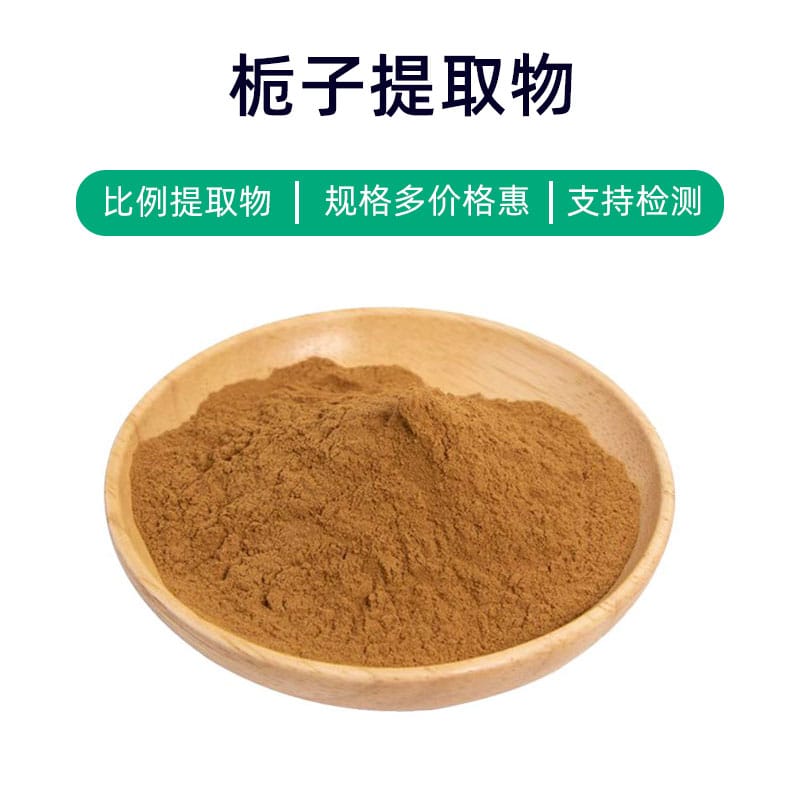
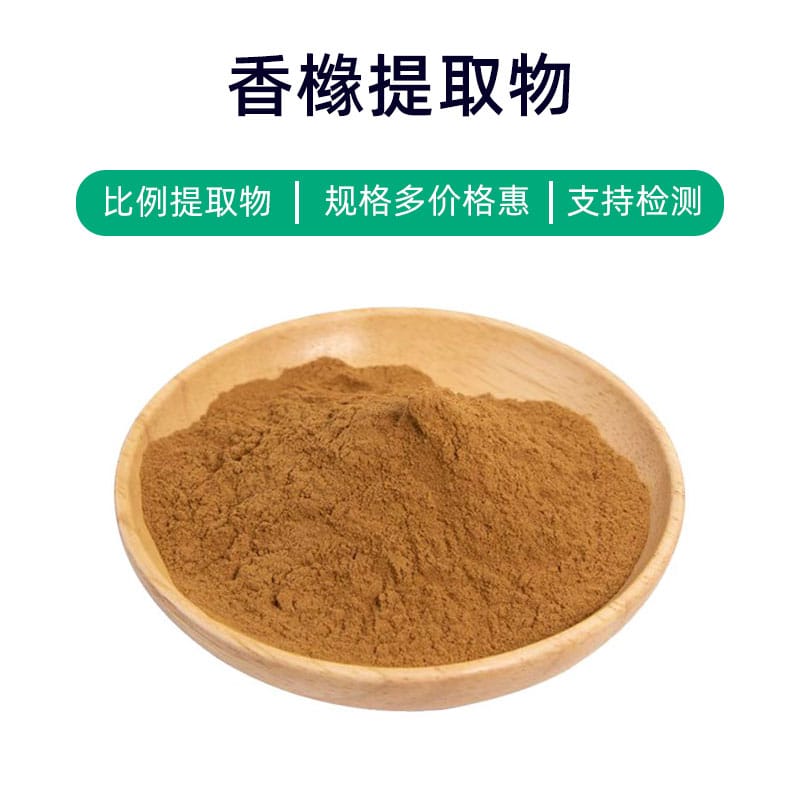



Citrus Extract Product Introduction
Citrus extract is a natural plant extract obtained from citrus fruits, containing active ingredients such as flavonoids, Vitamin C, and hesperidin. It is known for its rich antioxidant and anti-inflammatory properties, effectively protecting the skin from free radical damage, reducing fine lines and wrinkles, and promoting a more youthful and firm appearance.
In the cosmetics field, citrus extract is commonly used in various skincare products like creams, lotions, and serums. Its antioxidant properties help delay skin aging, fade dark spots, and improve uneven skin tone, making the skin brighter and smoother. Additionally, it has pore-refining and oil-controlling effects, making it suitable for those with oily or combination skin.
In the food sector, citrus extract is often used as a food additive to enhance flavor and aroma. It provides a refreshing citrus scent that enhances the taste and aroma of foods, frequently appearing in beverages, pastries, and sauces.
Overall, as a natural plant extract, citrus extract has various benefits and widespread applications, holding significant value in both the cosmetics and food industries.
Citrus Extract Production Process
The production process of citrus extract typically includes the following main steps:
- Raw Material Preparation: Select fresh citrus peels as raw materials, removing the pulp and washing thoroughly to ensure quality and purity.
- Preparation of Extract: Chop or grind the washed citrus peels into small pieces and mix with an appropriate solvent (usually water or ethanol) to form a paste.
- Extraction of the Paste: Conduct extraction using methods such as soaking extraction, ultrasonic extraction, or fluid extraction to obtain active components from the peels.
- Concentration and Refinement: Concentrate the extracted liquid using low-temperature concentration or vacuum concentration methods to remove solvents and water, resulting in concentrated citrus extract.
- Filtration and Purification: Filter and purify the concentrated extract to remove impurities and residues, enhancing the product’s purity and quality.
- Quality Testing and Analysis: Analyze the extract for quality, including active ingredient content, microbial indicators, heavy metals, and harmful substances, ensuring the product complies with relevant standards and regulations.
- Packaging: Package the approved citrus extract in suitable materials like glass bottles, plastic bottles, or aluminum foil bags to ensure safe storage and transport.
- Quality Control: Maintain strict quality controls and documentation throughout the production process to ensure product quality stability and traceability.
In summary, the production of citrus extract involves multiple steps, such as raw material preparation, extraction, concentration, purification, quality analysis, packaging, and quality control, each requiring careful management to ensure the final product’s quality and safety.
Citrus Extract Effects and Side Effects
Citrus extract is a natural plant extract derived from the peels of citrus fruits, offering multiple benefits, primarily including:
- Antioxidant Effects: Rich in Vitamin C and various bioactive substances, citrus extract has significant antioxidant properties that help eliminate free radicals and protect cells from oxidative damage, aiding in aging delay.
- Anti-inflammatory Effects: Some components in citrus extract have anti-inflammatory activity, which can inhibit inflammatory responses and alleviate symptoms of inflammatory diseases like arthritis and dermatitis.
- Antibacterial and Anti-inflammatory: Citrus extract can inhibit and eliminate a variety of bacteria, fungi, and viruses, making it suitable for preventing and treating oral diseases and skin infections.
- Digestive Improvement: Certain components in citrus extract stimulate digestive fluid secretion and enhance digestive function, helping relieve issues like indigestion and bloating.
- Weight Management: Citrus extract is considered effective in promoting fat metabolism and burning fat, assisting in body fat reduction and promoting overall health and weight control.
- Beauty and Skincare: Used in skincare and cosmetic products, citrus extract is beneficial for tightening pores, removing excess oil, and brightening skin tone, improving skin texture and appearance.
While citrus extract has many advantages, there are some precautions to consider during use:
- Allergic Reactions: Some individuals may be allergic to citrus fruits, and should be cautious of potential allergic reactions, such as skin redness or itching.
- Dosage Control: Follow the product instructions or a doctor’s guidance to control the dosage of citrus extract products to avoid adverse reactions or side effects from overuse.
- Drug Interactions: Certain components of citrus extract may interact with medications, affecting their efficacy or increasing side effects, so it's important to consult with a physician regarding usage.
Overall, citrus extract offers various effects and benefits, with extensive applications in medicine, health supplements, cosmetics, etc. However, attention should be given to individual differences and usage methods to avoid negative reactions.
Citrus Extract Applications and Dosage
Citrus extract has wide applications in medicine, food, and cosmetics. Here are its applications and usage in each field:
- Medical Applications:
- Oral Care: Due to its antibacterial and anti-inflammatory properties, citrus extract is commonly included in oral care products like mouthwash and toothpaste. Usage: After cleaning the mouth, rinse with a suitable amount of mouthwash or apply toothpaste for brushing, 2-3 times daily.
- Skin Care: Citrus extract helps in tightening pores and controlling oil secretion, making it effective for treating skin issues like acne. Usage: Apply skincare products containing citrus extract to cleaned skin, gently massaging until absorbed, 1-2 times daily.
- Digestive Health: Citrus extract can stimulate the secretion of digestive fluids, effective for easing indigestion and bloating. Usage: Consume products or supplements containing citrus extract before or after meals as directed.
- Food Applications:
- Food Additive: Citrus extract serves as a natural food additive, offering acidity, antioxidant, and preservative properties, commonly found in juices, beverages, and candies. Dosage: Add citrus extract according to food recipes and production needs.
- Seasoning: With its sour taste and aroma, citrus extract can enhance various dishes. Dosage: Add as needed to food based on the dish's type and personal taste preferences.
- Cosmetics Applications:
- Cleansing Products: Citrus extract can be used in cleansers and face washes, effective in removing oil and tightening pores. Usage: Apply an appropriate amount of cleansing product to hands, mix with water for lathering, and gently massage onto wet skin, then rinse off with water.
- Toner: Can be added to toners to refine pores and improve skin condition. Usage: Pour an appropriate amount onto a cotton pad and gently pat on cleaned skin until fully absorbed.
- Face Mask: Used in face mask products to clean pores and brighten skin tone. Usage: Apply the citrus extract mask to cleaned skin and leave it on for 15-20 minutes before removing, gently massaging until absorbed.
When using citrus extract products, it is essential to follow product instructions or medical advice, avoiding excessive use to prevent adverse reactions. Note that application scenarios and suggested dosages may vary and should be selected based on specific circumstances.
Description of the Citrus Plant Source, Distribution, and Growing Environment
Citrus extract is derived from the citron (scientific name: Citrus × limon), a common citrus fruit belonging to the Rutaceae family. Below is detailed information on the source plant, its distribution, and growing environment:
Description of the Source Plant:
Citron is an evergreen small tree with a rounded or broadly oval crown, growing up to 3-6 meters in height. Its trunk is upright, with gray to light gray bark that has vertical cracks, and the small branches bear thorns. The leaves are compound, with long petioles and leaflets that are oval or elongated with serrated edges. The flowers are white or pink and are intensely fragrant.
Distribution:
Citron is native to Indonesia's Sumatra Island and has since been introduced to China, India, Thailand, Vietnam, the United States, Brazil, and other regions. It is now widely distributed in tropical and subtropical areas. In China, citron is mainly found in Guangdong, Guangxi, Fujian, and Yunnan provinces.
Growing Environment:
Citron thrives in warm, humid climates and requires plenty of sunlight, with poor shade tolerance. The ideal growing temperature ranges from 15-30 degrees Celsius, and it struggles in cold or dry conditions. It prefers well-drained soil and tolerates both acidic and alkaline soils, but performs best in soil with a pH of 6.0-7.5. During its growth, citron needs sufficient water supply but cannot tolerate waterlogging and requires a well-drained environment.
In summary, citron is a common fruit tree in tropical and subtropical regions that thrives in warm, humid climates, with high light requirements and an ideal growth temperature of 15-30 degrees Celsius. Given suitable growing conditions, citron can flourish and yield abundant fruits.
Processing and Storage of Citrus Extract
The processing of citrus extract generally includes these steps: First, fresh citrus fruits are harvested, then the skin and seeds are removed, and the pulp is crushed or juiced. Next, target components are extracted through methods like soaking and extraction, followed by filtration, concentration, and drying to yield citrus extract. For storage, citrus extract should be kept in a cool, dry, ventilated area, away from direct sunlight and moisture, and sealed to prevent moisture and odors. Using opaque containers is recommended to avoid oxidation caused by light.

Monica Sun is a seasoned expert in the plant extraction industry with over a decade of experience in research and production. She specializes in the extraction and purification of plant active ingredients, focusing on driving innovation in natural product applications. Monica has participated in the development of multiple functional plant extracts, delivering high-value natural raw material solutions for the health food, pharmaceutical, and dietary supplement sectors.