


Chickpea Extract Product Introduction
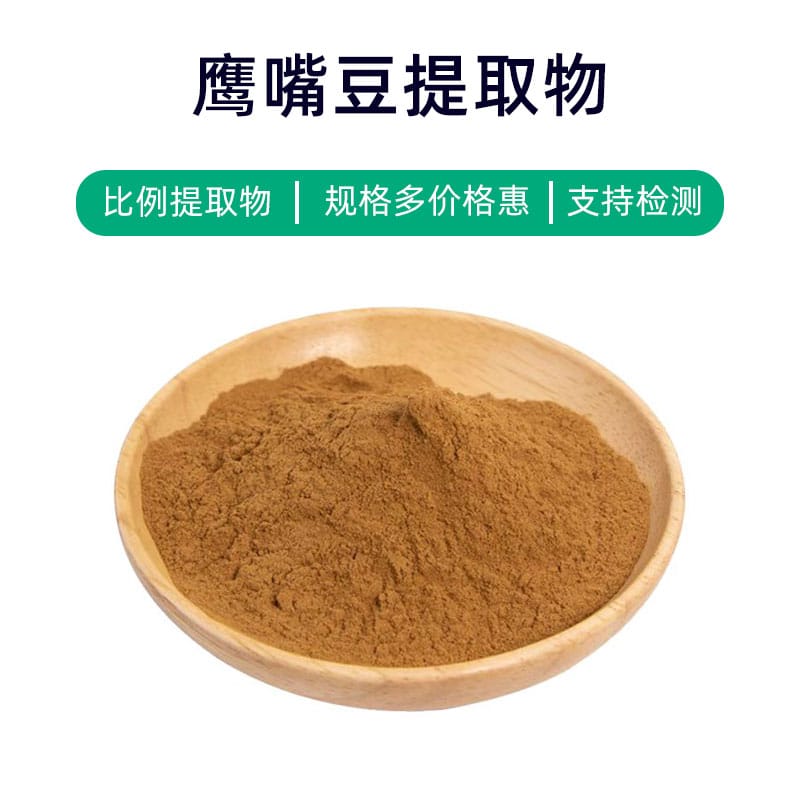
Chickpea extract is a natural plant extract derived from chickpea seeds, primarily containing nutrients such as protein, dietary fiber, and vitamins. These components give chickpea extract various benefits and applications.
Firstly, chickpea extract is rich in high-quality protein, making it an excellent dietary supplement. Protein is crucial for growth and tissue repair, which is why chickpea extract is widely used in health and nutritional products to help improve nutritional levels and immune function.
Secondly, chickpea extract is high in dietary fiber, promoting digestive health. Dietary fiber aids in intestinal motility, preventing constipation and intestinal diseases, thereby positively impacting gut health and normal digestive function.
Additionally, chickpea extract contains abundant vitamins and minerals, such as B vitamins, iron, and zinc, which help replenish nutrients and maintain metabolic balance.
Chickpea extract has a wide range of applications, primarily used in the food industry as a nutritional enhancer in products like bread, cookies, and protein powders; in health products for making protein powders and dietary fiber supplements; and in cosmetics such as masks and skin care products, providing nourishment and moisturizing properties.
In summary, chickpea extract, as a natural plant extract, boasts rich nutritional components and various benefits, widely used in food, health products, and cosmetics, effectively supporting health and beauty.
Chickpea Extract Production Process
The production process of chickpea extract typically includes the following main steps:
- Material Preparation: High-quality chickpea seeds are prepared as raw materials. These seeds undergo selection and cleaning to remove impurities and foreign matter, ensuring purity and quality.
- Crushing: The processed chickpea seeds are crushed, usually using mechanical grinding or milling methods, to obtain a particle size suitable for extraction.
- Solvent Extraction: The crushed chickpea seeds undergo solvent extraction. Common solvents include ethanol and water. Suitable extraction methods and conditions are used to extract nutritional and active components from the chickpeas.
- Filtration and Separation: The extracted solution is filtered and separated to remove suspended particles, residues, and impurities, resulting in a purified chickpea extract solution.
- Concentration and Evaporation: The filtered chickpea extract solution is concentrated, typically using methods like vacuum concentration or spray drying, to evaporate the moisture and obtain concentrated chickpea extract.
- Drying to Powder: The concentrated liquid is dried to convert it into a powdered chickpea extract product. Common drying methods include spray drying and vacuum drying to ensure the product is dry and stable.
- Quality Testing: The produced chickpea extract undergoes quality testing, including visual inspection, physicochemical index testing, and active ingredient content determination, to ensure the product meets relevant standards and regulations.
- Packaging and Storage: The qualified chickpea extract products are packaged and stored. Common packaging methods include foil bags and plastic containers, stored in a dry, cool, and dark environment to prevent exposure to sunlight and humidity, thereby extending shelf life.
In conclusion, the production process of chickpea extract involves preparation, crushing, solvent extraction, filtration, concentration, drying, quality testing, and packaging. Each step requires strict control of process parameters and quality requirements to ensure the final product's quality and stability.
Chickpea Extract Effects and Side Effects
Chickpea extract is a natural plant extract with various benefits, primarily including:
- Nutritional Supplement: Rich in high-quality protein, dietary fiber, and vitamins, chickpea extract positively contributes to nutrition and endurance.
- Promotes Digestive Health: The dietary fiber in chickpea extract aids in intestinal motility, preventing constipation and intestinal diseases, thus maintaining the normal function of the digestive system.
- Blood Sugar Control: Research indicates that some components in chickpea extract can lower blood sugar levels, helpful for diabetes management.
- Lowers Blood Lipids: Some studies suggest that components in chickpea extract can reduce blood lipid levels, aiding in the prevention of cardiovascular diseases.
- Antioxidant: Chickpea extract contains abundant antioxidants, which can neutralize free radicals, slow down cell aging, and protect cell health.
Despite its various benefits, potential side effects should be noted. Some individuals may be allergic to chickpeas, leading to reactions such as skin itching or breathing difficulties; therefore, caution is advised for people with a history of allergies. Additionally, prolonged or high-dose use of chickpea extract may cause digestive discomfort or gastrointestinal issues, suggesting it should be used under the guidance of a healthcare professional to avoid adverse effects.
Overall, chickpea extract, as a natural plant extract, provides various nutritional and health benefits, making it suitable for nutritional supplementation, promoting digestive health, blood sugar control, lowering blood lipids, and providing antioxidant support. However, individual responses may vary, and careful selection and attention to potential side effects are recommended.
Chickpea Extract Applications and Dosage
Chickpea extract finds extensive applications in medicine, food, and cosmetics, with varying methods of use and dosages.
- Medical Applications:
- In medicine, chickpea extract is primarily used in traditional Chinese medicine preparations, such as capsules and decoctions. Its main benefits include regulating blood sugar, lowering blood lipids, and promoting digestion, commonly serving as an adjunct treatment for diabetes and hyperlipidemia.
- Dosage: Generally, adults take 300-600 mg of chickpea extract capsules orally each time, 2-3 times a day, or as directed by a doctor.
- Food Applications:
- In the food sector, chickpea extract is often used as a food additive in products like bread, cookies, and soy milk. It enhances nutritional value, increases protein content, and can help increase satiety and regulate blood sugar.
- Dosage: Food additives are typically added according to national food safety standards, with specific amounts determined by product type and formulation.
- Cosmetic Applications:
- In cosmetics, chickpea extract is commonly found in skincare and hair care products, such as masks and shampoos. It moisturizes the skin, reduces wrinkles, and enhances hair elasticity and shine.
- Dosage: The amount used in cosmetics generally ranges from 0.1% to 2%, with specific dosages based on product type and efficacy. It is advisable to follow product formulations and instructions.
In summary, chickpea extract is widely used in medical formulations, food additives for nutritional enhancement, and skincare and hair care products. When using it, attention should be paid to dosage control and adherence to relevant standards to ensure safety and effectiveness. Consulting with healthcare professionals is recommended to achieve the best results.
Chickpea Extract Source Plant Information, Distribution, and Growth Environment
Chickpea (scientific name: Cicer arietinum) is a leguminous plant, also known as pigeon pea or garbanzo bean. It is an important food and leguminous crop, as well as a feed and medicinal plant. The following is a detailed description of the chickpea plant’s source, distribution, and growth environment:
- Chickpea Plant Description:
Chickpeas are annual or biennial herbaceous plants with upright stems, typically ranging from 30 to 60 centimeters high but sometimes reaching up to 1 meter. They have compound leaves consisting of three leaflets, which are oval or oblong in shape with serrated edges. The flowers are butterfly-shaped, usually purple or white, blooming from spring to summer. - Distribution:
Chickpeas are native to Southwestern Asia and North Africa and are a traditional crop in the Middle East and South Asia. They are now cultivated worldwide, including in Asia, Europe, Africa, Australia, and the Americas, demonstrating strong adaptability and wide growth range. - Growth Environment:
(1) Climate Conditions: Chickpeas are quite adaptable and thrive in warm, dry climates, though they are sensitive to cold and damp conditions.
(2) Soil Requirements: Chickpeas can grow in various soil types, but they prefer well-drained, neutral soils with a pH of 6.0-7.0.
(3) Light Conditions: As a light-loving plant, chickpeas require ample sunlight to promote growth and flowering.
In summary, chickpeas are an important food and leguminous crop with strong adaptability, growing well in various climatic and soil conditions. Native to Southwestern Asia and North Africa, they are now widely cultivated around the world, including Asia and Europe. They thrive best in warm, dry climates and well-drained soils with a neutral pH, benefiting harvests and growth cycles.
Chickpea Extract Processing and Storage
The processing of chickpea extract typically includes the following steps: first, the chickpea seeds are selected, cleaned, and ground; then, they undergo solvent extraction, filtration, and concentration, finally drying into a powder. During processing, strict control of temperature, pressure, and solvent concentration is required to ensure the quality and stability of the extract.
When storing, chickpea extract should be kept in a dry, cool place away from direct sunlight, moisture-proofly sealed to extend its shelf life. Additionally, care should be taken to avoid contact with toxic substances, and precautions for fire and explosion risks should be observed. Regular inspections of the product's appearance and quality are essential to ensure safety and effectiveness.

Monica Sun is a seasoned expert in the plant extraction industry with over a decade of experience in research and production. She specializes in the extraction and purification of plant active ingredients, focusing on driving innovation in natural product applications. Monica has participated in the development of multiple functional plant extracts, delivering high-value natural raw material solutions for the health food, pharmaceutical, and dietary supplement sectors.