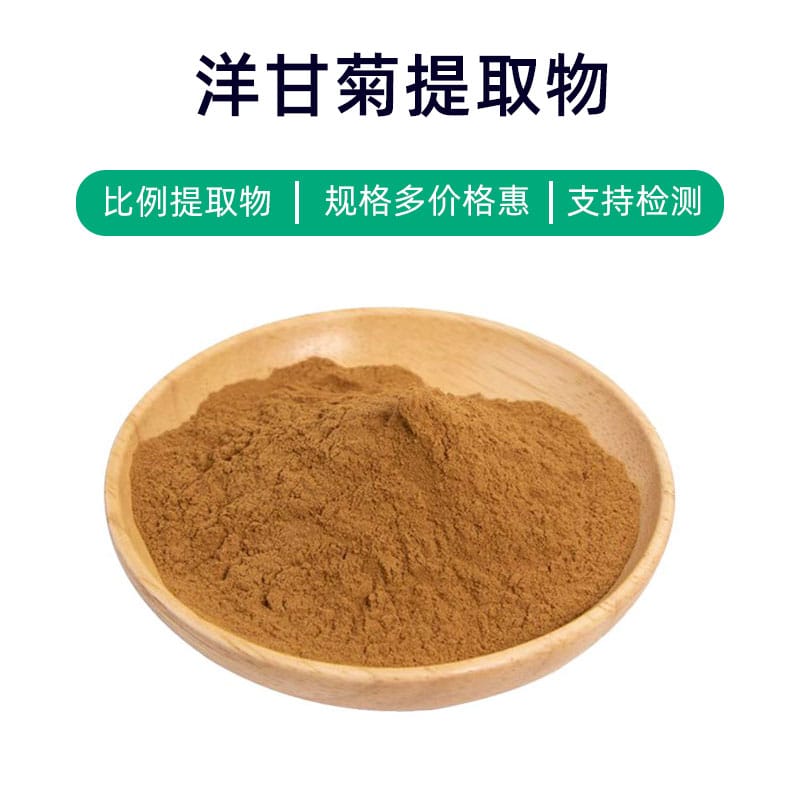



Introduction to Chamomile Extract
Chamomile extract is a natural herbal extract derived from the flowers of the Chamomile plant (Matricaria chamomilla), primarily containing volatile oils, flavonoids, and phenolic compounds.
This extract has various benefits and applications:
- Anti-inflammatory and Soothing: Rich in flavonoids, chamomile extract has significant anti-inflammatory properties, useful for calming sensitive skin and reducing inflammatory responses.
- Antioxidant: The volatile oils and phenolic compounds in chamomile extract provide antioxidant effects, helping to neutralize free radicals and delay skin aging.
- Soothing Sensitive Skin: Chamomile extract is widely used in skincare products to balance sensitive skin and alleviate redness and allergic reactions.
- Antibacterial and Anti-inflammatory: Some studies suggest that chamomile extract can inhibit certain bacteria and fungi, making it useful in developing antibacterial products and medications.
In cosmetics and skincare, chamomile extract is commonly used in creams, lotions, cleansers, and masks to soothe skin, combat aging, and balance sensitive skin. Additionally, it can be included in medications and health products for oral solutions, capsules, etc., offering anti-inflammatory, antibacterial, and digestive soothing effects.
Overall, chamomile extract is a versatile natural herbal extract suitable for various skin types and health needs, but it is recommended to conduct a skin sensitivity test before use and to follow the product's instructions for safe and effective use.
Chamomile Extract Production Process
The production process of chamomile extract includes the following main steps, designed to extract active ingredients from chamomile flowers while preserving their efficacy and quality:
- Raw Material Collection and Handling: Fresh, healthy chamomile flowers are selected as extraction materials, collected when fully open but not withered. After collection, the flowers undergo initial cleaning and impurity removal.
- Rough Extraction: The prepared chamomile flowers are placed in an extractor, typically using steam distillation for rough extraction, yielding an extract containing volatile oils and phenolic compounds.
- Solvent Evaporation and Concentration: The rough extract undergoes solvent evaporation and concentration to remove moisture and impurities, concentrating the active ingredients.
- Refining and Separation: The concentrated extract is refined and separated to remove residual solvents and impurities, resulting in purified chamomile extract.
- Drying and Milling: The purified extract is dried, usually by spray drying or vacuum drying, turning it into powder form, followed by milling to achieve the desired particle size.
- Packaging and Storage: Finally, the chamomile extract powder is sealed in packaging to avoid direct sunlight and moisture, stored in a cool, dry place, ensuring product stability and shelf life.
Throughout the production process, strict control of temperature, humidity, and time is maintained, adhering to good manufacturing practices and quality management standards to ensure the quality and stability of the chamomile extract's active ingredients. Necessary quality tests are conducted to ensure compliance with relevant standards and regulations.
Benefits and Side Effects of Chamomile Extract
Chamomile extract is a commonly used natural plant extract with various benefits and functions, primarily manifesting in the following areas:
- Anti-inflammatory and Soothing Effects: Rich in flavonoids and volatile oils, chamomile extract significantly alleviates skin inflammation, redness, itching, and irritation, making it suitable for sensitive and allergic skin care.
- Antioxidant and Anti-aging: The phenolic compounds in chamomile extract have strong antioxidant properties, neutralizing free radicals, slowing skin aging, and protecting skin from environmental damage, helping to maintain youthful and healthy skin.
- Balancing Sensitive Skin: Chamomile extract effectively soothes sensitive skin by relieving tightness and discomfort, balancing the skin's moisture and oil levels, and reducing allergies and discomfort.
- Soothing Sun Damage: For sun-damaged skin, chamomile extract can soothe and repair, alleviating redness, dryness, and burning sensations, promoting skin recovery.
- Antibacterial and Anti-inflammatory: Some studies indicate it has antibacterial and antifungal properties, useful for preparing antibacterial products to help treat minor skin infections and inflammation.
While chamomile extract is generally safe, attention should be paid to the following points during use:
- For extremely sensitive or allergic skin, a patch test is recommended before use to confirm no irritation occurs.
- Avoid contact with eye mucous membranes to prevent discomfort.
- Ensure product quality and source, purchasing through reputable channels to avoid inferior or adulterated products.
- If any allergic, irritating, or uncomfortable symptoms occur during use, cease use immediately and consult a healthcare provider.
In summary, chamomile extract is a safe and effective natural plant extract with multiple skincare benefits, suitable for various skin types and care needs, but attention should be given to selecting appropriate products based on individual skin conditions and ensuring correct usage.
Applications of Chamomile Extract and Dosages
Chamomile extract has widespread applications in pharmaceuticals, food, and cosmetics. Here’s a detailed overview of its applications, usage, and dosages in various fields.
In Pharmaceuticals:
- Skin Care Products: Chamomile extract is commonly used in various skin care products such as soothing creams, repair lotions, and anti-inflammatory gels for calming sensitive skin and reducing skin inflammation and redness.
- Usage: Apply an appropriate amount to clean skin and gently massage until absorbed. Can be used multiple times as needed.
- Dosage: Generally, use a suitable amount for each application on the face or body, avoiding excessive use.
- Post-Sun Repair Products: Chamomile extract can soothe and repair sun-damaged skin and is often found in after-sun lotions or repair sprays.
- Usage: After cleaning sun-damaged skin, evenly spray or apply to the affected areas and gently massage until absorbed.
- Dosage: Apply or spray evenly on sunburned skin areas as needed.
In Food:
- Herbal Tea: Chamomile extract can be used in herbal tea, offering cooling and digestive soothing effects.
- Usage: Add an appropriate amount of chamomile extract to boiling water, steep for a few minutes, then drink.
- Dosage: Generally, use about 1-2 grams of chamomile extract per preparation.
- Baked Goods and Candies: Chamomile extract can also flavor baked goods and candies, imparting a fresh aroma and taste.
- Usage: Add an appropriate amount of chamomile extract according to the recipe, thoroughly mix and stir.
- Dosage: Adjust the amount based on the type of food and taste preferences, ensuring not to overuse.
In Cosmetics:
- Cleansing Products: Chamomile extract can be incorporated into cleansing products, providing gentle cleaning and soothing benefits for sensitive skin.
- Usage: Take an appropriate amount of the cleansing product in your palm, add water to lather, massage onto the face, then rinse with water.
- Dosage: Typically, use a suitable amount for each application.
- Masks and Lotions: Chamomile extract is frequently included in masks and lotions, offering soothing, moisturizing, and anti-inflammatory benefits.
- Usage: Apply an appropriate amount of mask or lotion on clean skin, leave for a while, then rinse with water or lightly pat until absorbed.
- Dosage: Follow the product instructions to use an appropriate amount, avoiding excessive use.
When using products containing chamomile extract, it is advisable to choose the type and dosage of products according to the instructions and personal skin type, avoiding overuse that may lead to discomfort. For those with extremely sensitive skin, perform a patch test, confirming no irritation before use.
Description, Distribution, and Growth Environment of Chamomile Source Plant
Chamomile (scientific name: Matricaria chamomilla) is a common herbaceous plant belonging to the Asteraceae family. It is an annual herb with significant medicinal and culinary value, widely distributed and cultivated globally.
Description of the Source Plant:
The chamomile plant has an upright stem, approximately 20-60 centimeters in height, with small hair-like structures on the stem and leaves. Its leaves are finely divided and linear, emitting a fragrant aroma. Chamomile flowers appear as small, white or light yellow flower heads with tongue-like petals and a central yellow disc. Its fruit is an achene containing seeds.
Distribution and Growth Environment:
- Distribution: Chamomile is native to Europe and North Africa but is now widely distributed across the globe, including Europe, North America, South America, Asia, and Australia. It is a highly adaptable plant that thrives in diverse climate conditions.
- Growth Environment: Chamomile prefers to grow in sunny, loose, well-drained environments. It does not have strict soil requirements and can thrive in ordinary loam, sandy soil, or calcareous soil. Chamomile is highly adaptable and can withstand drought and certain levels of cold.
- Cultivation: Due to its extensive uses, chamomile is artificially cultivated in many areas. Its cultivation is straightforward, normally done via seeding, requiring moderate fertilization and appropriate irrigation. Chamomile typically blooms from spring to summer, with a long flowering period.
- Wild Growth: Besides cultivated varieties, chamomile is also commonly found in the wild, growing in places like grasslands, fields, hillsides, and roadways.
As an herbaceous plant, chamomile not only holds significant value in medicine and health but is also widely used in food and beverages, cosmetics, and skincare products. Its broad distribution and adaptability make chamomile an important resource that people value and utilize.
Processing and Storage of Chamomile Extract
The processing of chamomile extract usually involves the following steps: Firstly, collecting and pre-treating the chamomile flowers, followed by rough extraction, solvent evaporation and concentration, refining and separation, drying, and milling, and finally packaging and storage. During processing, it is essential to maintain cleanliness, control temperature and humidity strictly, and avoid direct sunlight to ensure product quality and stability.
For storing chamomile extract, the following measures are recommended:
- Store in a dry, cool environment, away from direct sunlight and moisture.
- Use sealed containers or packaging materials to prevent air and moisture contact.
- Avoid exposure to strong light, high temperatures, or chemicals to prevent degradation of its active components and quality.
- Regularly check the product appearance and smell to ensure there are no off-odors or abnormalities; discard if there are signs of spoilage.
- Organize usage based on storage life and production batches, following a first-in, first-out principle.
Through proper processing techniques and storage measures, the quality and stability of chamomile extract can be ensured, extending its shelf life and ensuring optimal efficacy and performance during use.

Monica Sun is a seasoned expert in the plant extraction industry with over a decade of experience in research and production. She specializes in the extraction and purification of plant active ingredients, focusing on driving innovation in natural product applications. Monica has participated in the development of multiple functional plant extracts, delivering high-value natural raw material solutions for the health food, pharmaceutical, and dietary supplement sectors.