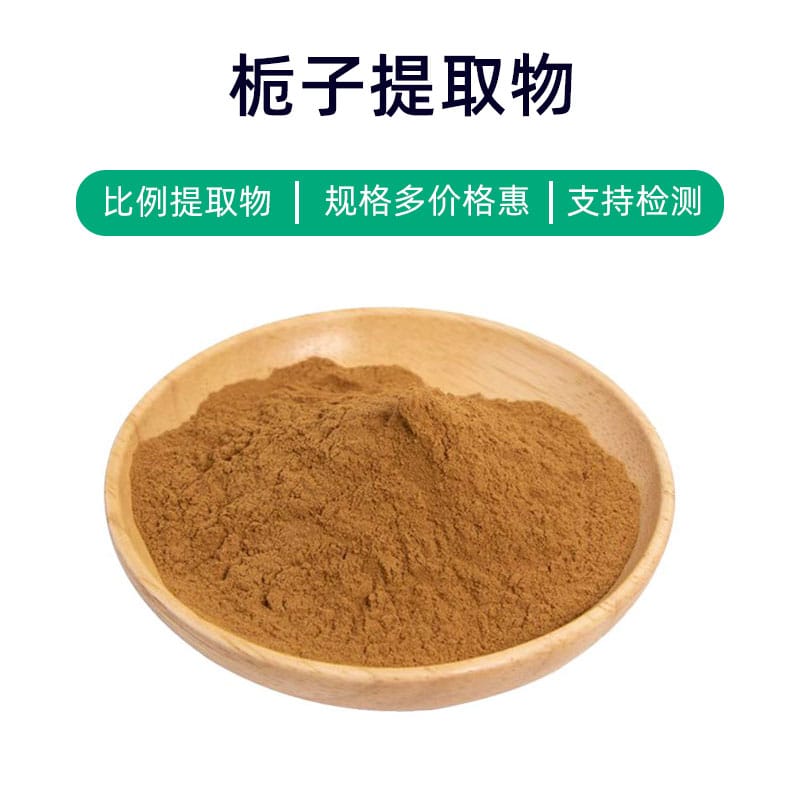
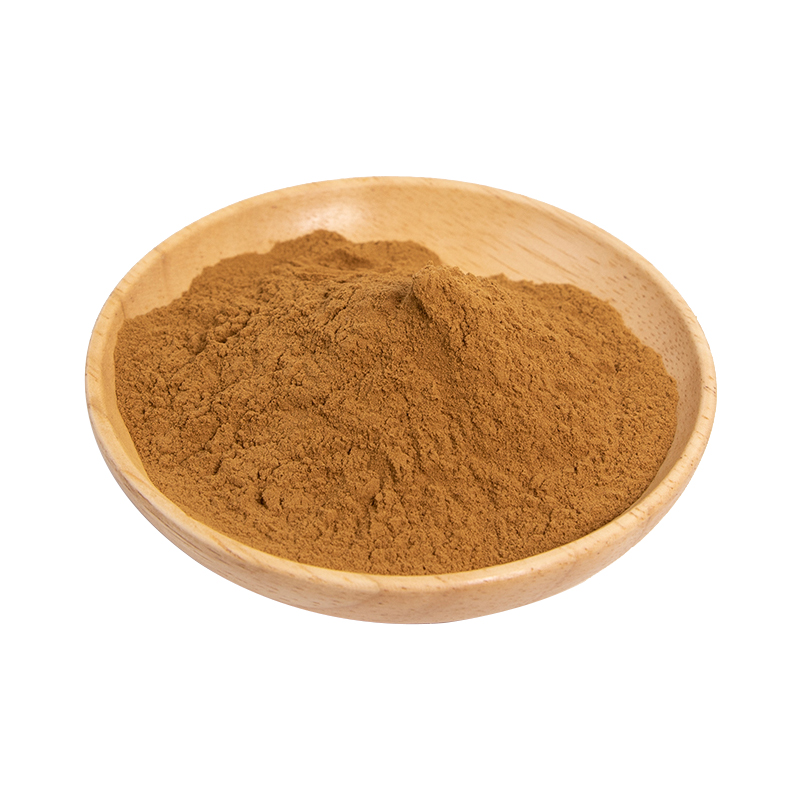



Coriander Extract Product Introduction
Coriander extract is a natural plant extract obtained from the fruits or seeds of coriander (Coriandrum sativum). Its main components include volatile oils, polyphenolic compounds, vitamins, and minerals. Coriander extract boasts various benefits, particularly from its volatile oil components, which have antibacterial, antioxidant, and anti-inflammatory properties. These can help improve skin conditions, reduce inflammation, and inhibit bacterial growth. Additionally, coriander extract is rich in vitamins and minerals, contributing to skin nourishment and health.
In terms of applications, coriander extract is often included in cosmetics and skincare products, where it can be added to creams, lotions, and masks for moisturizing, antioxidant, and soothing effects. Due to its natural antibacterial and anti-inflammatory properties, coriander extract is also widely used to treat skin issues such as acne and eczema. In the food industry, it serves as a flavoring agent, enhancing the unique aroma and taste of foods and is also used in health products to provide nutritional and health benefits.
In summary, coriander extract, as a natural plant extract, offers various benefits like antibacterial, antioxidant, and anti-inflammatory properties. It can be extensively applied in cosmetics, skincare products, and food, adding flavor, nutrition, and health functions, positively impacting skin health and overall well-being.
Coriander Extract Production Process
The production process of coriander extract typically includes the following steps:
- Raw Material Preparation: Select fresh coriander fruits or seeds as extraction materials to ensure quality and retain nutritional components.
- Washing and Pre-treatment: Clean the collected coriander fruits or seeds to remove impurities and surface dirt, followed by appropriate pre-treatment like air drying or oven drying to enhance extraction efficiency.
- Extraction Process: Use suitable extraction methods, such as steam distillation, supercritical fluid extraction, or solvent extraction, to obtain effective components from coriander. Steam distillation is a common method as it preserves the volatile components.
- Concentration and Separation: Concentrate the extracted coriander solution to remove excess moisture, resulting in a concentrated extract. Follow with separation steps such as precipitation, filtration, or centrifugation to isolate target components and remove impurities.
- Refining and Purification: Further refine and purify the extract through processes like recrystallization, distillation, or column chromatography to enhance product purity and quality.
- Drying and Grinding: Dry the purified coriander extract to remove residual moisture and grind the dried product to obtain a powdered extract.
- Packaging and Storage: Package the extract in suitable containers, typically using sealed packaging to prevent moisture and oxygen ingress. Store in a dry, cool environment to ensure product stability and shelf life.
By following these production steps, high-quality and highly pure coriander extract can be obtained for use in cosmetics, pharmaceuticals, and food industries.
Coriander Extract Effects and Side Effects
Coriander extract, as a natural plant extract, has various effects and benefits in the fields of medicine, health products, and cosmetics, mainly including the following aspects:
- Antioxidant Properties: Rich in various antioxidants like vitamin C, β-carotene, and flavonoids, coriander extract removes free radicals, slows cell aging, and protects skin from oxidative stress damage.
- Anti-inflammatory Effects: Contains various anti-inflammatory compounds, such as coriander oil, flavonoids, and volatile oils, which can inhibit inflammatory responses and reduce skin inflammation and allergic reactions, providing certain pain-relieving and swelling-reducing effects.
- Antimicrobial Activity: Inhibits a wide range of bacteria and fungi, useful in preventing and treating skin infections and inflammation, reducing skin diseases and acne issues.
- Moisturizing and Hydrating: The polysaccharides and protein components in coriander extract have excellent moisturizing properties, increasing skin moisture content and improving dryness and roughness for softer and smoother skin.
- Skin Lightening and Spot Reduction: Components such as vitamin C and flavonoids help inhibit melanin formation, reducing pigmentation, achieving skin lightening and spot reduction, and improving uneven skin tone and blemish issues.
- Anti-aging: Various active components in coriander extract provide antioxidant and anti-inflammatory effects, helping to prevent and delay skin aging, reduce wrinkles and sagging, and maintain youthful and firm skin.
- Soothing Sensitive Skin: Certain components have soothing and anti-allergic properties, helping to alleviate discomfort in sensitive skin and relieve redness, itching, and irritation.
While coriander extract is generally safe, individual allergic reactions may occur in some people. It is advisable to conduct a sensitivity test on the skin prior to use and follow the recommended dosages and methods from the manufacturer to avoid adverse reactions.
Coriander Extract Application Scenarios and Dosage
Coriander extract, as a natural plant extract, has wide-ranging applications and plays an important role in medicine, food, and cosmetics.
- Medical Applications:
- Used in pharmaceutical formulations for skin inflammation, allergies, and infections. Its anti-inflammatory, antibacterial, and soothing properties make it an effective ingredient in treating skin issues.
- In traditional Chinese medicine, it is commonly used in formulations for clearing heat and detoxifying, promoting blood circulation, reducing swelling and pain.
- Food Applications:
- Often added to foods as a flavoring agent and preservative. Its unique aroma and taste make it a popular food additive.
- In food processing, coriander extract can enhance the flavor and aroma in sauces, soups, and other dishes.
- Cosmetic Applications:
- Commonly used in cosmetics for its moisturizing, antioxidant, anti-inflammatory, and skin-lightening effects, suitable for various skin types.
- In skincare products, it can be included in creams, lotions, serums, and masks for moisturizing, soothing, and reparative benefits.
- In makeup products, it can be incorporated into lipsticks, foundations, and eyeshadows, providing tone adjustment and brightness-enhancing effects.
Dosage Guidelines:
- Medical Field: Typically used as an active ingredient in pharmaceutical formulations, specific dosages will depend on formulation requirements, and it’s recommended to adhere to a doctor or pharmacist’s guidance.
- Food Industry: As a food additive, the dosage is generally minimal, normally added according to food processing requirements, usually not exceeding 0.1% of the total formula.
- Cosmetic Field: As a cosmetic ingredient, the dosage is typically small within product formulations and can be adjusted based on product type and desired effects. It's advisable to follow the product instructions or manufacturer recommendations.
Coriander Extract Source Plant Introduction, Distribution, and Growth Environment
Coriander (scientific name: Coriandrum sativum) is an ancient and commonly found aromatic plant, also known as cilantro, coriander leaves, etc., belonging to the Apiaceae family. Here’s a detailed overview of the plant source of coriander extract, its distribution, and growth environment.
- Plant Characteristics:
- Coriander is an annual herb with deep green, finely divided leaves and fragrant small white flowers, typically flowering in spring to summer.
- The stem is slender, generally ranging from 30 to 60 cm in height, with feathery, divided leaves exuding a distinctive aroma.
- Distribution Range:
- Originally native to the Mediterranean region, including Southern Europe, North Africa, and Western Asia, it is an ancient cultivated plant.
- Today, coriander is widely cultivated around the world, particularly in Asia, Europe, the Americas, and Africa.
- Growth Environment:
- Coriander has relatively low growth requirements, thriving in sunny, well-drained, fertile soils.
- It prefers moderate temperatures, ideally between 15°C to 25°C.
- It adapts well to both dry and moist conditions, but optimal growth conditions are in mild climates, with moist but not overly wet soil.
- Cultivation Methods:
- Coriander cultivation is relatively straightforward, usually carried out by seeding. Under suitable climatic conditions, sowing can occur in spring or fall.
- After sowing, soil moisture should be maintained without becoming overly wet to prevent pest and disease issues.
- During growth, applying appropriate organic fertilizers can promote coriander's growth and development.
In summary, coriander extract is derived from a highly adaptable plant capable of thriving in various climates and soil conditions, with the best growth conditions being sunny, moderate temperature, and well-drained areas. The production of coriander extract typically involves cultivating coriander plants and extracting aromatic components from them.
Coriander Extract Processing and Storage
The processing of coriander extract typically involves the following steps: firstly, the fresh coriander plants are harvested; then, they are cleaned and impurities are removed, followed by grinding or extraction. The resulting liquid is usually refined through steps like concentration and filtration to yield the final coriander extract. To ensure its quality and longevity, coriander extract should be stored in a cool, dry, and light-protected environment. It should also avoid contact with oxygen, moisture, and high temperatures; using sealed containers is recommended to extend its shelf life.

Monica Sun is a seasoned expert in the plant extraction industry with over a decade of experience in research and production. She specializes in the extraction and purification of plant active ingredients, focusing on driving innovation in natural product applications. Monica has participated in the development of multiple functional plant extracts, delivering high-value natural raw material solutions for the health food, pharmaceutical, and dietary supplement sectors.