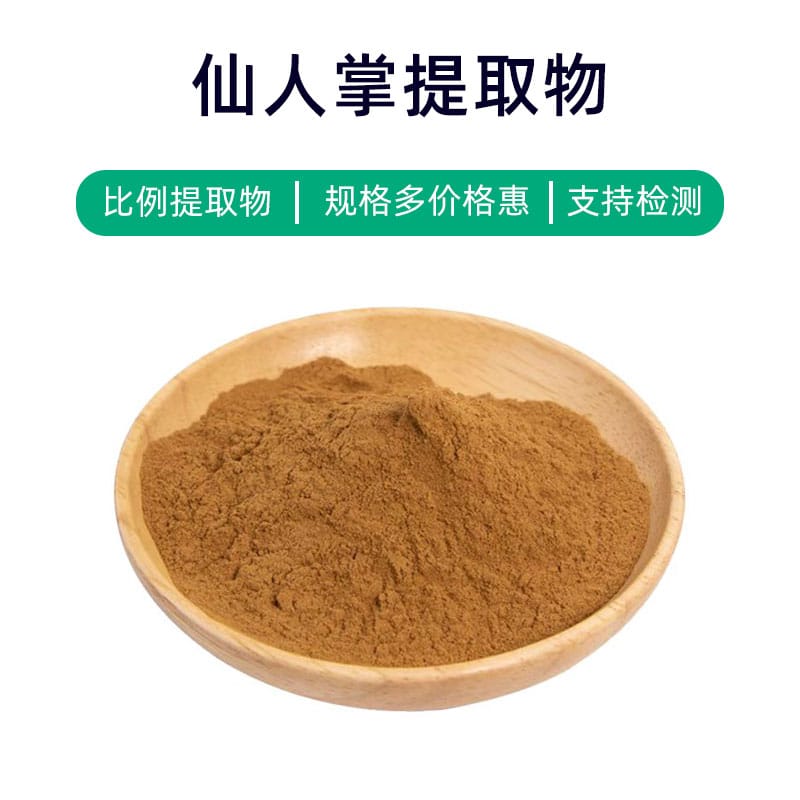



Cactus Extract Product Introduction
Cactus extract is a natural plant extract obtained from the flowers, fruits, or leaves of the Opuntia ficus-indica cactus. Its main components include various flavonoids, polysaccharides, vitamin C, carotenoids, and other active ingredients, which provide multiple benefits.
Firstly, cactus extract has excellent moisturizing properties, deeply hydrating the skin and enhancing its moisture retention, keeping it soft and supple. Secondly, its high content of antioxidant components like vitamin C and carotenoids effectively combats free radical damage, slows down the skin aging process, reduces the appearance of wrinkles and fine lines, and helps maintain youthful, smooth skin. Additionally, cactus extract has soothing and skin-repairing properties, which can alleviate sensitivity and discomfort, promoting skin healing and recovery.
In the cosmetics field, cactus extract is commonly used in various skincare products, masks, lotions, and creams to address issues like dryness, dehydration, and aging, providing comprehensive care and maintenance. Moreover, due to its excellent moisturizing and soothing effects, it is widely incorporated into daily skincare products, suitable for various skin types, including dry, oily, and sensitive skin.
In summary, cactus extract, as a natural plant extract, possesses outstanding moisturizing, antioxidant, soothing, and skin-repairing benefits, showing promising applications in cosmetics.
Cactus Extract Production Process
The production process of cactus extract generally includes the following steps:
- Raw Material Collection and Preparation: Fresh cactus flowers, fruits, or leaves are selected as raw materials. These materials must be rigorously screened and cleaned to remove impurities and undesirable parts to ensure the quality of the extract.
- Extraction Process: Prepared cactus materials are crushed or cut and placed into extraction equipment, typically using water, ethanol, or other solvents for extraction. During extraction, parameters like temperature, time, and solvent concentration must be controlled to maintain the integrity and stability of the active components.
- Filtration and Concentration: The extract is filtered to remove solid residues, followed by concentration processes that remove solvents from the solution, yielding a concentrated extract.
- Refining and Purification: The extract undergoes further refinement and purification, usually employing gel filtration, chromatography, and other techniques to eliminate impurities and unwanted components, enhancing the product's purity and activity.
- Drying: The refined extract is dried, commonly using spray drying or vacuum drying methods, to convert it into powdered cactus extract.
- Packaging and Storage: Finally, the dried cactus extract is packaged, usually in sealed aluminum foil bags or plastic containers, to prevent damage from oxygen, moisture, and light. The extract should be stored in a cool, dry, light-protected environment, avoiding high temperatures and humidity to maintain its stability and activity.
Through these production steps, high-quality, stable cactus extract can be produced for use in various pharmaceutical, health supplement, and cosmetic fields.
Cactus Extract Benefits and Side Effects
Cactus extract, a plant-derived product, offers various benefits, including:
- Anti-inflammatory Effects: Rich in natural bioactive substances, cactus extract has significant anti-inflammatory properties, useful for alleviating skin inflammation and redness.
- Antioxidant Activity: The polyphenolic compounds in cactus extract exhibit strong antioxidant activity, capable of scavenging free radicals, delaying aging, and protecting cells from oxidative stress.
- Moisturization: Cactus extract contains abundant natural moisturizing factors that deeply hydrate the skin, enhance its barrier function, and reduce moisture loss, keeping the skin soft and smooth.
- Antibacterial and Anti-inflammatory: Cactus extract has notable antibacterial and anti-inflammatory properties, aiding in the treatment of mild skin infections and inflammation, and promoting wound healing.
- Soothing and Repairing: Some active components of cactus extract help soothe and repair damaged skin, making it beneficial for treating sunburn, wounds, and allergic reactions.
- Inhibition of Melanin Production: Some studies show that certain ingredients in cactus extract can inhibit melanin production, reducing pigmentation and lightening dark spots.
- Regulating Sebum Secretion: Certain components in cactus extract can regulate sebum gland secretion, improving oily skin issues and providing a fresh, non-greasy feel.
While cactus extract offers numerous benefits, it’s important to keep the following in mind:
- Allergic Reactions: Some individuals may experience allergic reactions to certain components in cactus extract; a patch test should be conducted before use.
- Frequency of Use: For sensitive skin or specific skin issues, it’s recommended to use under the guidance of a doctor or professional and to control the frequency and dosage.
- Avoid Contact with Eyes and Mucous Membranes: Care should be taken to avoid contact with eyes and mucous membranes during application to prevent discomfort or irritation.
Overall, cactus extract has a wide range of applications in cosmetics and skincare, but attention should be paid to individual skin types and usage methods to avoid adverse reactions.
Cactus Extract Application Scenarios and Dosage
Cactus extract is widely used in medicine, food, and cosmetics. Below are specific applications and dosage recommendations in these fields:
Medical Applications:
- Treatment of Skin Inflammation: With its anti-inflammatory and soothing properties, cactus extract can treat mild skin inflammation like eczema and dermatitis. Application method: Apply an appropriate amount of cactus extract to the affected area, gently massage until absorbed, 2-3 times daily.
- Wound Healing: Cactus extract promotes wound healing, suitable for treating minor injuries and sunburn. Usage: Apply to the injured area 1-2 times daily until healed.
- Antibacterial Disinfection: Due to its antibacterial properties, cactus extract can be used for disinfecting and cleaning wounds to prevent infections. Application method: Rinse the area with diluted cactus extract or apply as a dressing several times daily.
Food Applications:
- Food Additive: Cactus extract can serve as a food additive to enhance taste and nutrition, generally used at 0.1%-0.5% of the food weight, depending on the food type and formulation.
- Functional Foods: With its antioxidant, anti-inflammatory, and blood sugar-regulating properties, cactus extract can be included in functional foods, such as beverages and jelly. Dosage should be determined based on the product formulation.
Cosmetic Applications:
- Skincare Products: Cactus extract is often used in skincare items like creams, lotions, and masks, offering moisturizing, soothing, and anti-inflammatory benefits. The dosage typically ranges from 1%-5% of the total product formulation.
- Sunscreen Products: Cactus extract’s UV-blocking and antioxidant properties make it suitable for sunscreen creams and sprays, protecting the skin from UV damage. Usually used at 3%-10% of the total product formulation.
- Makeup Products: Cactus extract can also be included in makeup products like foundations and lipsticks to provide moisturizing and soothing effects. The quantity varies depending on the specific product.
In summary, cactus extract finds extensive applications in medicine, food, and cosmetics. Proper dosage and methods should be chosen based on specific circumstances, with attention to product quality and sourcing.
Cactus Extract Source Plant Introduction, Distribution, and Growing Environment
The primary source plant for cactus extract is from the cactus family, belonging to the subfamily Cactoideae. Here’s an overview of the source plants, distribution, and growing environment:
1. Cactus Family Overview:
The cactus family (Cactaceae) includes a diverse range of succulent plants, characteristically possessing fleshy stems and spines. Most cactus plants thrive in hot, arid regions, adapting to dry climates and serving as key vegetation in desert areas.
2. Distribution Range:
Cactus plants are widely distributed across arid regions in North America, Central America, and South America, with a few species found in dry areas of Africa, Europe, and Australia. They primarily grow in environments such as deserts, grasslands, and rocky mountains.
3. Main Species:
- Genus Opuntia: One of the most common cacti, found throughout the Americas, including prickly pear and others.
- Genus Echinocactus: Features cacti with a globular shape, like the golden barrel cactus.
- Genus Cereus: Comprising large cacti such as the torch cactus.
4. Growing Environment:
- Climate Conditions: Cactus plants thrive in dry climates, typically surviving in hot deserts, plains, and rocky areas.
- Soil Environment: They prefer well-draining, rocky, or sandy soils that do not retain water, helping to prevent root rot.
- Sunlight Exposure: Cactus plants have high sunlight requirements, usually needing ample sunlight for optimal growth; hence, they often grow in well-lit areas.
5. Growth Characteristics:
- Drought Resistance: Cactus plants are adapted to dry environments, surviving long periods of drought by storing water in their fleshy stems.
- Fleshy Structure: Most cactus plants have fleshy stems and leaves that store moisture, aiding survival in arid conditions.
- Spiny Structures: Cactus plants typically feature various spines, serving to protect against predators while also reducing moisture evaporation.
In conclusion, the source plant for cactus extract primarily belongs to the cactus family, distributed across global arid regions, favoring bright, well-drained environments such as deserts, grasslands, and rocky mountains. They are characterized by their fleshy structure, drought resistance, and spiny features, adapting well to dry climate conditions.
Cactus Extract Processing and Storage
Processing of cactus extract typically involves the following steps: First, the collected cactus is cut into small pieces and then ground or soaked to extract active components. Next, through filtration and concentration, the extract is purified and impurities removed. Finally, suitable methods are applied for drying or freezing the extract to ensure stability and shelf life. During storage, it should be kept in a cool, dry place away from direct sunlight and high temperatures to maintain its quality and active ingredients. The extract should be stored in a sealed container to prevent moisture and oxidation.

Monica Sun is a seasoned expert in the plant extraction industry with over a decade of experience in research and production. She specializes in the extraction and purification of plant active ingredients, focusing on driving innovation in natural product applications. Monica has participated in the development of multiple functional plant extracts, delivering high-value natural raw material solutions for the health food, pharmaceutical, and dietary supplement sectors.