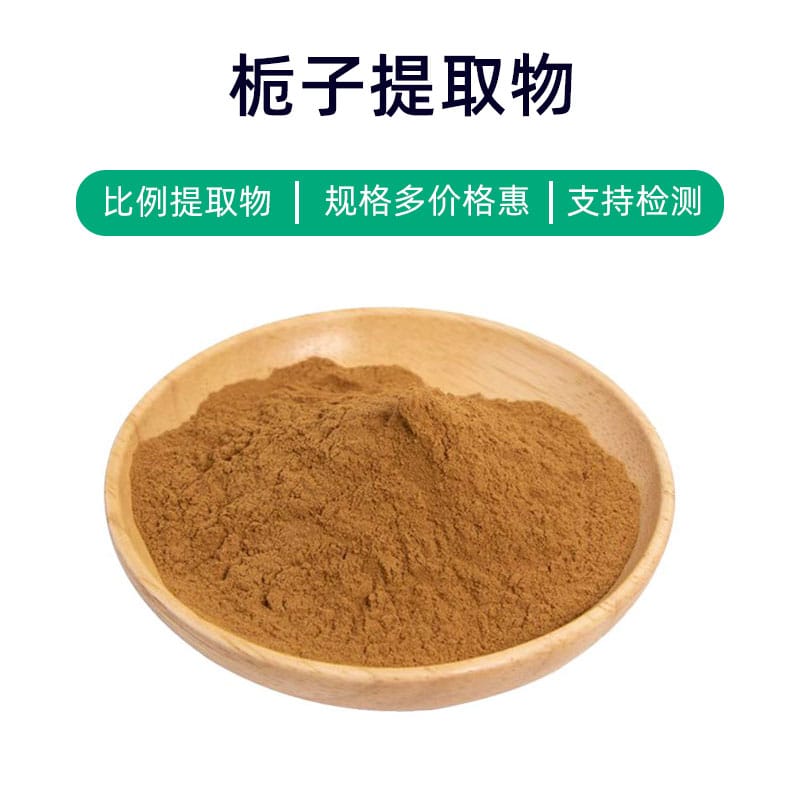
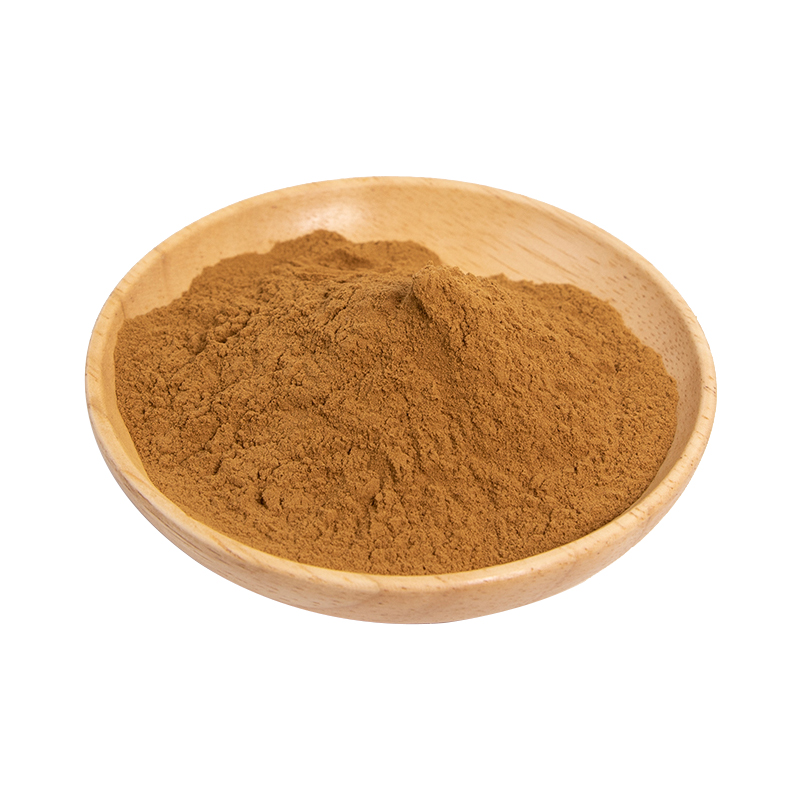



Blood Charcoal Extract Product Introduction
Blood charcoal extract is derived from specially prepared anthrax fungus, primarily consisting of bioactive compounds like polyphenols, polysaccharides, and proteins. This extract has various effects, including:
- Antioxidant: The polyphenolic compounds in blood charcoal extract possess strong antioxidant properties, which can neutralize free radicals in the body, lessen oxidative damage to cells, and help maintain overall health.
- Anti-inflammatory: The extract contains various anti-inflammatory components that can inhibit inflammatory responses, alleviate symptoms related to inflammatory diseases, and serve as an adjunct treatment.
- Antibacterial: Blood charcoal extract exhibits good antibacterial activity, suppressing various bacteria and fungi, making it useful for preventing and treating skin infections.
- Skin Protection: This extract also has moisturizing, repairing, and protective properties, improving skin issues such as dryness and roughness, thus maintaining healthy and smooth skin.
Blood charcoal extract is widely applied in pharmaceuticals, health supplements, and cosmetics, often found in antioxidant supplements, skincare products, and shampoos. Its uses encompass beauty care, health regulation, and disease prevention.
Blood Charcoal Extract Production Process
The production process of blood charcoal extract is complex and involves multiple steps to obtain a high-quality extract. Here’s an overview of the production process:
- Strain Cultivation: First, select a high-quality anthrax strain and cultivate it in a suitable medium to ensure purity and activity.
- Fermentation Process: The cultivated strain is inoculated into a fermentation tank with appropriate nutrient media, maintaining control over temperature, humidity, and aeration for thorough fermentation.
- Extraction Process: Once the bioactive components in the fermentation broth reach a specific concentration, extraction is performed, typically using water, ethanol, or supercritical CO2 extraction methods to obtain the target compounds.
- Concentration and Purification: The obtained liquid is concentrated to remove excess solvents or moisture, followed by purification to eliminate impurities and enhance product purity and activity.
- Drying and Milling: The purified extract undergoes drying, often through spray drying or vacuum drying, converting it to a powdered form. Subsequently, it is milled and screened to control particle size.
- Packaging and Storage: Finally, the processed blood charcoal extract is packaged according to requirements, usually in sealed containers to prevent contamination and oxidation. It should then be stored in a dry, cool, and ventilated environment, avoiding direct sunlight and high temperatures.
Following these processes yields high-quality, pure, and stable blood charcoal extract suitable for use in pharmaceuticals, health products, and cosmetics.
Blood Charcoal Extract Effects and Side Effects
Blood charcoal extract is a plant extract with multiple effects and benefits, primarily derived from its active components. Here are the main effects:
- Antioxidant Effect: Rich in various antioxidants, including polyphenols and flavonoids, blood charcoal extract can eliminate free radicals, reduce oxidative stress, and protect cells from oxidative damage.
- Anti-inflammatory Effect: The active components in blood charcoal extract can inhibit inflammatory responses, alleviating symptoms of related diseases, such as arthritis and dermatitis.
- Immune Regulation: Research shows that blood charcoal extract can modulate immune system functions, enhancing immunity and helping to prevent infectious diseases.
- Antibacterial Effect: Active components in blood charcoal extract inhibit and kill various pathogens, making it useful in treating bacterial and fungal infections.
- Antitumor Effect: Some studies indicate that compounds in blood charcoal extract can inhibit tumor cell proliferation and metastasis, exhibiting certain antitumor activities.
- Promoting Blood Circulation: Blood charcoal extract can enhance blood circulation, improving microcirculation, helping alleviate symptoms of coronary heart disease and hypertension.
- Liver Protection: It possesses liver-protective properties, reducing liver damage and promoting the repair and regeneration of liver cells.
- Anti-aging Effect: Various active components in the extract offer anti-aging properties, slowing down skin aging and maintaining youthful and elastic skin.
While blood charcoal extract has numerous benefits, attention should be given to potential side effects. Some individuals may be allergic to certain components, leading to allergic reactions, so a skin sensitivity test is advisable before use. Additionally, prolonged use of high doses may cause digestive issues or headaches; thus, it is recommended to use it under medical supervision and strictly according to dosage instructions.
Blood Charcoal Extract Application Scenarios and Dosage
Blood charcoal extract finds extensive applications in the fields of medicine, food, and cosmetics. Here are the key applications and recommended dosages:
- Medical Applications:
- Anti-inflammatory and Analgesic Agents: Commonly used in the preparation of anti-inflammatory and analgesic medications for treating arthritis, muscle pain, and other inflammatory diseases. Typical dosage is 10-20 mg taken 2-3 times daily.
- Topical Medications: As a topical agent, it can be used to treat skin inflammation and eczema. It is usually formulated as a cream or spray, applied to the affected area 2-3 times a day.
- Food Applications:
- Antioxidant: With good antioxidant properties, it is utilized as a natural antioxidant in food to extend shelf life. Typically, 0.1-0.5 grams per kilogram of food is recommended.
- Flavoring Agent: With a unique aroma, it can flavor meat products, baked goods, and beverages. Usage varies with specific foods, generally at 0.1-0.5%.
- Cosmetic Applications:
- Skincare Products: Known for its antioxidant and moisturizing properties, it is included in skincare products to help delay skin aging and maintain a youthful appearance. Typical usage rates range from 1-5%.
- Perfumes and Fragrances: Its unique scent can enhance fragrance formulations in perfumes and other products, usually at a concentration of 0.1-1% of the total product.
Blood charcoal extract is also applicable in traditional Chinese medicine, health supplements, and biopesticides. When using the extract, it is essential to adhere to dosages and instructions provided, avoiding overdosing or prolonged use. Furthermore, topical applications should avoid contact with eyes and open wounds to prevent discomfort or allergic reactions. Its use in food and cosmetics must comply with relevant food safety and cosmetic safety standards.
Blood Charcoal Plant Source Overview, Distribution, and Growing Environment
Blood charcoal (scientific name: Draconis Sanguis), also known as "dragon's blood," is a common traditional medicinal material primarily sourced from the trunks and roots of plants from the Dracaena family. Here’s a detailed overview of the plant source:
- Plant Description:
The plant belongs to the Dracaena family (Draconis Sanguis), which includes evergreen trees or shrubs, typically growing over 10 meters tall. The trunks are usually gray-brown, with longitudinal fissures in the bark, and the leaves are oval or elliptically shaped, with a smooth surface and deep green color. The flowering period typically occurs from spring to early summer, producing small white flowers clustered at the branch tips. - Distribution:
Blood charcoal plants are mainly found in subtropical and tropical regions, including Southeast Asia, South Asia, West Africa, and South America. In China, they are primarily distributed in southern provinces such as Guangxi, Guangdong, Fujian, and Yunnan, commonly growing in mountainous, hilly areas, forest edges, and rocky crevices by streams. - Growing Environment:
Blood charcoal plants thrive in warm, humid environments requiring adequate sunlight. Optimal growth temperatures range from 20 to 30 degrees Celsius. They have developed root systems that prefer fertile, loose, and well-draining soils, with no strict requirements for soil pH but tend toward slightly acidic to neutral soils. - Growth Characteristics:
These plants grow rapidly, typically reaching maturity under favorable conditions. Their trunks are hard, and the bark exhibits some resistance to cold and pests. Given suitable growth conditions, blood charcoal plants can continuously grow and reproduce. - Artificial Cultivation:
Due to their medicinal value, artificial cultivation has begun in some areas, employing methods such as selecting quality varieties and regular fertilization, irrigation, and pruning to enhance yield and quality.
Overall, the blood charcoal plant is a well-known traditional medicinal resource predominantly found in subtropical and tropical mountainous and hilly areas. Its broad adaptability to various growth environments has led to artificial cultivation in some regions to meet market demand.
Blood Charcoal Extract Processing and Storage
The processing of blood charcoal extract involves several steps: first, the collected blood charcoal is cleaned and dried to remove impurities; then it is roughly ground or chopped to enhance extraction efficiency; suitable extraction methods (such as water or alcohol extraction) are employed to obtain the active components; and finally, through filtration, concentration, and drying, the final extract is produced. For storage, the extract should be kept in a cool, dry, and ventilated place, avoiding direct sunlight and high temperatures, and protected from moisture and mold to ensure product quality and stability.

Monica Sun is a seasoned expert in the plant extraction industry with over a decade of experience in research and production. She specializes in the extraction and purification of plant active ingredients, focusing on driving innovation in natural product applications. Monica has participated in the development of multiple functional plant extracts, delivering high-value natural raw material solutions for the health food, pharmaceutical, and dietary supplement sectors.