


Neem Seed Extract Product Parameters
Chinese Name: Neem Seed Extract
English Name: Andrographis paniculata Extract
Latin Name: Andrographis paniculata
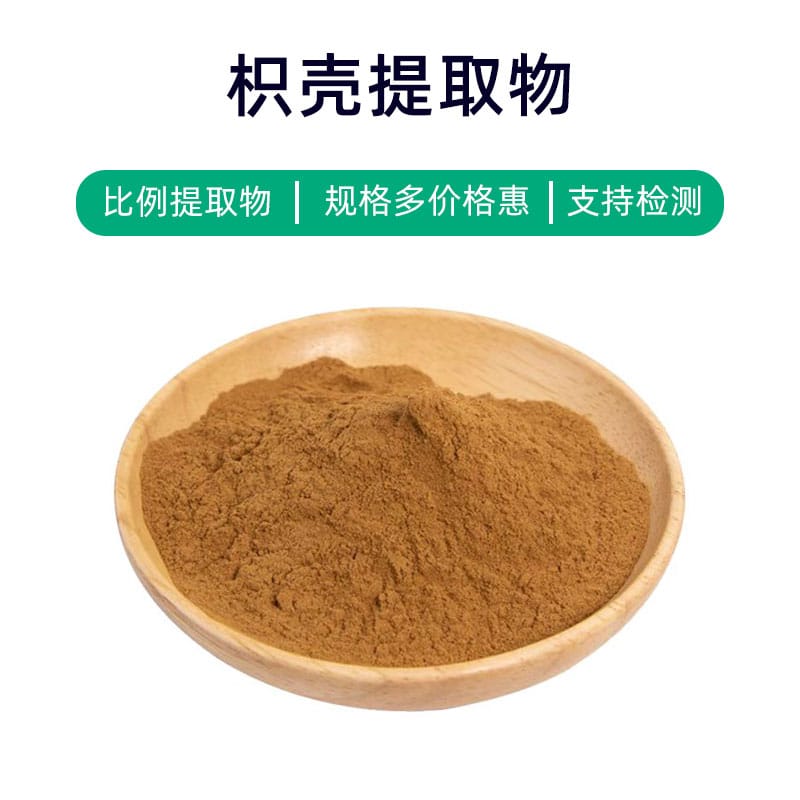
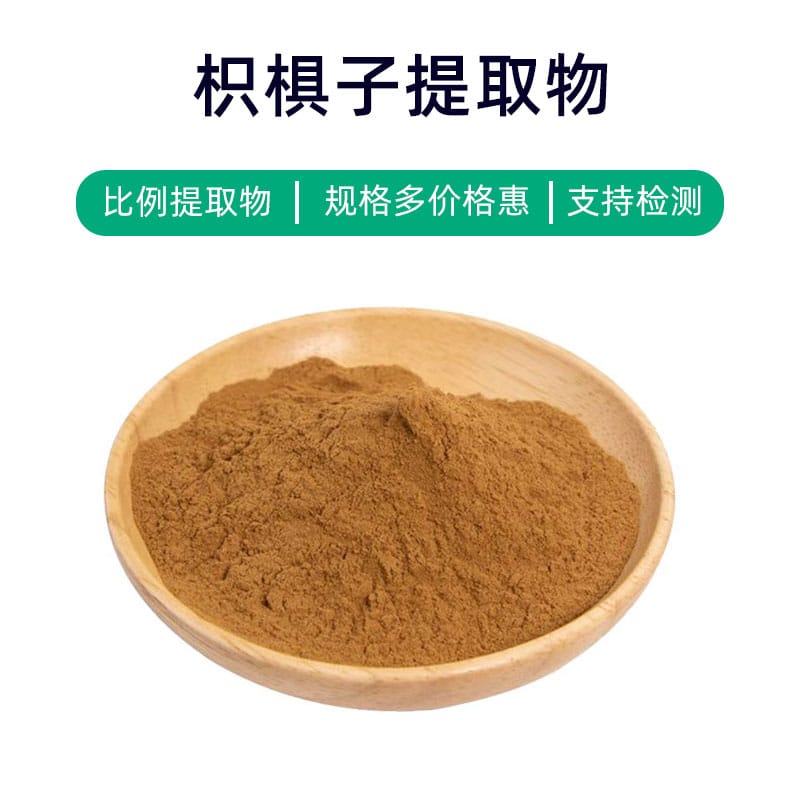
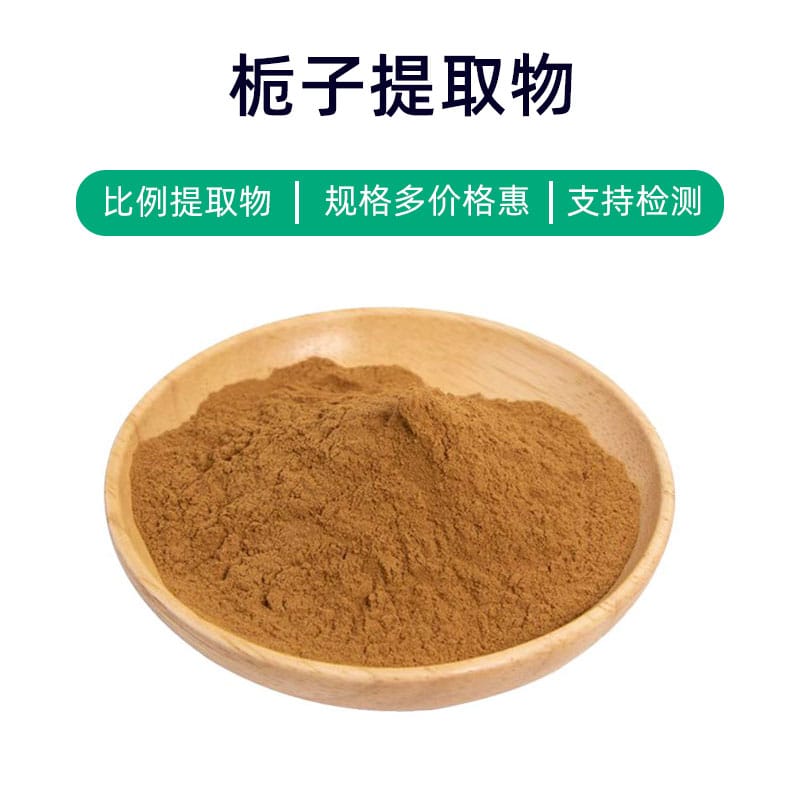
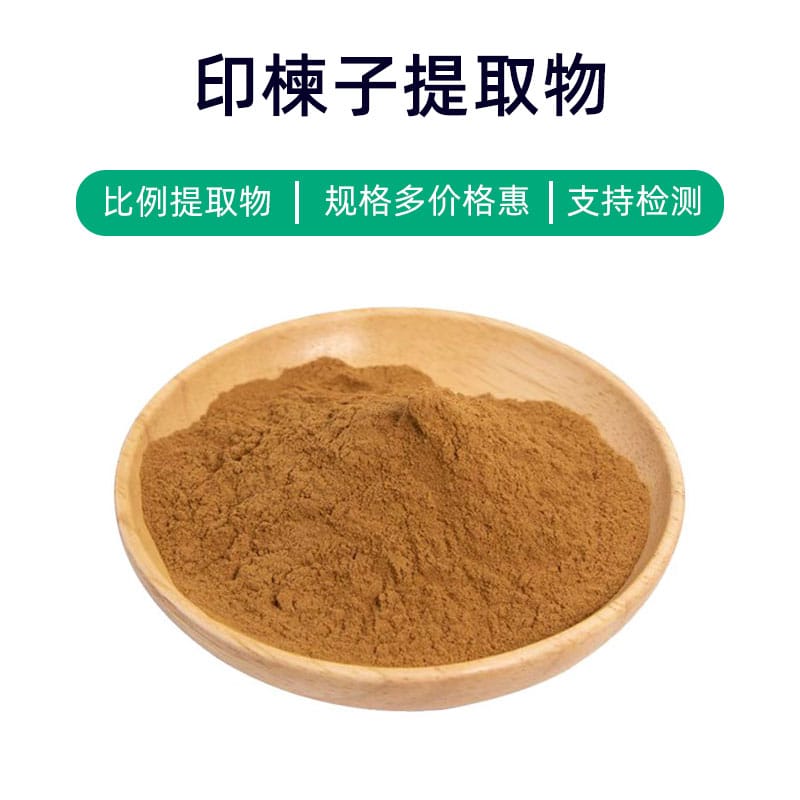
Product Characteristics: Powdery, yellow-green
Plant Source: Leaves and stems of the Neem tree
Main Components: Contains active ingredients such as Andrographolide and Dehydroandrographolide
Particle Size: 80-100 mesh
Detection Method: UV and HPLC detection methods
Applications: Used as a medicinal raw material for preparing traditional Chinese herbal formulas or single herbal medicines
Storage: Store in a dry, cool place away from direct sunlight.
Introduction to Neem Seed Extract
Neem seed extract is a natural plant extract obtained from the leaves and stems of the Neem tree. Its main components include active ingredients like Andrographolide and Dehydroandrographolide, which possess antioxidant, anti-inflammatory, and immune-regulating properties. These components are widely used in the preparation of medicinal raw materials, which can be formulated into traditional herbal mixtures or single herbal products.
Andrographolide is one of the primary active components of neem seed extract, having significant antioxidant and anti-inflammatory effects. It helps regulate the immune system, enhancing the body’s resistance, thus aiding in the prevention and relief of certain inflammatory diseases. Dehydroandrographolide is also an important bioactive component with similar anti-inflammatory and immune-regulating effects.
Neem seed extract has extensive applications in pharmaceuticals and health products. It is commonly used to prepare traditional herbal formulas for respiratory diseases such as colds and throat inflammation, helping to alleviate symptoms and promote recovery. Additionally, due to its antioxidant characteristics, it is also found in anti-aging products and immune-regulating health supplements, contributing to the maintenance of overall health and enhanced resistance.
Overall, as a natural plant extract, neem seed extract contains various bioactive components, making it suitable for preparing traditional herbal medicines and health products, offering anti-inflammatory, antioxidant, and immune-regulating benefits that positively impact health and disease prevention.
Production Process of Neem Seed Extract
The production process for neem seed extract typically includes the following steps:
- Collection: First, select high-quality Neem leaves and stems as raw materials. These materials are usually harvested during the plant's growth cycle when they reach maturity, ensuring the optimal content and quality of active ingredients.
- Cleaning and Processing: The collected Neem leaves and stems must be cleaned and processed to remove impurities and surface debris, ensuring the purity of the raw materials.
- Grinding: The processed raw materials are then ground, typically using mechanical crushing or grinding methods, to achieve a particle size suitable for extraction.
- Extraction: The ground raw material undergoes extraction, with common methods including water extraction, ethanol extraction, or supercritical fluid extraction. During extraction, parameters such as temperature, pressure, and solvent concentration can be controlled to enhance extraction efficiency and the purity of the extracts.
- Concentration: The obtained solution or extract is concentrated through methods like evaporation or freeze-drying to produce neem seed extract concentrate.
- Drying: The concentrated liquid is dried, usually using spray drying or vacuum drying methods, to yield the final neem seed extract product.
Throughout the production process, it is crucial to strictly control the parameters at each stage, including the quality of the raw materials, extraction conditions, and drying temperature and humidity, to ensure the quality and stability of the final product. It is also important to follow relevant production regulations and standards to guarantee a safe, effective production process that complies with legal requirements.
Effects and Side Effects of Neem Seed Extract
Neem seed extract is a natural plant extract known for its various effects and benefits. Below is a detailed overview of its effects, along with potential side effects.
- Antioxidant Effects: Neem seed extract contains abundant active ingredients like Andrographolide, which exhibit significant antioxidant effects. This antioxidant capability helps neutralize free radicals, reducing oxidative stress on cells and assisting in the prevention and delay of aging.
- Anti-inflammatory Effects: Andrographolide is one of the main active components in neem seed extract, known for its powerful anti-inflammatory properties. It can inhibit the release of inflammatory mediators, alleviating inflammatory responses, and is effective in easing inflammatory diseases such as rheumatoid arthritis and inflammatory bowel disease.
- Immune Modulation: The components in neem seed extract can regulate immune system functions and enhance the body’s resistance. They can increase white blood cell counts and improve immune cell activity, aiding in infection prevention and recovery.
- Antibacterial Effects: Some studies indicate that neem seed extract possesses inhibitory effects on certain bacteria and viruses, which may assist in the treatment of infectious diseases; however, the precise antibacterial mechanisms need further study.
- Digestive System Improvement: Neem seed extract may benefit the digestive system by promoting gastrointestinal motility and alleviating symptoms like indigestion and stomach pain.
While neem seed extract offers numerous benefits, users should be aware of potential side effects. Some studies suggest that prolonged or high-dose use might lead to gastrointestinal discomfort, such as nausea or diarrhea. Additionally, individuals may vary in their tolerance to neem seed extract, with some experiencing allergic reactions or risks of drug interactions.
Therefore, it is advisable to follow these recommendations when using neem seed extract: First, use it according to the advice of a doctor or professional and avoid long-term or excessive use; second, monitor for any adverse bodily reactions, and cease use immediately if discomfort arises and consult a physician; lastly, purchase products through reputable channels to ensure quality and safety.
In conclusion, neem seed extract provides antioxidant, anti-inflammatory, immune-modulating benefits, but considerations for potential side effects and safety are crucial. It is recommended to use it under the guidance of a healthcare professional for optimal safety and effectiveness.
Applications and Dosage of Neem Seed Extract
Neem seed extract is widely applicable in the medicine, food, and cosmetics sectors, with varying methods of use and dosage. Below is a detailed overview of these applications and recommended dosages.
- Medical Applications:
- Neem seed extract is widely used in medicinal formulations, particularly for treating respiratory conditions. For instance, it can be prepared into cold granules or cough syrups to relieve symptoms from respiratory infections.
- Dosage: Generally, the oral dose for adults ranges from 300-600 milligrams per intake, taken three times daily, or adjusted according to physician recommendations.
- Food Applications:
- Neem seed extract can also be used as a food additive, imparting antioxidant and antibacterial functions to food products. For example, it may be added to functional drinks or health supplements.
- Dosage: Food additives are typically incorporated according to national food safety standards, with specific amounts determined based on product formulation and process.
- Cosmetic Applications:
- In cosmetics, neem seed extract is commonly used in skincare and anti-aging products, enhancing the products’ antioxidant capacities and slowing skin aging.
- Dosage: The concentration of neem seed extract in cosmetics usually ranges from 0.1% to 2%, with specific amounts based on product type and intended effects, following the product formulation and guidelines.
In summary, neem seed extract is mainly used in the medical field for traditional formulations, such as cold granules and cough syrups; in the food sector, it serves as a food additive to deliver antioxidant and antibacterial properties; and in cosmetics, it is primarily found in skincare and anti-aging products. During use, appropriate dosages should be determined based on specific applications and product types, while adhering to relevant laws, regulations, and standards to ensure safety and effectiveness. It is advisable to use under professional guidance to achieve optimal results.
Source Plant Introduction, Distribution, and Growth Environment of Neem Seed Extract
Neem (Scientific Name: Andrographis paniculata) is a common herbaceous plant belonging to the Acanthaceae family. The following highlights the source plant, distribution, and growth environment of neem.
- Source Plant Description:
- Neem is a perennial herbaceous plant with erect stems, typically ranging from 30 to 110 centimeters in height. Its leaves are long oval or lance-shaped, arranged oppositely, with serrated edges, and are usually green. The flowers of neem are clustered at the tops of branches in a conical inflorescence, primarily white or pale purple, featuring lip-shaped flower petals with four lobes.
- Distribution:
- Neem is predominantly found in tropical and subtropical regions of Asia, including countries such as India, Sri Lanka, Myanmar, Thailand, Malaysia, and Indonesia. In China, it is primarily distributed in Yunnan, Guangxi, Guangdong, Fujian provinces, and on Taiwan Island.
- Growth Environment:
- (1) Climate Conditions: Neem thrives in tropical and subtropical climates, favoring warm, humid conditions. The optimal growth temperature ranges from 20 to 35 degrees Celsius, making it sensitive to cold and dry environments.
- (2) Soil Requirements: Neem adapts to various soils but prefers loose, well-drained loam. The ideal soil pH is between 5.5 and 7.5, with moderate nutrient requirements.
- (3) Light Conditions: Neem prefers well-lit environments and requires ample sunlight during its growth period for optimal development and fruiting.
In summary, neem is a perennial herbaceous plant that grows in tropical and subtropical regions, primarily distributed across various countries in Asia. It favors warm, humid climates and exhibits strong adaptability with relatively low requirements for soil and sunlight. Under suitable growth conditions, neem can thrive and possesses rich medicinal value.
Processing and Storage of Neem Seed Extract
The processing of neem seed extract involves steps including collection, cleaning, grinding, extraction, concentration, and drying, with careful control of temperature, pressure, and solvent concentration. During storage, it should be kept in a dry, cool place away from direct sunlight, protected from moisture, and sealed to extend shelf life.

Monica Sun is a seasoned expert in the plant extraction industry with over a decade of experience in research and production. She specializes in the extraction and purification of plant active ingredients, focusing on driving innovation in natural product applications. Monica has participated in the development of multiple functional plant extracts, delivering high-value natural raw material solutions for the health food, pharmaceutical, and dietary supplement sectors.