


Product Introduction to Rhubarb Extract
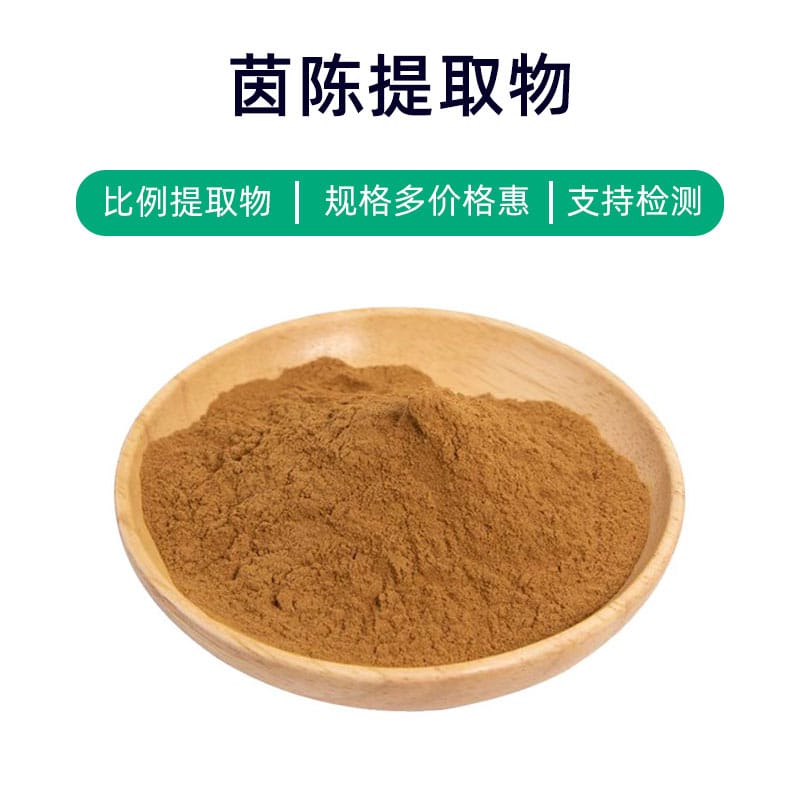
Rhubarb extract is derived from the roots of the Rhubarb plant. It mainly comprises active ingredients such as rhein, rhubarb glycosides, and anthraquinones. Rhubarb extract is widely used across various fields including medicine, food, and cosmetics. In the medical field, it is often utilized in traditional Chinese medicine for its ability to clear heat, alleviate fire, and promote urination, effectively treating issues like constipation and dysentery. In the food industry, it serves as a natural food additive and flavor enhancer, adding unique flavors and textures to products. In cosmetics, rhubarb extract is utilized for skin conditioning, with effects such as oil control and acne reduction, frequently found in oil-controlling skincare products. Overall, rhubarb extract is a versatile natural ingredient with broad application prospects, contributing positively to health and beauty.
Production Process for Rhubarb Extract
The production process for rhubarb extract generally involves the following key steps:
- Raw Material Preparation: Fresh roots of the rhubarb plant are collected as the extraction material, ensuring the quality and maturity of the plants before harvesting.
- Washing: The collected rhubarb roots are cleaned to remove dirt and impurities, ensuring the purity of the extract.
- Cutting and Grinding: The cleaned rhubarb roots are chopped or ground to enhance extraction efficiency, often using mechanical crushing or grinding methods.
- Extraction: This is a crucial step in the production process, commonly employing extraction methods such as water extraction, ethanol extraction, or supercritical fluid extraction. Typically, the water extraction method is commonly used, where water serves as a solvent to extract effective components at an appropriate temperature.
- Concentration: The extracted liquid is then concentrated, usually through vacuum concentration or evaporation methods, removing solvents to yield a concentrated solution.
- Filtration and Purification: The concentrated solution undergoes filtering and purification to remove impurities and suspended particles, resulting in pure rhubarb extract.
- Drying: Finally, the obtained rhubarb extract is dried to form a powder for easier packaging and storage.
Throughout the production process, it is essential to strictly control parameters such as temperature, pressure, and time to ensure the quality and stability of the final product. Additionally, compliance with hygiene standards and quality management requirements is necessary to ensure the safety and traceability of the production process.
Health Benefits and Side Effects of Rhubarb Extract
As a commonly used traditional Chinese medicine, rhubarb extract offers various health benefits, including:
- Promoting Urination and Alleviating Dampness: Traditionally used to clear heat and relieve fire, rhubarb extract can enhance intestinal motility, increasing bowel movement frequency and helping to improve issues like constipation and dysentery.
- Clearing Heat and Relieving Fire: Rhubarb extract effectively eliminates damp-heat from the body, helping to alleviate discomfort caused by damp-heat symptoms, such as dry mouth, thirst, and yellow urine.
- Reducing Swelling and Dissolving Masses: Rhubarb extract is believed to have properties that reduce swelling and resolve masses, making it useful for treating lumps and abscesses, with some anti-inflammatory and antibacterial effects.
- Diuretic and Detoxifying Effects: Rich in various effective components, rhubarb extract can enhance kidney detox functions and increase urine output, aiding in the expulsion of metabolic waste and toxins from the body.
- Antioxidant Properties: Rhubarb extract contains abundant antioxidants, such as anthraquinone compounds, which can neutralize free radicals, mitigate oxidative stress damage, and protect cell health.
- Regulating Gut Flora: Rhubarb extract may help regulate gut bacteria, promoting the growth of beneficial bacteria and improving digestive issues caused by imbalances in gut flora.
Despite its numerous benefits, caution should be exercised regarding potential side effects and considerations:
- Individual Differences: Reactions to rhubarb extract can vary among individuals; some may experience allergic reactions, including skin itching or swelling.
- Dosage Control: Dosing must be carefully controlled to avoid adverse reactions from excessive use.
- Pregnancy Contraindications: Pregnant women should avoid rhubarb extract, as its safety during pregnancy and breastfeeding is not clearly established, posing potential safety concerns.
In summary, rhubarb extract provides a variety of benefits such as clearing heat, alleviating dampness, reducing swelling, and detoxifying. However, it is essential to control dosage carefully, be aware of individual variances, and heed pregnancy-related cautions to safely and effectively utilize its benefits.
Application Scenarios and Dosage of Rhubarb Extract
Rhubarb extract has extensive applications in medicine, food, and cosmetics. Below are the various scenarios and recommended dosages in different fields:
Medical Applications:
- Clearing Heat, Alleviating Dampness: Rhubarb extract is often used in traditional medicine formulations to address dysentery and constipation. Typical dosage for adults is 3-6 grams per time, taken 2-3 times a day, depending on symptom severity. Common forms include granules, tablets, and pills.
- Reducing Swelling and Dissolving Masses: In some traditional Chinese remedies, rhubarb extract is applied to treat abscesses and lumps. It is commonly used as an external application, following medical advice.
Food Applications:
- Food Additive: As a natural herbal extract, rhubarb extract serves as a food additive to enhance flavors and textures in products such as cookies, pastries, and herbal teas. Dosage varies based on food processing and recipes, adhering to national food safety standards.
Cosmetic Applications:
- Oil Control and Acne Reduction: Rhubarb extract's heat-clearing and damp-relieving properties make it a popular ingredient in oil-controlling and acne-fighting products, such as cleansers, masks, and toners. It is used externally, applied according to product instructions, generally applied in moderation to clean skin.
Precautions:
- When using rhubarb extract, be mindful of individual differences, avoid excessive use especially in medical contexts, and follow physician advice.
- Pregnant and breastfeeding women should avoid rhubarb extract to prevent adverse effects on the fetus or infant.
- If any skin discomfort or allergic reactions occur while using cosmetics containing rhubarb extract, discontinue use immediately and consult a healthcare professional for advice.
In conclusion, rhubarb extract has broad applications in medicine, food, and cosmetics, but careful consideration should be given to usage and dosage to ensure safety and effectiveness.
Overview of the Source Plant of Rhubarb Extract, Distribution, and Growth Environment
Rhubarb (scientific name: Rheum palmatum) is a perennial herb belonging to the Polygonaceae family and the Rheum genus, also known as da huang, tiglik, and yellow root. Below is an introduction to the source plant of rhubarb extract, its distribution, and growth environment:
Plant Overview:
Rhubarb plants feature a robust root system and upright stems, typically growing 1-2 meters tall, with well-developed roots that are oval in shape. The leaves are large and heart- or round-shaped with long petioles. The flowers are produced in dense clusters at the top and are usually red or yellow. The fruit is cylindrical or oval and is enclosed by the remaining flower parts.
Distribution:
Rhubarb is primarily distributed in regions of Asia, Europe, and North America. In China, it is widely found in the northern, northwestern, and southwestern regions, notably in Shaanxi, Gansu, and Sichuan provinces. Additionally, it is present in Russia, Mongolia, Korea, and Japan.
Growth Environment:
Rhubarb thrives in temperate and cold regions, typically growing in mountainous areas at elevations of 1,000-3,000 meters. It is commonly found on slopes, grasslands, valleys, riverbanks, forest edges, and meadows. It has strong adaptability to climate and soil, tolerating low temperatures and cold conditions while thriving in well-drained sandy loam and loamy soils.
Rhubarb has a long growth cycle, generally sown in spring and harvested in the fall. In suitable growth environments, rhubarb grows rapidly, forming unique plant communities. Its roots contain rich effective components such as rhein and rhubarb glycosides, leading to its widespread use in traditional medicine.
Overall, rhubarb is a highly adaptable perennial herb primarily distributed in temperate and cold regions, favoring growth in higher elevations in mountainous and meadow areas. Its roots are used to produce rhubarb extract, which has extensive applications in medicine and other fields.
Processing and Storage of Rhubarb Extract
The processing of rhubarb extract typically includes the following steps: First, fresh rhubarb roots are gathered, washed, and treated to remove impurities; then, the roots are chopped or ground to enhance extraction efficiency; next, effective components are extracted using water extraction, ethanol extraction, or other methods; thereafter, concentration, filtration, and purification processes yield pure rhubarb extract; finally, the extract is dried into a powder form for easy storage and usage. During storage, it should be kept in a dry, cool environment, away from direct sunlight and moisture, and sealed tightly to maintain stability and medicinal efficacy.

Monica Sun is a seasoned expert in the plant extraction industry with over a decade of experience in research and production. She specializes in the extraction and purification of plant active ingredients, focusing on driving innovation in natural product applications. Monica has participated in the development of multiple functional plant extracts, delivering high-value natural raw material solutions for the health food, pharmaceutical, and dietary supplement sectors.