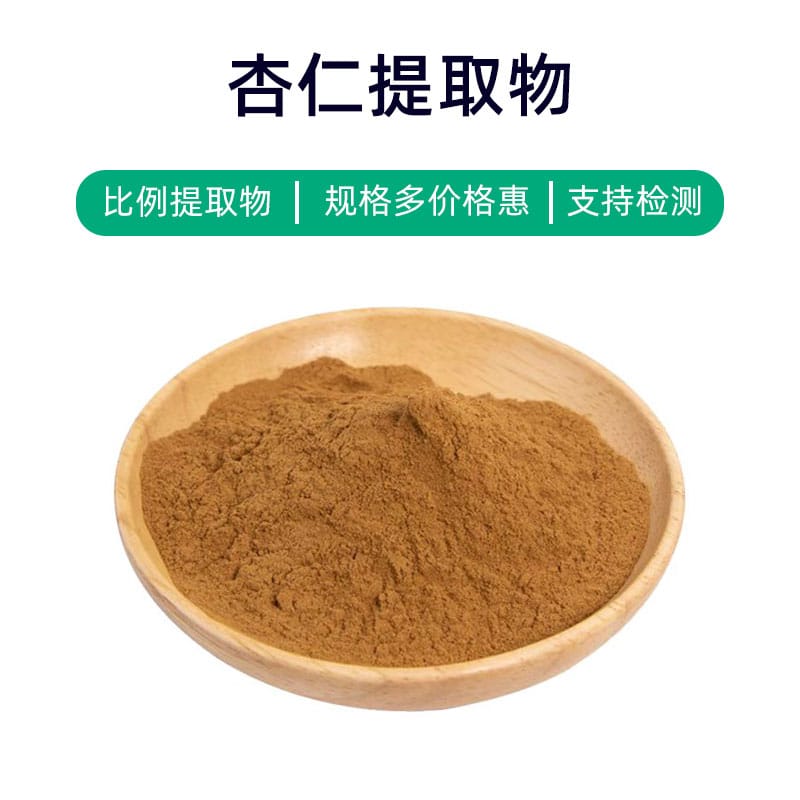



Almond Extract Product Introduction
Almond extract is a natural plant extract derived from almonds, primarily containing almond oil, vitamin E, proteins, minerals, and antioxidants. Its benefits mainly reflect in moisturizing, antioxidant effects, and skin soothing. Almond extract has good moisturizing capabilities, which can enhance skin elasticity, reduce the appearance of wrinkles and fine lines. Additionally, the rich vitamin E and antioxidants can effectively combat free radical damage, slowing down the skin aging process, keeping the skin youthful and healthy. Moreover, almond extract also soothes the skin, alleviating discomfort caused by dryness, irritation, or allergies, making the skin feel more comfortable and relaxed. In cosmetics, almond extract is commonly used in skincare products, shampoos, and conditioners to improve the texture of skin and hair, increasing the moisture and nourishing properties of the products. Furthermore, almond extract can also serve as a food additive in flavorings, baked goods, desserts, etc., imparting almond flavor and nutritional components to enhance taste and nutritional value. In summary, almond extract has a broad application prospect in medicine, food, and cosmetics, making it a natural, safe, and effective plant extract.
Almond Extract Production Process
The production process of almond extract typically includes the following main steps:
- Raw Material Preparation: First, select fresh almonds as the raw material. Almonds should undergo shelling and skin removal pre-treatment steps to ensure the purity and quality of the extract.
- Crushing and Grinding: The pre-treated almonds need to be crushed and ground to increase surface area, facilitating the following extraction process. Usually, mechanical grinding or wet grinding is employed to turn the almonds into fine powder.
- Extraction Process: The ground almond powder is placed in extraction equipment, typically using solvent extraction methods like ethanol or n-hexane. The solvent extracts the active components from the almonds, forming an extract solution.
- Concentration: The solvent in the extract solution needs to be evaporated or removed to concentrate the extract. This step usually employs vacuum evaporation or low-temperature concentration methods to prevent the loss of active components and solvent residue.
- Filtration and Clarification: The concentrated extract solution undergoes filtration and clarification to remove impurities and suspended solids, resulting in a clear extract solution.
- Drying: The clarified extract solution is dried to remove residual moisture, resulting in powdered almond extract.
- Packaging: Finally, the dried almond extract is packaged, typically in sealed packaging to prevent the influence of oxygen, light, and moisture on the product, ensuring its stability and long-term storage.
Each step of the almond extract production process requires strict control to ensure the quality and purity of the extract.
Almond Extract Functions and Side Effects
Almond extract, derived from almonds, has various functions and benefits.
- Heart Health Protection: Rich in monounsaturated fatty acids and vitamin E, almond extract helps lower cholesterol levels, improves cardiovascular health, and reduces the risk of cardiovascular diseases.
- Antioxidant Effect: Almond extract contains abundant antioxidants such as vitamin E and polyphenolic compounds, which help eliminate free radicals, slow down oxidative damage to cells, and delay the aging process.
- Energy Provision: Almond extract is rich in proteins, carbohydrates, and fats, serving as a quality energy source that helps enhance vitality and energy levels.
- Digestive Promotion: The dietary fiber in almond extract can promote intestinal motility, increase the diversity of gut flora, benefiting digestive health and normal bowel movements.
- Bone Health Support: Almond extract is rich in minerals like calcium, magnesium, zinc, and manganese, helping enhance bone density and prevent osteoporosis and fractures.
- Skin Condition Improvement: The vitamin E and fatty acids in almond extract nourish and protect the skin, reducing dryness, inflammation, and itching, promoting skin repair and regeneration.
- Sleep Quality Improvement: The high magnesium content in almond extract helps relax the nervous system, relieve anxiety and tension, and improve sleep quality.
Almond extract is generally safe but may cause allergic reactions in some cases, particularly for people who are allergic to almonds. Therefore, caution is advised when using almond extract, and it’s best to consult with a physician for personalized recommendations.
Almond Extract Application Scenarios and Dosage
Almond extract has a broad range of applications in medicine, food, and cosmetics, with its usage varying by context.
- Application in Medicine:
- Almond extract is commonly used in traditional Chinese medicine formulations, known for functions like clearing heat and moisturizing the lungs, alleviating coughs, and stopping phlegm. It can be part of medicinal preparations such as cough syrups and lung-nourishing granules.
- Dosage: Generally as advised by a physician, it can be taken orally or applied topically, with specific dosage and usage depending on the medication form and individual circumstances.
- Application in Food:
- Almond extract can be used in various food processing, including pastries, cookies, chocolates, and ice creams, providing rich flavor and nutrition to the foods.
- Dosage: Added proportionately according to recipe requirements, with specific quantities depending on food types and production needs.
- Application in Cosmetics:
- Almond extract is commonly found in skincare and hair care products, known for moisturizing, repairing skin, and increasing hair shine. It is frequently used in creams, lotions, and shampoos.
- Dosage: Generally as part of cosmetic formulations, added in appropriate amounts based on recipes, with specific quantities and usage according to product instructions.
In the medical field, almond extract is commonly featured in certain cough and cold medications to relieve symptoms like cough and phlegm. In the food industry, almond extract is often found in pastries and chocolates, imparting rich flavor and texture. In cosmetics, it is prevalent in skincare and hair care products, enhancing moisture retention, skin repair, and hair shine. When using almond extract, one should follow the dosage recommendations provided in the product instructions to avoid adverse reactions.
Almond Extract Plant Source, Distribution, and Growing Environment
Almond extract comes from the almond tree (Prunus dulcis), which is produced through extraction and concentration of the seeds of the tree. Here’s a detailed overview of the almond tree's source, distribution, and growing environment:
- Plant Source:
- The almond tree (Prunus dulcis), also known as the almond tree, belongs to the rose family (Rosaceae) and the subfamily Prunoideae. Its seeds, the almonds, are commonly used for culinary and medicinal purposes.
- Distribution:
- Origin: The almond tree originated in Central Asia and is primarily found in China, Iran, Turkey, and the Middle East. China is one of the original cultivation areas with a long history of almond farming.
- Global Distribution: The almond tree has been widely introduced around the world, including regions such as Europe, North America, Africa, and Australia. Under suitable climate conditions, it grows well and is extensively cultivated and utilized.
- Growing Environment:
- Climate Requirements: The almond tree prefers a mild and humid climate and requires ample sunlight. The ideal temperature range is between 15°C and 25°C; it is frost-resistant in winter but sensitive to early spring cold and frosts.
- Soil Requirements: The almond tree is not particularly strict about soil but prefers well-drained, fertile soils. It is salt-tolerant and can grow in neutral to alkaline soils but does not tolerate waterlogged conditions.
- Growth Habit: The almond tree grows fairly quickly, reaching a medium height of 10 to 15 meters. It has a round crown and lush foliage, offering ornamental value. Typically, it flowers in spring, with fruit maturity concentrated within a single year.
In these distributed regions, almond trees commonly grow on hillsides, valleys, plains, and river valleys. Their unique adaptability and rich nutritional components make them a favorite fruit tree among people. Cultivation and management techniques for almond trees are well-established, and continuous variety improvement and cultivation practices have effectively enhanced the yield and quality of almond production.
Almond Extract Processing and Storage
The processing of almond extract generally includes the following steps: first, removing the shells and bitterness from the almonds, then crushing and grinding them into powder. Next, methods such as water extraction, solvent extraction, or supercritical fluid extraction are used to extract the effective components from the almonds. After filtering, concentrating, and drying, the final almond extract product is obtained.
Regarding storage, almond extract should be kept in a cool, dry, and well-ventilated area, away from direct sunlight and high temperatures. It should be kept away from strong acids and bases to avoid impacting its stability and quality. Under proper storage conditions, almond extract typically has a long shelf life, but to ensure its quality, it is best used shortly after opening.

Monica Sun is a seasoned expert in the plant extraction industry with over a decade of experience in research and production. She specializes in the extraction and purification of plant active ingredients, focusing on driving innovation in natural product applications. Monica has participated in the development of multiple functional plant extracts, delivering high-value natural raw material solutions for the health food, pharmaceutical, and dietary supplement sectors.