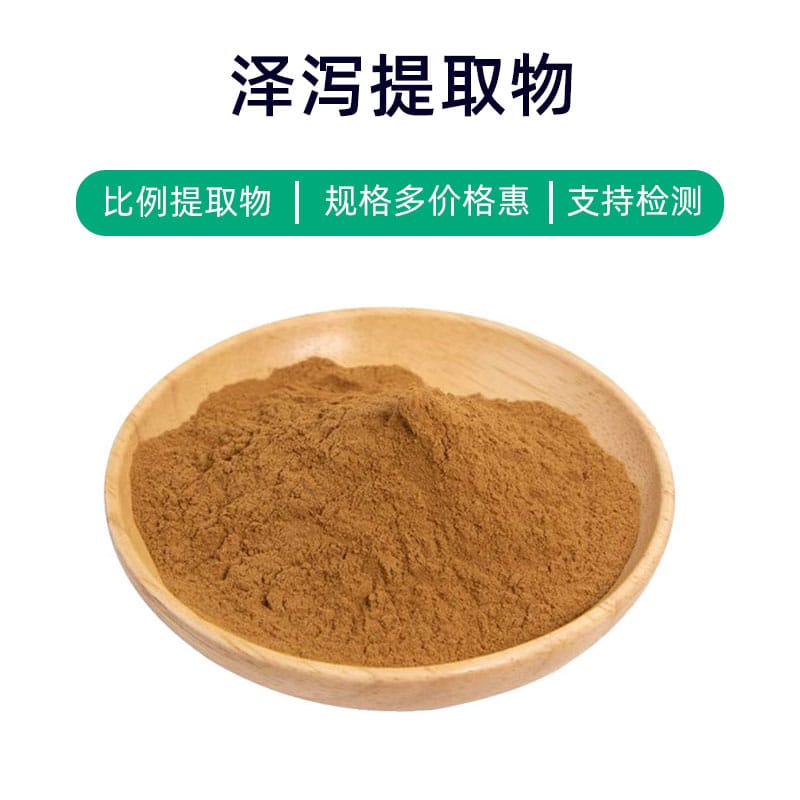



Alisma Extract Product Introduction
Alisma extract is a natural plant extract obtained from the roots of the Alisma plant, containing a variety of physiologically active components. Its main ingredients include alismol, alisol, and alisol acid. Alisma extract is widely used in the fields of medicine, health supplements, and cosmetics, and has the following main benefits and applications:
- Diuretic Effects: Traditionally used to clear heat and dampness, Alisma extract helps to eliminate excess water from the body, providing relief for symptoms such as edema and frequent urination.
- Regulation of Lipids: The effective components in Alisma extract can help regulate blood lipids and lower lipid levels, providing support for issues like high cholesterol.
- Antioxidant Properties: Alisma extract is rich in natural antioxidants, helping to slow aging and protect cell health.
- Anti-Inflammatory Effects: The active components in Alisma extract exhibit anti-inflammatory properties, which may be beneficial for alleviating conditions such as arthritis and intestinal inflammation.
- Moisturizing and Soothing: In cosmetics, Alisma extract is commonly used in moisturizing skincare products, promoting skin comfort and elasticity.
Alisma extract is versatile and can be used as a raw material for oral health products, medications, and skincare products. It is advisable to use it according to product instructions or medical advice to avoid excessive use and improper applications.
Alisma Extract Production Process
The production process of Alisma extract typically involves the following steps:
- Raw Material Collection: Fresh, high-quality Alisma plants are selected as raw materials. Alisma generally grows in moist aquatic environments, so it is important to choose plants from healthy habitats.
- Washing and Processing: The collected Alisma plants need to be washed and processed to remove sand, impurities, etc. The cleaned plants should remain moist to avoid excessive drying.
- Crushing and Extraction: The washed Alisma plants are crushed to facilitate the extraction of effective components. The crushed plant material is then extracted using appropriate solvents.
- Solvent Recovery: Solvents used during the extraction process should be recovered to conserve resources and reduce environmental pollution.
- Concentration and Separation: The extracting liquid is concentrated to achieve a higher concentration of active components. Separation techniques like filtering and centrifugation are then used to isolate the desired Alisma extract.
- Drying and Grinding: The obtained Alisma extract is dried to remove excess moisture, enhancing stability and shelf life. It is then ground into a powdered form.
- Packaging and Storage: Finally, the extract is packaged, typically in sealed, moisture-proof containers to ensure quality and stability. It should be stored in a dry, cool, and ventilated area, away from direct sunlight and damp conditions, to extend its shelf life.
This overview describes the typical production process of Alisma extract, although specific techniques may vary among different manufacturers depending on their preferences.
Alisma Extract Effects and Side Effects
Alisma extract is a commonly used traditional Chinese medicine and is often utilized in pharmaceuticals and health supplements. Here are its main effects, benefits, and potential side effects:
- Diuretic Properties: Alisma is widely employed in traditional medicine for its ability to clear heat and promote urination, helpful for treating edema and urinary difficulties.
- Heat Clearing and Detoxification: The effective components in Alisma extract have detoxifying properties, which can be useful in treating conditions like heat toxicity, including painful urination and abscesses.
- Relief from Constipation: Alisma contains dietary fiber, aiding in the relief of constipation and promoting intestinal motility, often used for digestive health.
- Digestive System Regulation: Alisma can help regulate gastrointestinal function, promoting motility and alleviating issues like indigestion and bloating.
- Eczema and Itching Relief: Alisma extract may help soothe symptoms of eczema and skin itching, improving overall skin conditions.
- Antimicrobial and Anti-inflammatory: The active ingredients in Alisma have antimicrobial and anti-inflammatory effects, inhibiting certain bacterial infections and inflammation.
- Regulating Blood Lipids and Glucose: Certain components of Alisma extract help to regulate blood lipid and glucose levels, offering support for metabolic disorders.
Regarding side effects, Alisma extract is generally safe, but attention should still be paid to the following points:
- Possible Digestive Issues: Overuse of Alisma may cause diarrhea, abdominal pain, or other digestive issues; therefore, it's essential to adhere to recommended doses.
- Allergic Reactions: Some individuals may experience allergic reactions to Alisma, such as rashes or difficulty breathing; reviewing allergy history before use is advisable.
- Impact on Drug Absorption: Alisma extract may influence the absorption of certain medications, so proper coordination with other treatments under medical guidance is crucial.
In summary, Alisma extract offers beneficial effects like diuresis, detoxification, and digestive regulation. Still, its usage should be mindful of dosage and combinations to prevent potential side effects. Consulting with a healthcare professional is recommended for guidance on its use.
Alisma Extract Application Scenarios and Dosage
Alisma extract has extensive applications in medicine, food, and cosmetics. Below are detailed descriptions of its application scenarios and dosage.
- Applications in Medicine:
- Diuretic Support: Alisma extract is often used to treat edema and urinary difficulties. The common dosage is 5-10 grams for adults, with adjustments for children.
- Heat Clearing and Detoxification: For conditions like heat toxicity, Alisma extract may serve as part of a therapeutic regimen, usually administered in medicinal decoctions.
- Applications in Food:
- Flavoring: Some components in Alisma extract have a distinct aroma, useful for flavoring beverages like flower tea or herbal tea, with amounts adjusted to personal taste.
- Nutritional Supplements: Alisma extract is rich in dietary fiber and nutrients, suitable for dietary supplements or health foods, with dosage following product instructions or medical advice.
- Applications in Cosmetics:
- Skincare Products: Due to its antioxidant and anti-inflammatory properties, Alisma extract is included in skincare formulations such as masks and lotions, with usage according to product guidelines.
- Cleansing Products: The extract also benefits skin cleansing, making it useful in facial cleansers, with amounts following product specifications.
Overall, in medicinal applications, it’s advisable to follow medical advice, adjusting dosages based on individual needs. For food and cosmetic applications, choosing appropriate products and doses is critical to prevent excessive use. Always read product instructions carefully or consult healthcare professionals for advice before usage.
Alisma Plant Overview: Source, Distribution, and Growing Environment
Alisma (scientific name: Alisma orientale) is a perennial aquatic plant belonging to the family Alismataceae. Below is detailed information about the plant from which Alisma extract is derived, including its description, distribution, and growing environments:
- Plant Overview:
Alisma is a perennial aquatic plant with long, flat leaves and slender flower stalks, typically flowering in summer. Its stems are round and generally range from 30 to 100 centimeters in height, with a well-developed root system growing in ponds, lakes, and waterways, making it a common aquatic species. - Distribution:
Alisma is widely distributed across Asia, Europe, and North America, primarily thriving in temperate and subtropical regions' freshwater lakes, rivers, ponds, and wetlands. In China, Alisma is commonly found in water bodies within the Yangtze River, Pearl River, and Huai River basins. - Growing Environment:
Alisma requires specific growing conditions, typically found in shallow, clear waters rich in organic matter. It prefers full sunlight but can adapt to partially shaded environments. The plant flourishes in moist soil and stable water levels, displaying strong adaptability and low demands for water temperature and nutrients.
Alisma extract is generally derived from the roots or underground stems of the Alisma plant, which are rich in active components like alismol, known for their diuretic, detoxifying, and digestive health properties. It is widely used in traditional Chinese medicine, health supplements, and cosmetics. In its natural habitat, Alisma also plays an essential role in maintaining aquatic ecosystems and purifying water resources.
Alisma Extract Processing and Storage
The processing of Alisma extract mainly involves the following steps: First, fresh Alisma plants are collected; subsequently, the roots or underground stems are cleaned and chopped. This is followed by solvent extraction or water extraction methods. The final steps include filtering, concentrating, and drying to obtain the extract. It is crucial to maintain hygiene and adhere to production standards during processing to ensure the quality and safety of the extract.
For storage, it’s generally recommended to keep Alisma extract in a dry, cool, and well-ventilated environment, avoiding direct sunlight and moisture while preventing contamination from impurities. Sealed, light-blocking packaging is advisable to effectively extend the product's shelf life and stability.

Monica Sun is a seasoned expert in the plant extraction industry with over a decade of experience in research and production. She specializes in the extraction and purification of plant active ingredients, focusing on driving innovation in natural product applications. Monica has participated in the development of multiple functional plant extracts, delivering high-value natural raw material solutions for the health food, pharmaceutical, and dietary supplement sectors.