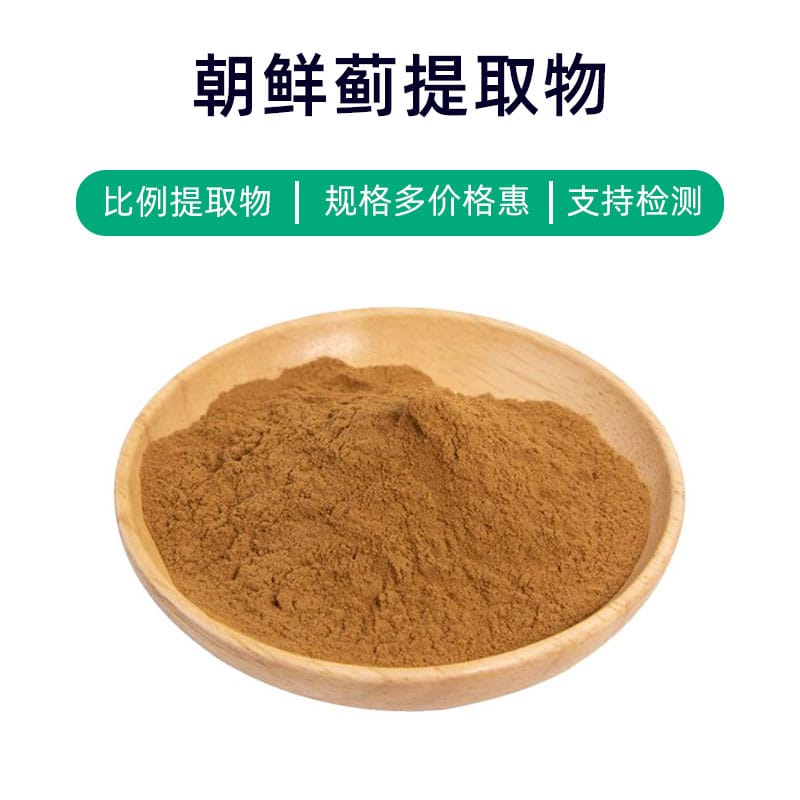
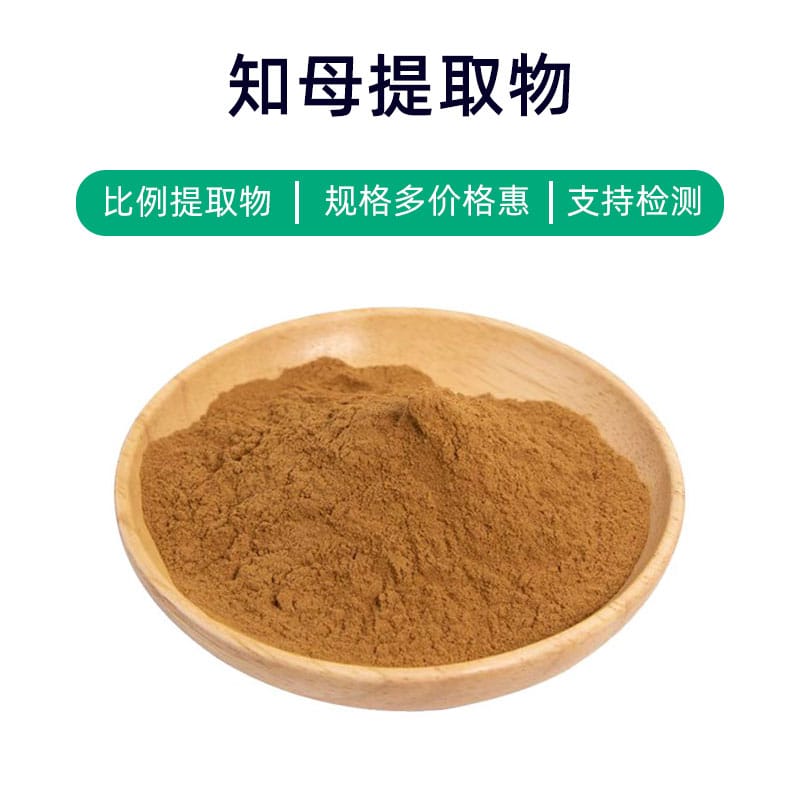



Introduction to Anemarrhena Extract
Anemarrhena extract is a natural plant extract obtained from the roots of the Anemarrhena plant, encompassing main components like diosgenin, anemarrhena saponins, and anemarrhena alcohol. These components possess a range of bioactivities including antioxidant, anti-inflammatory, and antibacterial properties, resulting in extensive applications in medicine and health products.
Anemarrhena extract boasts various benefits. Firstly, it has antioxidant properties that help eliminate free radicals in the body and slow down the cellular aging process. Secondly, Anemarrhena extract also exhibits anti-inflammatory and antibacterial effects, aiding in alleviating inflammatory responses and inhibiting bacterial growth, thereby serving as an adjunct treatment for skin inflammation and infections. Furthermore, it has been found to be effective in regulating blood sugar levels and improving immune function.
In application, Anemarrhena extract is commonly used to prepare herbal formulas, such as those for clearing heat and detoxifying, as well as nourishing and moisturizing. Additionally, it finds widespread use in the production of health supplements and medicines and can be formulated into antioxidant health products, skincare items, and oral solutions. Anemarrhena extract can also be used as an ingredient in cosmetics to improve skin condition and combat aging.
Overall, Anemarrhena extract, as a natural plant extract with rich bioactive components, offers numerous health benefits and has broad prospects for application in medicine, health products, and cosmetics.
Production Process of Anemarrhena Extract
The production process of Anemarrhena extract generally involves the following main steps:
- Raw Material Preparation: Fresh Anemarrhena roots are prepared as extraction material. Select roots that are mature and free of pests or diseases, followed by cleaning and preliminary processing to remove soil and impurities.
- Initial Extraction: The cleaned Anemarrhena roots are chopped or ground to an appropriate particle size, then soaked or heated with an adequate solvent (such as ethanol or water) for extraction. The soaking time and temperature must be controlled within suitable limits to effectively extract active components from the Anemarrhena.
- Filtration and Concentration: The extract obtained is filtered to remove solid particles and impurities, resulting in a crude extract. Concentration equipment (such as a vacuum concentrator) is then used to concentrate the crude extract into a more potent liquid.
- Refined Extraction: The concentrated extract undergoes refinement, usually involving separation, extraction, and crystallization processes to enhance the purity and activity of the Anemarrhena extract.
- Drying and Granulation: The refined Anemarrhena extract is dried using methods such as spray drying or vacuum drying to produce a powdery or granulated product, ensuring to control temperature and humidity to avoid damaging active components.
- Packaging and Storage: Finally, the dried Anemarrhena extract product is packaged using appropriate materials and methods to ensure product quality and stability. It should be stored in a cool, dry, and well-ventilated environment, avoiding direct sunlight and high humidity to maintain its activity and shelf life.
This outlines the general process for producing Anemarrhena extract, while specific procedures may vary between manufacturers and product requirements.
Benefits and Side Effects of Anemarrhena Extract
Anemarrhena is a traditional medicinal herb with various benefits, primarily reflected in the following areas:
- Clearing Heat and Detoxifying: Anemarrhena extract helps alleviate symptoms caused by heat toxins, such as high fever, dry mouth, and sore throat.
- Moistening the Lungs and Cough Relief: It has a soothing effect on the lungs, effective for treating coughs and throat dryness due to heat.
- Anti-Inflammatory and Antibacterial: Containing multiple active components, Anemarrhena extract is beneficial in treating inflammatory and infectious diseases.
- Stopping Bleeding and Promoting Fluid Secretion: It has a regulatory effect on blood and can be used for treating bleeding disorders, such as nosebleeds and bloody stools, while promoting fluid secretion.
- Detoxifying the Body: Anemarrhena extract aids in eliminating internal toxins and promoting metabolism, which helps restore health.
- Regulating the Immune System: It can modulate immune function, enhancing resistance to infections.
- Antioxidant Properties: Rich in antioxidants, Anemarrhena extract helps combat free radical damage, slowing the aging process.
- Digestive Improvement: This extract can help relieve symptoms like indigestion and gastrointestinal inflammation.
Despite its various benefits, attention must be given to potential side effects during use. Anemarrhena extract may cause allergic reactions, digestive discomfort, and diarrhea. Therefore, it is essential to adhere to medical advice regarding dosage and usage methods to prevent adverse reactions. Special populations such as pregnant women and children should use Anemarrhena products under the guidance of a physician.
Application Scenarios and Dosage of Anemarrhena Extract
Anemarrhena extract sees extensive application in the fields of medicine, food, and cosmetics, detailed as follows:
Applications in the Medical Field
- Heat Clearing and Detoxifying Medicines: Anemarrhena extract is often used to prepare herbal formulations, such as Anemarrhena heat-clearing granules and oral solutions, for treating symptoms caused by heat toxins.
- Cough and Phlegm Suppressing Medications: It may be used to formulate medicines for cough relief, such as Anemarrhena cough syrups and oral solutions.
- Digestive System Medications: Anemarrhena extract is also useful in digestive medications, addressing symptoms like indigestion and gastrointestinal inflammation.
Applications in the Food Industry
- Health Foods: Anemarrhena extract is commonly formulated into health products, such as capsules and nutritional tablets, known for their heat-clearing and lung-moisturizing effects.
- Functional Foods: It can also be used in specific food products, such as gels and beverages, offering cough relief and detoxification benefits.
Applications in the Cosmetic Industry
- Skincare Products: Anemarrhena extract is effective in skincare formulations, such as masks and cleansers, promoting hydration and soothing the skin.
- Beauty Products: It may also be included in beauty products, such as toners and whitening lotions, aiding in skin whitening and improving skin issues.
Dosage Recommendations
- Medical Dosage: Generally, for medical purposes, Anemarrhena extract is used according to a physician's or product guideline, with adult dosages typically recommended at 3-6 grams orally, three times daily.
- Food Dosage: In food applications, Anemarrhena extract serves as an additive, and usage varies according to specific product formulations.
- Cosmetic Dosage: In cosmetics, it is usually incorporated as an active ingredient at concentrations ranging from 1%-5%, with the specific dosage determined by product type and desired effect.
It is important to note that the usage and dosage of Anemarrhena extract can vary based on different populations and medical conditions. Therefore, it is crucial to follow medical advice or product instruction to avoid overuse or misuse that could lead to adverse effects. Also, when utilizing Anemarrhena extract in food and cosmetic products, ensure that quality and safety standards are met.
Overview of the Source Plant of Anemarrhena Extract: Distribution and Growth Environment
Anemarrhena (scientific name: Anemarrhena asphodeloides Bunge) is a perennial herbaceous plant belonging to the lily family, commonly used in traditional Chinese medicine. Below is an overview of the source plant of Anemarrhena extract, its distribution, and growth environment.
Source Plant Description
Anemarrhena thrives in northeastern, northern, central, and northwestern China, as well as in regions such as Korea and Mongolia. Its stems are fleshy and creeping, and its leaves are linear and lanceolate. The flowering period is in summer, with white flowers that emit a pleasant fragrance, arranged in an umbrella shape.
Distribution
Anemarrhena is widely distributed across various provinces and regions in China, including the northeastern areas (Heilongjiang, Jilin, Liaoning), northern regions (Hebei, Shanxi, Inner Mongolia, Beijing, Tianjin), central areas (Henan, Hubei, Hunan, Shaanxi), and northwestern regions (Ningxia, Gansu, Xinjiang, Qinghai). Additionally, Anemarrhena is found in adjacent areas such as the Korean Peninsula and Mongolia.
Growth Environment
- Climate Conditions: Anemarrhena thrives in relatively harsh climates, favoring warm and humid environments while also adapting to certain drought conditions.
- Soil Requirements: It prefers rich, loose, and well-drained soils and has specific requirements regarding soil pH.
- Light Conditions: Anemarrhena enjoys a moderate light environment, preferring ample sunlight but can also grow in partial shade.
- Altitude Range: It can be found at various altitudes, typically below 1,000 meters.
In summary, Anemarrhena has good adaptability and can thrive in different climates and soil conditions, though its growth environment requirements are specific. Proper cultivation management and environmental control are essential to ensure its healthy growth and development, leading to high-quality Anemarrhena extract.
Processing and Storage of Anemarrhena Extract
The processing of Anemarrhena extract encompasses the following steps: First, clean and process the Anemarrhena roots to remove impurities; then crush and grind them into suitable particles for extraction; next, carry out extraction, typically using methods like water or alcohol extraction; finally, concentrate, dry, and grind the extract to produce the final product. For storage, Anemarrhena extract should be kept in a cool, dry, and dark environment, avoiding direct sunlight and high temperatures to maintain quality. It is advisable to store it in sealed containers and regularly check the storage conditions to ensure the quality and stability of the Anemarrhena extract.

Monica Sun is a seasoned expert in the plant extraction industry with over a decade of experience in research and production. She specializes in the extraction and purification of plant active ingredients, focusing on driving innovation in natural product applications. Monica has participated in the development of multiple functional plant extracts, delivering high-value natural raw material solutions for the health food, pharmaceutical, and dietary supplement sectors.