


Curcuma Extract Product Introduction
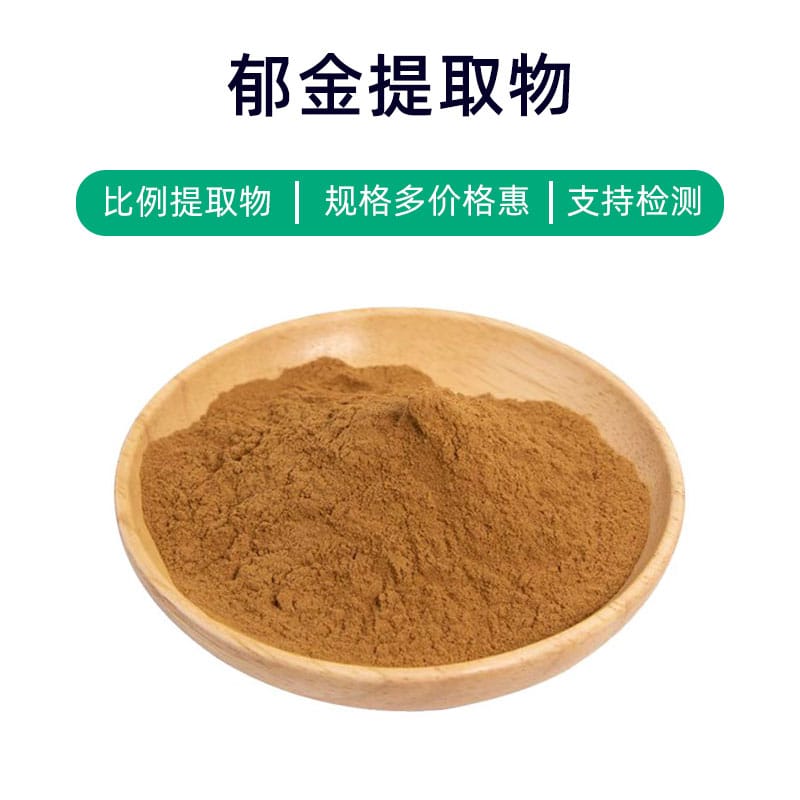
Curcuma extract is a natural plant extract derived from the rhizome of the Curcuma longa plant, primarily containing curcumin. Curcumin is a powerful natural antioxidant with various benefits, including anti-inflammatory, antibacterial, and anti-aging properties.
Curcuma extract is widely used in medicine. Its anti-inflammatory properties can be beneficial for treating conditions like arthritis and inflammatory bowel diseases. Its antioxidant effects help alleviate cellular damage caused by oxidative stress, supporting cardiovascular health and fighting aging. Additionally, it is used to improve liver function and regulate blood lipid and sugar levels.
In the food industry, curcuma extract is often added to various health foods and functional foods to enhance antioxidant capacity and improve digestive health.
Moreover, curcuma extract is commonly utilized in cosmetics. Its properties help condition the skin, reduce pigmentation, and minimize inflammation, making it a popular ingredient in skincare and beauty products aimed at improving skin texture and brightening the complexion.
Overall, curcuma extract is a natural plant-derived ingredient with multiple benefits and applications, extensively used in medicine, food, and cosmetics, providing effective support for health and beauty.
Curcuma Extract Production Process
The production process of curcuma extract generally includes several steps:
- Raw Material Collection and Preparation: The rhizome of the Curcuma longa plant is the primary source for extracting curcumin. Start by selecting fresh rhizomes and performing cleaning and chopping to ensure the quality and cleanliness of the raw material.
- Extraction Process: Extraction is one of the key steps in producing curcuma extract. Common methods include water extraction, ethanol extraction, and supercritical fluid extraction. Water and ethanol extraction are frequently used. The pretreated rhizome is soaked and leached with an appropriate amount of water or ethanol, followed by filtration and concentration to obtain an extract solution containing curcumin.
- Separation and Purification: The resulting extract solution needs to be separated and purified to obtain high-purity curcuma extract. Techniques such as centrifugation, filtration, and membrane separation are typically used for solid-liquid separation, followed by various chromatography techniques (e.g., column chromatography, thin-layer chromatography) for purification to eliminate impurities and enhance product purity.
- Drying and Milling: The purified curcuma extract requires drying, usually using spray drying or vacuum drying methods to convert the extract solution into a powder form. Then, it is milled and sieved to control particle size, ensuring product uniformity and stability.
- Packaging and Storage: The final step is to package the processed curcuma extract, typically using moisture-proof, light-proof, and oxidation-proof materials to maintain the product's stability and activity. Avoid direct sunlight and humid environments during storage to ensure product quality and effectiveness.
This is the general production process of curcuma extract; specific process parameters and operational details may vary according to manufacturer and product specifications.
Curcuma Extract Effects, Benefits, and Side Effects
Curcuma extract is a medicinal herb with significant therapeutic value, with its main functions and effects including:
- Antioxidant Effects: The extract contains rich flavonoids and polyphenols, which have strong antioxidant properties, helping to eliminate free radicals and reduce cellular oxidative damage, protecting overall cell and tissue health.
- Anti-inflammatory and Analgesic: Active components in curcuma extract can suppress inflammatory responses, alleviating symptoms of inflammation and reducing pain associated with conditions such as arthritis and dermatitis.
- Immune Modulation: Curcuma extract contains various active components that can enhance immune function, regulate immune system balance, and improve resistance to infectious diseases.
- Anti-aging: Certain components in curcuma extract promote collagen synthesis and improve skin elasticity, helping to address signs of skin aging like sagging and wrinkles, contributing to delayed skin aging.
- Regulating Blood Sugar and Lipids: Some active components in the extract can regulate blood sugar and lipid levels, aiding in the management of symptoms associated with diabetes and hypertension.
- Anti-tumor: Some studies suggest that certain components of curcuma extract may inhibit specific cancer cells, demonstrating potential anti-tumor effects, although further research is needed to confirm their mechanisms and clinical application.
Despite the numerous benefits of curcuma extract, it is important to note the following:
- Dosage: Use according to the advice of a healthcare professional to avoid adverse reactions from excessive use.
- Allergic Reactions: Some individuals may be allergic to components in curcuma extract; a skin sensitivity test is recommended before use to prevent allergic reactions.
- Avoid Long-Term High-Dose Use: While curcuma extract has many benefits, long-term excessive use may lead to adverse effects; follow medical advice for usage.
In summary, curcuma extract has various benefits, but it is essential to use it sensibly and adhere to medical advice to minimize the risk of adverse reactions.
Curcuma Extract Application Scenarios and Dosages
Curcuma extract is a versatile herbal extract with important applications in medicine, food, and cosmetics.
- Medical Applications:
Curcuma extract is widely used in traditional medicine formulations, helping to regulate bodily functions, detoxify, and relieve swelling and pain. Common usage includes oral administration, topical application, or cooking with other medications. Typical oral doses are 3-9 grams per dose, taken 2-3 times daily. For topical use, apply as needed or prepare a poultice for affected areas. Specific dosages should be determined based on a physician's guidance and medical conditions. - Food Applications:
In the food industry, curcuma extract is typically used as a natural coloring and flavoring agent. It is incorporated into products like sauces, beverages, and candies, providing a vibrant yellow or orange color and distinct aroma. Usage levels depend on product formulations and must comply with national food safety standards. - Cosmetic Applications:
Curcuma extract is commonly used in beauty products like masks and creams. Its antioxidant, anti-inflammatory, and oil-regulating properties make it a favored ingredient. The general method is to add an appropriate amount of extract into the cosmetic formulation, adjusting dosage and frequency based on skin type and usage.
It is essential to follow these principles while using curcuma extract:
- Adhere to the dosage and usage guidelines provided by healthcare professionals and avoid self-adjusting the dosage or frequency.
- For medicinal applications, strictly follow prescriptions and avoid interactions with other medications.
- For food and cosmetic use, choose legitimate products and manufacturers, ensuring quality and safety compliance.
- If any discomfort or allergic reaction occurs during use, discontinue use immediately and seek advice from a healthcare professional.
Overall, curcuma extract presents promising applications in medicine, food, and cosmetics, but careful attentiveness to dosage and safety is critical.
Curcuma Plant Source, Distribution, and Growth Environment
Curcuma (Scientific Name: Curcuma longa) is a perennial herbaceous plant from the ginger family, also known as saffron or turmeric. Its extract is widely used as an important medicinal and flavoring ingredient. Below is a detailed introduction to the plant source of curcuma extract, including its description, distribution, and growth environment:
- Plant Description:
Curcuma is an herbaceous plant characterized by long, robust rhizomes and large leaves, with conical flower clusters featuring bright yellow blooms. The rhizome is the primary source of curcuma extract, rich in active compounds such as curcumin. - Distribution:
Originating from South Asia, particularly India and Sri Lanka, curcuma was later introduced to China and Southeast Asia. Today, it is extensively cultivated, with major production areas including India, China, Thailand, and Vietnam. - Growth Environment:
Curcuma thrives in warm and humid climates and is adaptable to regions below 1500 meters in altitude. It requires fertile, well-drained soil with ample sunlight in suitable climatic conditions, such as warm and humid tropical and subtropical areas. - Cultivation Characteristics:
Being an evergreen herbaceous plant, curcuma has a developed rhizome that facilitates growth and reproduction. It is typically sowed or propagated in the spring, needing sufficient sunlight and adequate moisture while avoiding waterlogging and excessive dryness. - Major Cultivation Regions:
- India: A primary production hub, especially in southern states like Kerala and Karnataka.
- China: Key production areas include Yunnan, Guangxi, and Guangdong, where the climate and soil support curcuma growth.
- Southeast Asian countries such as Thailand and Vietnam also have significant curcuma cultivation to meet domestic and international market demands.
As an essential medicinal and flavoring ingredient, the cultivation area for curcuma extract continues to expand, prompting increased attention to cultivation techniques and quality management to ensure product quality and safety.
Curcuma Extract Processing and Storage
The processing of curcuma extract generally includes the following steps: first, clean and slice the curcuma rhizome, then dry or apply steam treatment, followed by milling and extraction. Finally, through filtration, concentration, and drying, the extract is obtained. During storage, it should be kept in a cool, dry, dark environment, avoiding high temperatures, humidity, and direct sunlight. It is also crucial to prevent contamination from odors and impurities, using suitable sealed containers to ensure product quality and stability.

Monica Sun is a seasoned expert in the plant extraction industry with over a decade of experience in research and production. She specializes in the extraction and purification of plant active ingredients, focusing on driving innovation in natural product applications. Monica has participated in the development of multiple functional plant extracts, delivering high-value natural raw material solutions for the health food, pharmaceutical, and dietary supplement sectors.