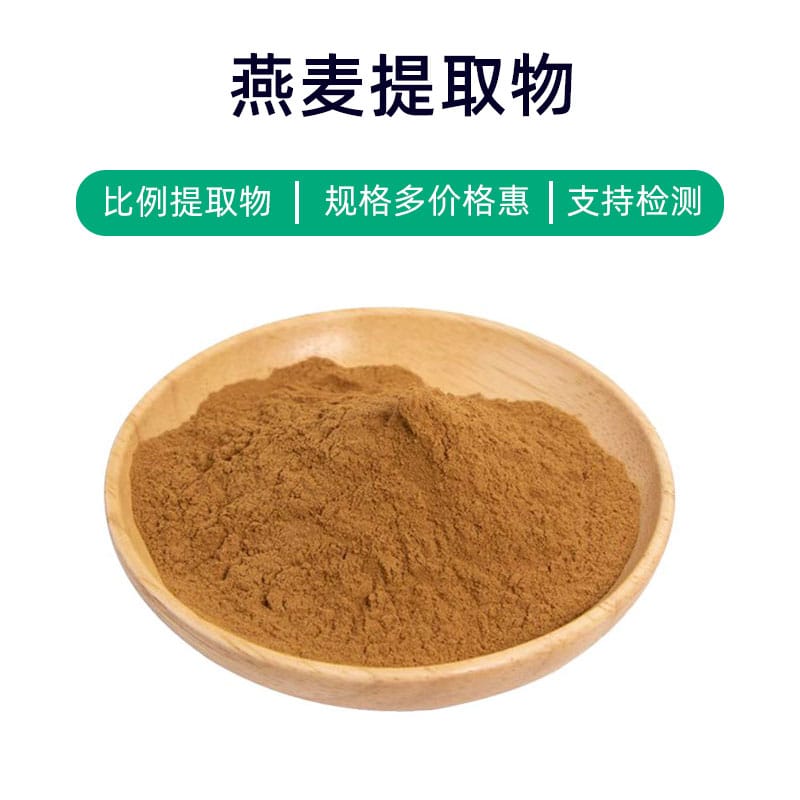



Oat Extract Product Introduction
Oat extract is a natural plant extract derived from the seeds or the plant of oats (Avena sativa). Its main components include oat polysaccharides, proteins, β-glucan, B vitamins, minerals, and antioxidants. Oat extract is widely used in skincare products, hair care products, dietary supplements, and pharmaceuticals.
Oat extract offers a variety of benefits and applications. First, it's rich in polysaccharides and proteins, providing moisturizing and soothing properties for the skin. It can be used in various skincare items like creams, lotions, and masks, helping to improve issues such as dryness and roughness. Additionally, the B vitamins and minerals in oat extract support healthy hair growth, making it a valuable ingredient in shampoos and conditioners, effectively addressing dandruff and enhancing hair shine.
Furthermore, oat extract possesses antioxidant and anti-inflammatory properties, helping to reduce skin inflammation and inhibit free radicals that damage the skin, making it a common ingredient in products for sensitive skin. In the supplement field, oat extract is also used to formulate products aimed at providing nutritional support, promoting digestion, and boosting immunity.
Overall, oat extract, as a natural plant extract, has extensive application prospects in skincare, hair care, and dietary supplements, offering numerous benefits for health and beauty.
Oat Extract Production Process
The production process for oat extract typically includes the following steps:
- Raw Material Preparation: Select high-quality oat seeds or plants, wash and screen them to remove impurities and foreign materials, ensuring quality.
- Extraction: Add the cleaned oat seeds or plants to an appropriate solvent (such as ethanol or water) for soaking. The extraction time and temperature can be adjusted as needed, usually conducted at room temperature.
- Filtration: After extraction, filter the extract using filter paper or mesh to remove solid particles and impurities, obtaining a pure extract.
- Concentration: Concentrate the filtered extract, usually through low-temperature or vacuum concentration methods, gradually evaporating the solvent to obtain oat extract.
- Precipitation and Separation: Treat the concentrated extract to allow impurities and sediments to settle at the bottom, then separate the clear solution from the top layer.
- Drying: Dry the separated solution, typically using spray drying or vacuum drying methods, removing moisture to produce oat extract in powder form.
- Grinding and Screening: Grind and screen the dried extract to ensure that particle size and uniformity meet specifications.
- Packaging: Finally, package the processed oat extract according to customer requirements, usually in sealed containers to prevent moisture or oxidation.
The entire production process requires strict control of conditions and parameters at each stage to ensure the product's quality remains stable and meets relevant standards and regulations.
Oat Extract Effects and Side Effects
Oat extract, derived from oats (scientific name: Avena sativa), has multiple benefits and effects, mainly including the following aspects:
- Antioxidant Properties: Oat extract is rich in antioxidants like polyphenols and vitamins, which help eliminate free radicals, slow down cellular oxidative damage, and protect cells from oxidative stress.
- Anti-inflammatory Effects: Studies suggest that the active components in oat extract have certain anti-inflammatory properties that can inhibit the release of inflammatory mediators, reducing inflammatory responses, and providing supportive effects for inflammatory diseases.
- Anti-aging Benefits: Oat extract contains abundant β-sitosterol and polyphenolic compounds with anti-aging properties, promoting skin cell regeneration, improving skin elasticity, and reducing the appearance of wrinkles and fine lines, helping to maintain youthful, firm skin.
- Moisturization: Rich in polysaccharides and plant proteins, oat extract has excellent moisturizing properties, enhancing the skin's ability to retain moisture, and alleviating dryness for softer, smoother skin.
- Melanin Inhibition: Active components in oat extract can inhibit melanin production, reduce pigmentation, lighten dark spots, and improve uneven skin tone, resulting in a brighter, more uniform complexion.
- Regulating Sebum Secretion: Biologically active components in oat extract can regulate the secretion of sebaceous glands, controlling excess oil production, reducing shine, and improving oily skin issues for a fresh, comfortable feel.
- Reducing Allergic Reactions: Some components in oat extract possess anti-allergic properties, helping to lessen skin sensitivity to external stimuli, easing allergic reactions, and improving conditions for sensitive skin.
Oat extract is generally considered natural and safe; however, some individuals may experience allergic or adverse reactions, such as skin allergies or redness. It is recommended to conduct a patch test before use, and if any discomfort arises, stop using it immediately and consult a healthcare professional.
Oat Extract Application Scenarios and Dosage
Oat extract finds extensive applications in medicines, food, and cosmetics; below are details on its use in different fields:
- Medical Applications:
- Skin Care: Oat extract is commonly used in skincare products for its moisturizing, anti-inflammatory, and antioxidant properties. It can be used as an ingredient in lotions, masks, and toners to address dryness and sensitivity.
- Pharmaceutical Formulations: With rich active compounds like β-sitosterol, oat extract can be used to prepare oral liquids and capsules for managing blood lipid levels, lowering cholesterol, and promoting cardiovascular health.
- Food Applications:
- Cereal Foods: Oat extract can be used in various grain products, including oatmeal, oat porridge, and oat cookies, enhancing nutritional value and improving taste and texture.
- Flavoring Agents: It can also serve as a flavoring additive to improve taste, aroma, and seasoning in food products such as oat flour and oat extract.
- Cosmetics Applications:
- Skincare Products: Oat extract is often incorporated into skincare items such as masks, lotions, and toners for its moisturizing, anti-inflammatory, and antioxidant benefits, aiding in the treatment of dryness and sensitivity.
- Cleansing Products: Oat extract can also be included in facial cleansers such as cleansers and face washes, gently cleansing the skin and removing dirt and makeup residues to keep the skin refreshing.
Dosage Guidelines:
- In Medicine: For use in skincare products, generally follow product instructions, typically applied 1-2 times daily by evenly spreading an appropriate amount on clean skin.
- In Food: When used as a food additive, it should conform to industry standards, with quantity based on the type and purpose of the food, adhering to national food safety standards.
- In Cosmetics: For skincare and cleansing products, follow product guidelines, typically used 1-2 times daily by massaging an appropriate amount onto clean, damp skin and gently rubbing it until absorbed.
Overall, oat extract as a natural plant derivative has broad application prospects in medicine, food, and cosmetics, but it should be used according to product instructions and actual needs to ensure safety and efficacy.
Oat Extract Source Plant Information, Distribution, and Growth Environment
Oats (scientific name: Avena sativa) are an important cereal crop, belonging to the grass family and one of the earliest cultivated crops by humans. Below are detailed information about the source plant of oat extract, its distribution, and growth environment:
- Plant Information:
- Oats are annual or biennial herbaceous plants, typically growing 50 to 120 centimeters tall, with wide, flat leaves and erect stems. Their characteristic flower spike differentiates them from other cereals, forming a conical shape with many small flowers on top.
- The root system of oats is well-developed, facilitating nutrient absorption from the soil, and allowing resilience against drought and cold. Their sturdy stems and leaves adapt to growth in various climatic conditions.
- Distribution:
- Oats are native to the Mediterranean region and primarily found in Europe, Asia, and North Africa. Globally, oats are widely cultivated in temperate and cold regions.
- Due to their broad adaptability to different soil and climatic conditions, oats are cultivated worldwide, including regions in North America, South America, and Oceania.
- Growth Environment:
- Soil: Oats prefer well-drained neutral to slightly alkaline soils, requiring low fertility but thriving in fertile loamy soils.
- Climate: Oats are highly adaptable, favoring sunny environments, with optimal growth temperatures ranging from 15°C to 25°C, possessing certain resistance to cold and drought.
- Moisture: Oats thrive in humid climates but can adapt to drier conditions, needing ample water supplies during their growth period.
Overall, oats, as an important crop, are widely cultivated worldwide, demonstrating strong adaptability to various soils and climatic conditions. Their rich nutritional value and diverse uses make them an essential crop in daily life.
Oat Extract Processing and Storage
The processing of oat extract typically includes the following steps: first, wash and dehusk the oat grains, then grind them into powder or granules. Next, using suitable extraction methods (such as water extraction or ethanol extraction), the effective components from the oats are extracted. Finally, through processes such as concentration, filtration, and drying, oat extract is manufactured into the final product.
In terms of storage, oat extract should be kept in a cool, dry environment, away from direct sunlight and high temperatures. Additionally, ensure that the container is well-sealed to prevent moisture and impurities from entering. It is advisable to avoid prolonged exposure to air to maintain product quality. Proper storage methods can extend the shelf life of oat extract and preserve the stability of its active components.

Monica Sun is a seasoned expert in the plant extraction industry with over a decade of experience in research and production. She specializes in the extraction and purification of plant active ingredients, focusing on driving innovation in natural product applications. Monica has participated in the development of multiple functional plant extracts, delivering high-value natural raw material solutions for the health food, pharmaceutical, and dietary supplement sectors.