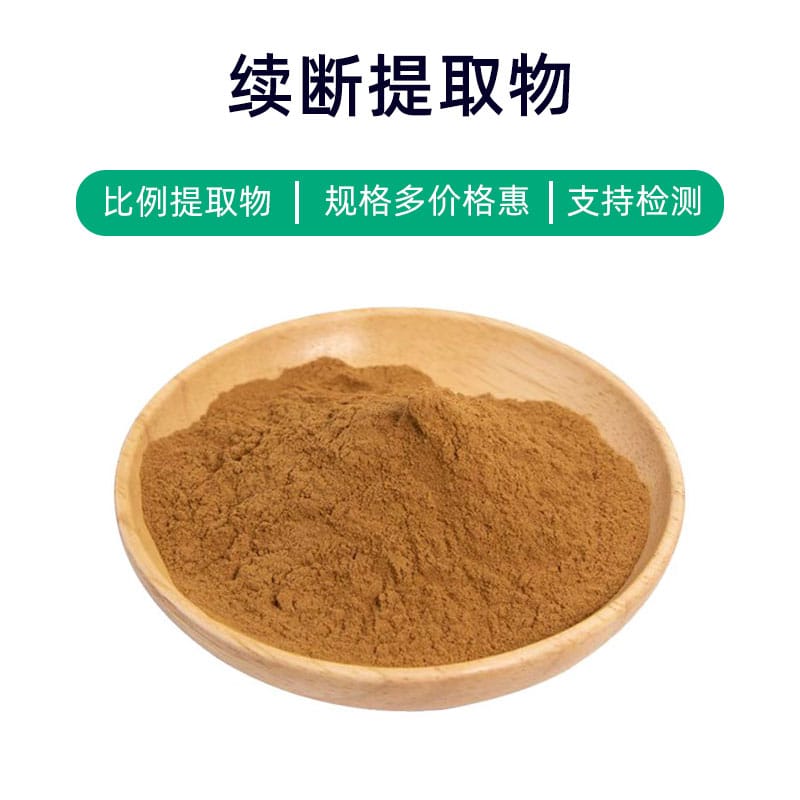



Introduction to Continuation Extract
Continuation Extract is a powder made from a blend of various plant extracts, primarily composed of polyphenols, flavonoids, and other active compounds. This extract exhibits multiple benefits, including antioxidant, anti-inflammatory, and anti-aging properties. Due to its rich active ingredients, Continuation Extract is extensively employed in the fields of pharmaceuticals, health supplements, and cosmetics.
First and foremost, Continuation Extract has significant antioxidant properties that can neutralize free radicals, slow down cellular oxidation, and help maintain healthy cell functions. Additionally, it demonstrates anti-inflammatory effects, alleviating inflammation and discomfort. Moreover, Continuation Extract has anti-aging characteristics, promoting collagen synthesis, reducing skin wrinkles and sagging, and helping to maintain youthful skin.
In the pharmaceutical field, Continuation Extract is commonly used in formulating antioxidant and anti-inflammatory medications to treat diseases related to oxidative stress and inflammation. In the health supplement area, it is created into oral supplements or nutritional aids designed to boost immunity and improve skin condition. In cosmetics, this extract is frequently included in skincare products like creams and serums, offering anti-aging and antioxidant benefits that enhance skin texture and delay aging.
Manufacturing Process of Continuation Extract
The production process of Continuation Extract generally involves the following key steps:
- Raw Material Preparation: Select high-quality plant materials for the extract, typically including those with antioxidant and anti-inflammatory properties, such as grape seeds, green tea, and white tea. Raw materials must undergo rigorous selection and inspection to ensure they meet quality standards.
- Grinding and Pre-treatment: Selected plant materials are ground and pre-treated to increase extraction efficiency. This step often includes grinding and drying processes to make the raw materials easier to extract active ingredients.
- Extraction Process: Use appropriate extraction techniques to obtain active ingredients from the plant materials. Common extraction methods include aqueous, alcoholic, and supercritical fluid extraction. During extraction, it's essential to control temperature, time, and solvent concentration to ensure optimal extraction effects and product quality.
- Concentration and Purification: The extracted liquid is concentrated and purified to remove impurities and solvents, yielding a high-purity extract. This step typically involves evaporative concentration and solvent recovery.
- Drying and Milling: The concentrated extract undergoes drying to transform into a powder. Common drying methods include spray drying and vacuum drying. It is then milled to achieve suitable particle size.
- Packaging and Storage: The completed Continuation Extract is packaged, usually in sealed containers to prevent oxidation and moisture absorption. During storage, it should be kept away from light and humidity.
Effects and Side Effects of Continuation Extract
Continuation Extract is a common natural plant extract with various benefits, primarily including:
- Antioxidant Effects: Rich in antioxidants such as polyphenols and vitamin C, helping to neutralize free radicals and reduce oxidative stress on cells, promoting cellular health and delaying aging.
- Anti-inflammatory Properties: Active components in the extract exhibit anti-inflammatory effects, inhibiting the occurrence and development of inflammation and alleviating pain and discomfort associated with inflammatory diseases.
- Skin Protection: It offers excellent skin protective effects and is used in skincare products to help maintain skin moisture balance, enhance barrier function, and reduce damage from environmental factors.
- Improvement in Sleep Quality: Active ingredients in the extract regulate the nervous system, relieve tension, and improve sleep quality, aiding in the alleviation of insomnia and anxiety.
- Antimicrobial Effects: Some components have antimicrobial properties, making them useful in oral care products to help prevent the onset and progression of oral diseases.
Continuation Extract is generally considered safe due to its natural origin, but individual differences and allergic reactions should be taken into account. It’s important to follow the guidance of healthcare professionals, avoid excessive use to prevent adverse reactions, and refrain from using it if allergic to any of its components. If any discomfort arises, discontinue use and seek medical attention.
Application Scenarios and Dosage of Continuation Extract
Continuation Extract finds widespread use in pharmaceuticals, food, and cosmetics, with dosage varying based on application and product type. Here are the main applications and recommended dosages across different fields:
- Pharmaceutical Field:
- Application: Often used in traditional medicine formulations to improve cardiovascular health, reduce inflammation, and enhance immunity. It can also be prepared into oral liquids, capsules, and tablets.
- Dosage: Generally recommended to follow the guidance of a doctor or product instructions, typically suggesting a daily dose of 100-500 mg, with specific amounts adjustable based on individual conditions.
- Food Industry:
- Application: Can be used as a food additive to enhance nutritional value and functionality, such as in health supplements, functional beverages, and balanced nutritional foods.
- Dosage: Usually added according to food processing and formula requirements, typically recommended at 0.1%-0.5% of the total product formulation.
- Cosmetic Field:
- Application: Commonly included in skincare and beauty products, offering antioxidant, moisturizing, and anti-inflammatory benefits suitable for all skin types.
- Dosage: Depending on the product type and benefits, it can be incorporated into creams, serums, and masks. It is generally recommended for use 1-2 times a day, with amounts varying based on formulation and intended effects.
- Other Applications:
- Continuation Extract can also be used in oral care products and daily chemical items like toothpaste, shampoos, and body washes, providing antimicrobial, anti-inflammatory, and soothing effects.
It is crucial to purchase Continuation Extract through reputable channels and adhere to product directions or professional advice to avoid excessive use and misuse. Additionally, individuals with known allergies to any extract components should exercise caution, monitoring for any allergic or adverse symptoms, and seek medical advice if issues arise.
Source Plants of Continuation Extract: Introduction, Distribution, and Growth Environment
Continuation Extract is derived from a perennial herb known as purslane (scientific name: Portulaca oleracea). Below is detailed information regarding the plant's introduction, distribution, and growth environment:
Plant Introduction:
Purslane, also known as verdolaga, pigweed, or duckweed, is a perennial herb native to Eurasia, Africa, and Australia. Its fleshy leaves are lanceolate or oval, smooth on the surface, with purple undersides, and rich in oxalic acid, vitamin C, and other nutrients.
Distribution:
Purslane is widely distributed worldwide, flourishing particularly in warm and dry climates. In China, it can be found in various regions, primarily in Jiangsu, Anhui, Henan, Hebei, Shandong, Shaanxi, Sichuan, and Guizhou.
Growth Environment:
- Climate: Purslane prefers warm, humid climates but can also adapt to drought and high temperature environments, requiring ample sunlight.
- Soil: It is highly adaptable to soil types, favoring well-drained, fertile sandy loam or loamy soil.
- Sunlight: Sufficient sunlight is crucial for purslane growth, aiding leaf development and nutrient accumulation.
- Humidity: Purslane appreciates higher air humidity but can tolerate lower humidity conditions.
Growth Characteristics:
Purslane grows quickly and is drought-resistant with good adaptability. It is often found along field edges, roadsides, wastelands, and gardens. Its reproduction capacity is strong, capable of propagating through seeds as well as stem cuttings and division. Under suitable growth conditions, purslane can grow multiple times a year, typically from spring to autumn.
In summary, purslane serves as the plant source for Continuation Extract, with a broad growth range, strong adaptability, and a growth environment characterized by warm, humid climates, fertile soil, and ample sunlight, providing an excellent basis for its cultivation as an important plant resource.
Processing and Storage of Continuation Extract
The processing of Continuation Extract involves several key steps, including harvesting, cleaning, drying, grinding, and extraction. Initially, fresh purslane is cleaned to remove impurities, followed by drying until appropriate moisture levels are reached. The dried material is then ground to facilitate extraction. Finally, appropriate extraction methods (such as aqueous or alcoholic extraction) are employed to obtain the Continuation Extract. During storage, it should be kept in a dry, cool, and ventilated environment, avoiding direct sunlight and moisture to ensure quality and stability.

Monica Sun is a seasoned expert in the plant extraction industry with over a decade of experience in research and production. She specializes in the extraction and purification of plant active ingredients, focusing on driving innovation in natural product applications. Monica has participated in the development of multiple functional plant extracts, delivering high-value natural raw material solutions for the health food, pharmaceutical, and dietary supplement sectors.