


Perilla Extract Product Introduction
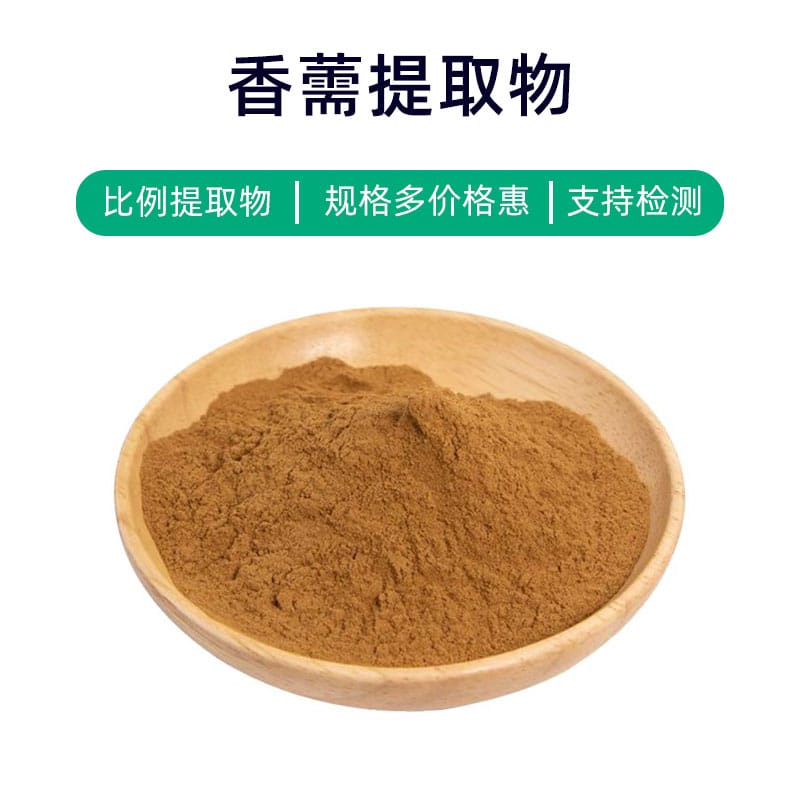
Perilla extract is a natural plant extract obtained from the perilla plant, primarily composed of volatile oils, flavonoids (such as perillaldehyde and perillaketone), and polysaccharides. It possesses various benefits including antioxidant, anti-inflammatory, and antibacterial properties. Due to its rich active components, perilla extract is widely applied in the fields of food, health products, and cosmetics.
First, perilla extract exhibits significant antioxidant effects, capable of neutralizing free radicals and slowing down cellular aging, contributing to the maintenance of healthy skin and body. Additionally, perilla extract demonstrates good anti-inflammatory properties, alleviating inflammatory responses and reducing skin sensitivity and discomfort, making it suitable for skincare products addressing various skin issues. Furthermore, perilla extract has certain antibacterial effects and can be applied in oral care products and preservatives to help maintain oral cleanliness and health.
In the pharmaceutical sector, perilla extract is often used as an herbal material for preparing various traditional Chinese medicine formulations, such as granules and capsules, to treat respiratory diseases and digestive system issues. In the food industry, it can be used as a natural flavoring agent and health supplement additive, enhancing the taste and nutritional value of foods. In cosmetics, perilla extract is commonly found in skincare and personal care products, improving skin texture, soothing discomfort, and enhancing the overall quality of the products.
In summary, as a natural plant extract, perilla extract has various benefits and application scenarios, with promising prospects in the pharmaceutical, food, and cosmetic industries.
Perilla Extract Production Process
The production process of perilla extract typically involves the following main steps:
- Raw Material Collection and Preparation: Fresh perilla plants are selected for extraction. These plants are usually harvested during the growing season and must be of high quality, free from obvious pests and diseases. After collection, the perilla is washed and initially processed to remove impurities and external dirt.
- Extraction Process: Common extraction methods for perilla extract include steam distillation and ultrasonic extraction. In steam distillation, the perilla plant is placed in an extraction kettle, where the active components are extracted using steam. The ultrasonic extraction method uses ultrasonic waves to release active components from the plant.
- Concentration and Separation: The extract obtained needs to be concentrated, typically using vacuum concentration or distillation methods. Subsequently, separation techniques (such as extraction, coagulation, etc.) are used to isolate the target components from other impurities, yielding pure perilla extract.
- Filtration and Purification: The concentrated and separated extract must be filtered to remove residual solid particles and impurities. Then, techniques like chromatography can be used for further purification to enhance the product's purity and active component content.
- Drying and Milling: Finally, the extracted liquid undergoes drying, usually through spray drying or vacuum drying, converting it into powdered or granular form. Afterwards, the dried product is milled or ground to achieve the desired particle size requirements.
- Packaging and Storage: The final product is packaged and sealed after passing quality inspection. Common packaging methods include aluminum foil bags and plastic bottles. It should be stored in a cool, dry, and well-ventilated environment to ensure product quality and stability.
Benefits and Side Effects of Perilla Extract
Perilla extract is a commonly used herbal plant extract with various benefits, primarily including the following aspects:
- Antibacterial and Anti-Inflammatory: Rich in volatile oils and aldehydes, perilla extract has strong antibacterial and anti-inflammatory effects, useful for treating skin infections and oral inflammations.
- Antioxidant: With abundant polyphenolic compounds, perilla extract exhibits good antioxidant activity, capable of neutralizing free radicals, delaying aging, and protecting cell health.
- Pain Relief and Muscle Relaxation: Perilla extract has analgesic and muscle-relaxing properties, helpful in alleviating headaches, joint pain, and muscle soreness.
- Digestive Aid: Perilla extract promotes gastrointestinal peristalsis, enhances digestive fluid secretion, assisting digestion and alleviating issues like indigestion and bloating.
- Anti-Inflammatory and Antibacterial: The active components in perilla extract have certain inhibitory effects on bacteria, fungi, and viruses, applicable for treating respiratory infections and skin inflammations.
- Immune Regulation: Perilla extract helps regulate immune system functions, enhancing the body’s resistance to colds and flu.
- Improves Sleep: With calming effects, perilla extract can alleviate anxiety and insomnia, improving sleep quality.
- Anti-Allergic: Certain components within perilla extract exhibit anti-allergic properties, helpful in alleviating symptoms of allergic rhinitis and skin allergies.
Perilla extract is generally considered a natural plant extract with minimal side effects, but individual differences and allergic reactions should be noted. Long-term or high-dose usage may lead to skin allergies or digestive issues, so it is advisable to use under medical guidance and adhere to proper dosages. If discomfort occurs, stop using it immediately and consult a healthcare professional.
Application Scenarios and Dosage of Perilla Extract
Perilla extract has a wide range of applications in pharmaceuticals, food, and cosmetics. Its main application scenarios and recommended dosages are as follows:
- Pharmaceuticals:
- Oral Care: Used in oral care products like toothpaste and mouthwash, perilla extract provides antibacterial and anti-inflammatory benefits. It is generally recommended to use an appropriate amount, swishing and then spitting it out.
- Skin Care: Incorporated in skincare products like anti-inflammatory creams and gels, it helps alleviate skin redness and inflammation. Apply to affected areas 2-3 times daily, as needed.
- Respiratory Health: Perilla extract can be used in preparing cough syrups and oral liquids for respiratory health, helping to relieve coughs and sore throats. Typically, adults take 5-10 ml per dose, 2-3 times a day.
- Food:
- Seasoning: Perilla extract can be utilized as a food seasoning, added to products like tea, candies, and pastries to impart a fresh aroma. Dosage generally depends on the specific product formulation, ensuring not to exceed recommended amounts.
- Health Supplements: Used in the formulation of oral health products like liquids and capsules, benefiting immune regulation and antioxidant properties. Use as per product instructions or medical advice without exceeding recommended dosages.
- Cosmetics:
- Skincare Products: Applied in products such as creams, lotions, and masks, perilla extract offers anti-inflammatory, calming, and astringent effects, suitable for sensitive and oily skin. Dosage according to product formulation requirements.
- Makeup Products: Incorporated in makeup items like foundations, lipsticks, and eyeshadows, it imparts a light fragrance and possesses certain antibacterial and soothing effects. Dosage typically follows product instructions.
Overall, perilla extract is widely used in pharmaceuticals, food, and cosmetics, but dosages should be determined based on specific product formulations and guidelines to prevent overuse or exceeding recommended amounts. If discomfort arises during use, discontinue and seek advice from healthcare professionals.
Overview of the Perilla Plant, Distribution, and Growth Environment
Perilla (scientific name: Mentha haplocalyx Briq.), also known as red perilla, mint perilla, and Korean perilla, is a perennial herb belonging to the mint family. Here’s an overview of the perilla plant from which the extract is sourced, including its distribution and growth environment:
- Plant Characteristics:
- Perilla plants typically grow to a height of 30-100 cm and have a strong aromatic scent.
- Leaves are opposite, oval to ovate-lanceolate with finely serrated edges; the upper surface is smooth while the underside is slightly hairy.
- The inflorescences are axillary, with terminal ones often appearing spike-like, featuring small, dense flowers that range from purplish-red to light purple.
- Distribution Range:
- Perilla is native to North China, Central China, East China, Southwest China, and Northeast China, primarily distributed in provinces and regions such as Liaoning, Hebei, Shanxi, Shaanxi, Gansu, Sichuan, Yunnan, Hubei, Jiangsu, and Zhejiang.
- It is also cultivated in other countries and regions, including the Korean Peninsula and Japan.
- Growth Environment:
- Perilla prefers to grow in moist, sunny environments, thriving at temperatures usually between 15-30 degrees Celsius.
- It is not very particular about soil types but favors loose, well-drained sandy loams or loamy soils.
- Perilla is frequently found in fields, along roads, by streams, and on hillsides, where well-established plants often create dense patches.
- Cultivation and Harvesting:
- Perilla is generally propagated by seeds or division and can also be multiplied through cuttings.
- Harvesting usually involves cutting the entire plant, which includes leaves, stems, and inflorescences, for fresh use or drying to produce dried products.
As a medicinal and flavoring plant, the extract of perilla has extensive applications in pharmaceuticals, food, and cosmetics. Understanding its growth environment and distribution aids in the scientific and rational cultivation and harvesting, ensuring the quality and yield of the extract.
Processing and Storage of Perilla Extract
The processing of perilla extract typically includes the following steps: after harvesting, the perilla is washed, impurities are removed, and it is dried before undergoing extraction processes such as water or alcohol extraction to ultimately yield perilla extract. To ensure extract quality, appropriate processing techniques and equipment should be employed, and strict control over temperature, humidity, and timing throughout the process is essential.
In terms of storage, perilla extract should be kept in a cool, dry, and well-ventilated location, avoiding direct sunlight and humid environments. It is best to use sealed containers or bags to store the extract in a light-protected space to prevent the effects of light and air. Additionally, the extract's quality should be routinely checked, and contact with harmful chemicals should be avoided to ensure its stability and safety.

Monica Sun is a seasoned expert in the plant extraction industry with over a decade of experience in research and production. She specializes in the extraction and purification of plant active ingredients, focusing on driving innovation in natural product applications. Monica has participated in the development of multiple functional plant extracts, delivering high-value natural raw material solutions for the health food, pharmaceutical, and dietary supplement sectors.