


Introduction to Xishuguo Extract
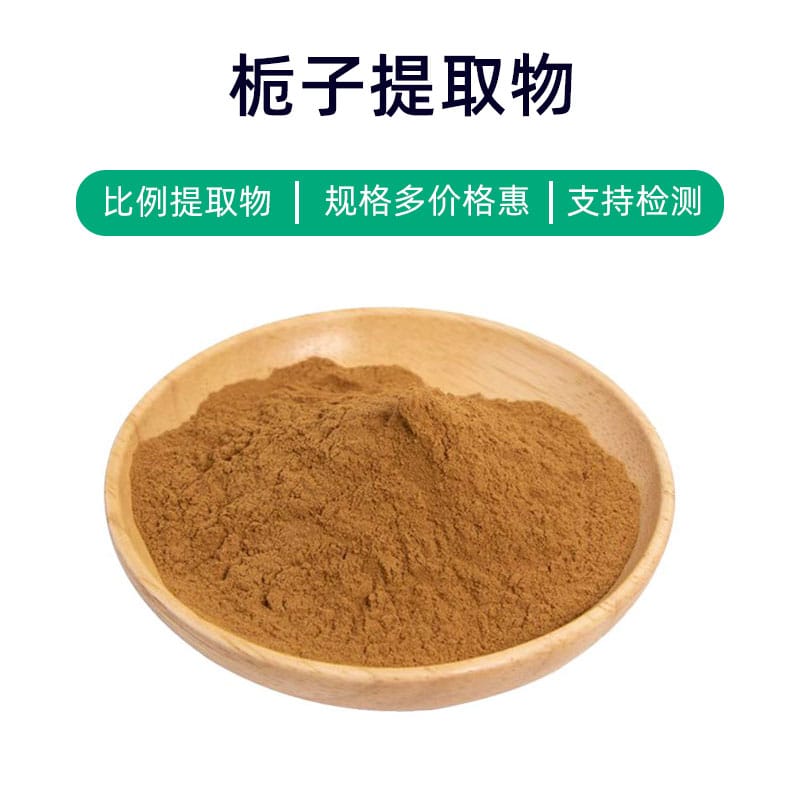
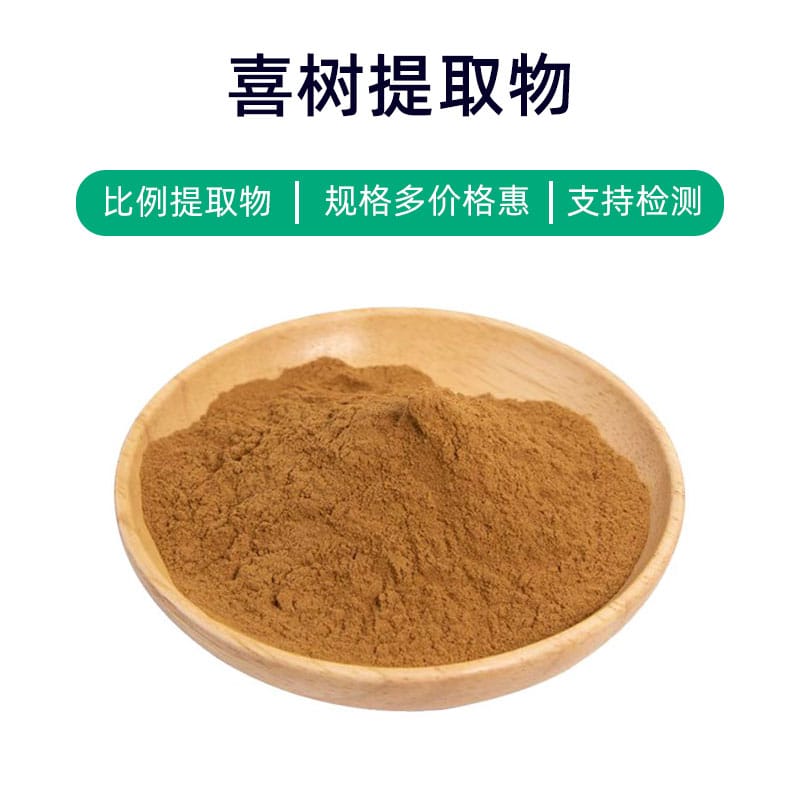
Xishuguo Extract is a natural plant extract derived from the fruits of the Xishu tree, primarily composed of polysaccharides, flavonoids, and other compounds. It is extensively utilized in medicine, dietary supplements, food, and cosmetics.
The polysaccharides among the main components exhibit various biological activities, including immune enhancement, antioxidant, and anti-inflammatory effects. Flavonoids are known for their antibacterial, antiviral, and anti-cancer properties. The combined effects of these components make Xishuguo Extract versatile across multiple fields.
In the medical field, Xishuguo Extract is used to prepare traditional Chinese medicine formulations, including granules, capsules, and oral liquids, aimed at enhancing immunity, regulating blood sugar, and improving blood circulation. In the dietary supplement sector, it serves as an ingredient for wellness products designed to boost immunity and combat fatigue.
In the food industry, Xishuguo Extract is often added to functional foods such as beverages, candies, and yogurt, enhancing their nutritional value and functionality. In cosmetics, it is frequently included in skincare products, masks, and shampoos for its moisturizing, antioxidant, and anti-aging benefits.
Overall, as a natural plant extract, Xishuguo Extract boasts multiple benefits and a promising application landscape, garnering significant attention in the pharmaceutical, dietary supplement, food, and cosmetic industries.
Production Process of Xishuguo Extract
The production process of Xishuguo Extract includes the following key steps:
- Raw Material Preparation: Fresh, ripe Xishu fruits are selected as raw materials. These fruits undergo strict sorting and washing to ensure quality and safety.
- Grinding: The cleaned Xishu fruits are pitted and crushed using grinding equipment to produce small particles, facilitating subsequent extraction.
- Solvent Extraction: The ground Xishu fruit particles are mixed with an appropriate solvent (such as water or ethanol) and extracted under specified temperature and time conditions. The solvent efficiently extracts the active components from the fruit.
- Concentrated Extract: The extracted liquid is filtered and concentrated to remove excess solvent and moisture, yielding a concentrated extract.
- Refining: The concentrated extract undergoes refinement processes, including precipitation, filtration, and freeze-drying, to enhance purity and stability.
- Packaging: The refined extract is packaged in sealed aluminum foil bags or plastic bottles to prevent moisture and oxygen ingress, preserving product stability and the integrity of active ingredients.
- Quality Inspection: Finished products undergo quality checks for appearance, content, and purity to ensure compliance with relevant quality standards.
- Storage and Transportation: Finally, products that pass quality inspection are labeled, packaged, and stored or transported properly to prevent contamination and damage, maintaining good quality and stability.
The above outlines a general production process for Xishuguo Extract, with variations possible depending on the manufacturer's technology and equipment.
Efficacy and Side Effects of Xishuguo Extract
As a natural plant extract, Xishuguo Extract possesses various effects and benefits in medicine, food, and cosmetics, including:
- Antioxidant Effects: Rich in natural antioxidants like polyphenols and vitamin C, Xishuguo Extract neutralizes free radicals, reducing oxidative stress on cells and promoting cell health.
- Anti-inflammatory Effects: Studies suggest that active components in Xishuguo Extract have anti-inflammatory properties that alleviate inflammatory responses and discomfort, improving skin inflammation and pain.
- Regulation of Blood Sugar and Lipids: Certain compounds in Xishuguo Extract are believed to help regulate blood sugar and lipid levels, potentially preventing cardiovascular diseases.
- Immune Enhancement: Packed with vitamins and minerals, Xishuguo Extract boosts the immune system, increasing resilience against infections and diseases.
- Beauty and Skin Care: Widely used in cosmetics, Xishuguo Extract provides moisturizing, anti-aging, whitening, and spot-reducing benefits, enhancing skin texture and reducing wrinkles and blemishes.
- Digestive Promotion: High in dietary fiber and digestive enzymes, Xishuguo Extract promotes intestinal peristalsis, improves digestion, and alleviates issues like constipation and indigestion.
- Antibacterial Effects: Research indicates that Xishuguo Extract has antibacterial and antifungal effects, inhibiting the growth of pathogenic microorganisms and preventing infections.
Currently, there are no clear research results indicating serious side effects from Xishuguo Extract. However, individuals may experience allergic reactions, such as skin itching or swelling, so caution is advised based on individual sensitivities. If discomfort occurs, usage should be halted immediately, and medical advice sought.
In summary, Xishuguo Extract, as a natural plant extract, exhibits a variety of benefits and has widespread application potential in medicine, food, and cosmetics.
Applications and Dosage of Xishuguo Extract
Xishuguo Extract has diverse application scenarios and dosages as a natural plant extract in medicine, food, and cosmetics:
- Applications in Medicine:
- Oral Medications: Xishuguo Extract can be used to prepare oral medications such as capsules and tablets for blood sugar regulation, lipid reduction, and immune enhancement.
- Topical Ointments: In traditional Chinese topical ointments, Xishuguo Extract is commonly added for its anti-inflammatory and itch-relief properties.
- Applications in Food:
- Health Foods: Commonly used in health foods, such as oral liquids and nutritional beverages, for immunity enhancement and blood sugar and lipid regulation.
- Functional Foods: Can be added to various functional foods like cookies, beverages, and juices to increase nutritional and functional value.
- Applications in Cosmetics:
- Skincare Products: Often used in skincare items such as creams, lotions, and masks, providing moisturizing, antioxidant, and whitening effects to improve skin texture.
- Hair Care Products: May be included in shampoos and conditioners to protect hair from environmental and chemical damage, maintaining its health and shine.
Dosage Recommendations:
- For Medical Uses: As per doctor’s advice, dosage varies based on patient conditions and age, typically administered 1-3 times a day, with each dose ranging from 5-10 grams.
- For Food Uses: As a health food ingredient, a general recommendation is 5-10 grams daily, adjustable based on individual needs.
- For Cosmetic Uses: As a skincare ingredient, addition should align with product formulation requirements, typically at concentrations of 0.5%-5%.
Usage and dosage should align with product instructions or physician recommendations, particularly in medical applications, to avoid overdosing or misuse. Additionally, in food and cosmetics, adhere to product formulation and be aware of personal allergy history and responses.
Introduction, Distribution, and Growth Environment of the Xishuguo Plant
Xishuguo, scientifically named Elaeagnus angustifolia, belongs to the oleaster family and is also known as narrow-leaved oleaster or bitter jujube. It is a common deciduous shrub or small tree. The following provides an overview of the source plant, distribution, and growth environment of Xishuguo.
- Plant Characteristics:
Xishuguo typically grows as a tree or shrub, reaching heights of 2-7 meters. The crown is umbrella-shaped or conical, with silvery-gray bark and young branches covered in white scales, having small thorns on the lower crown. The leaves are narrow and lanceolate, with shallow serrations, leathery, deep green on top and silvery-white underneath. - Distribution:
Xishuguo originates from the Eurasian continent, widely distributed in Eastern Europe, Siberia, West Asia, Central Asia, and northern and northwestern China. It has also been introduced to regions like North America and Australia. - Growth Environment:
- Soil Requirements: Xishuguo adapts easily to various soil types, thriving in sandy soils, loams, yellow earth, and saline-alkali land.
- Light Conditions: Preferring full sunlight, Xishuguo grows best in well-lit environments.
- Moisture Conditions: It has moderate moisture requirements, tolerating both drought and flooding, but does not thrive in poorly drained soils.
- Climate Conditions: Xishuguo is cold-resistant, adapting successfully to various climates, including cold temperate and dry Mediterranean climates.
- Reproductive Methods:
Xishuguo can reproduce through seeds, cuttings, and division. Seed propagation is its primary method, with seeds harvested and sown once mature.
In conclusion, Xishuguo is a resilient plant capable of thriving in various soil and climatic conditions, widely distributed, primarily in temperate regions of Eurasia, with good adaptability for cultivation in other areas.
Processing and Storage of Xishuguo Extract
The processing of Xishuguo Extract involves several steps: first, harvesting and cleaning the fruits, followed by grinding and extraction, typically using methods like water extraction, alcohol extraction, or supercritical CO2 extraction. The resulting solution undergoes filtration, concentration, and drying to yield the Xishuguo Extract. For storage, it should be kept in a cool, dry, and ventilated area away from direct sunlight and high temperatures to prevent moisture mold and loss of volatile components. The extract should be sealed to avoid exposure to oxygen and humidity, extending its shelf life.

Monica Sun is a seasoned expert in the plant extraction industry with over a decade of experience in research and production. She specializes in the extraction and purification of plant active ingredients, focusing on driving innovation in natural product applications. Monica has participated in the development of multiple functional plant extracts, delivering high-value natural raw material solutions for the health food, pharmaceutical, and dietary supplement sectors.