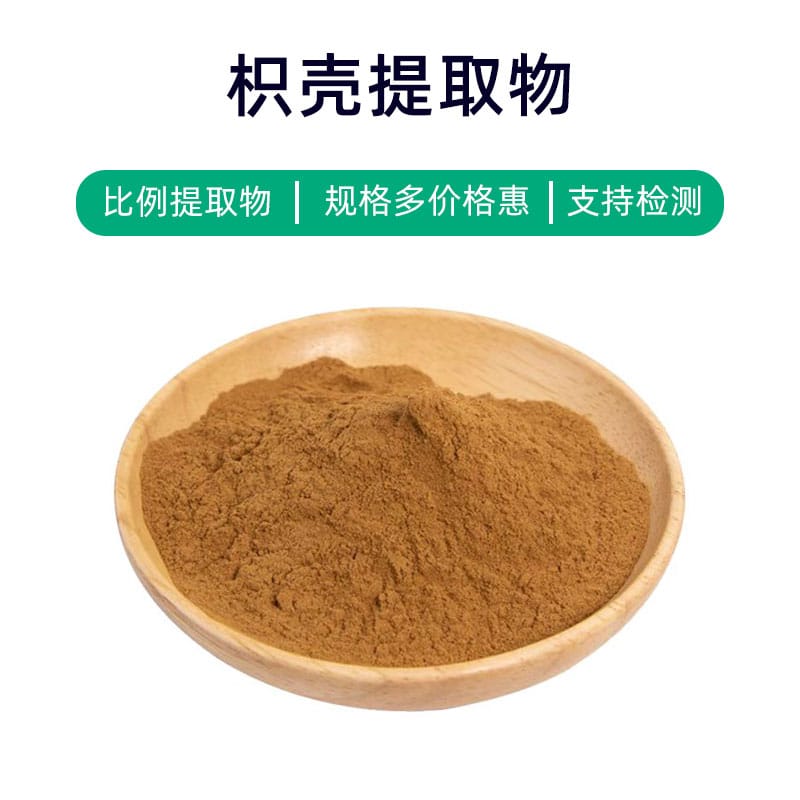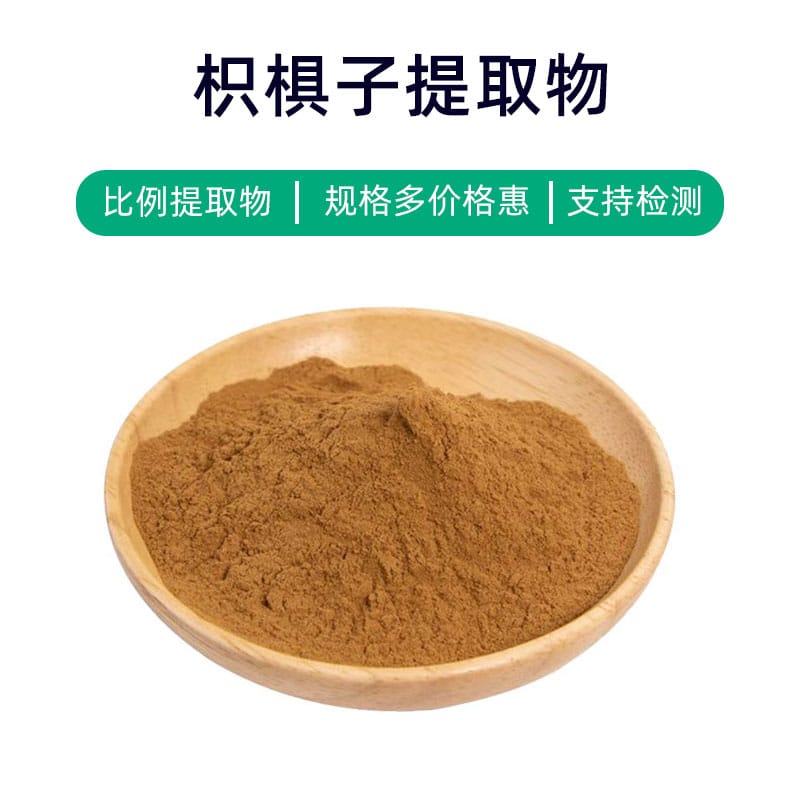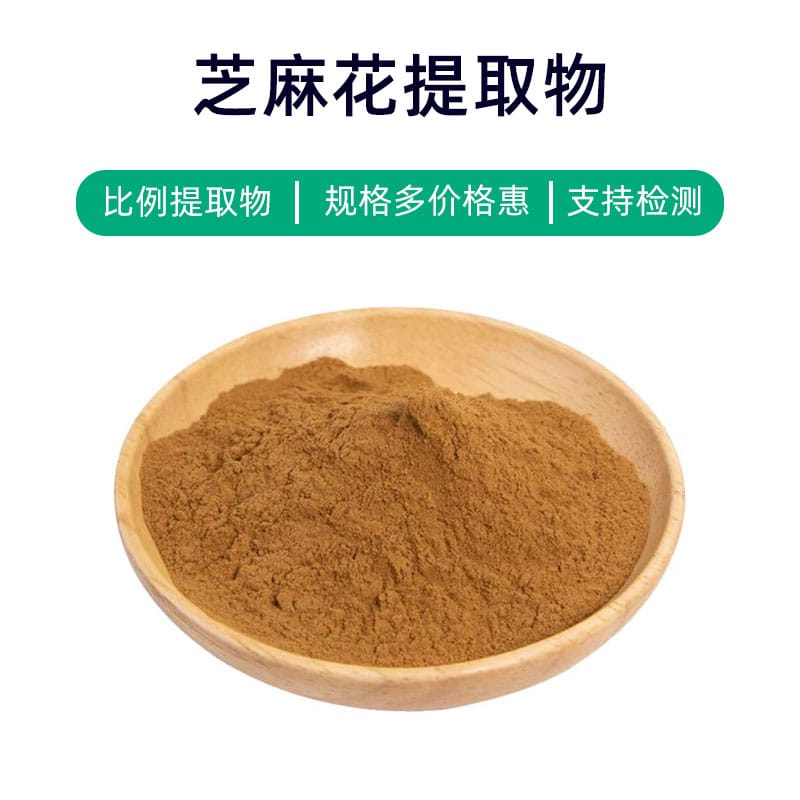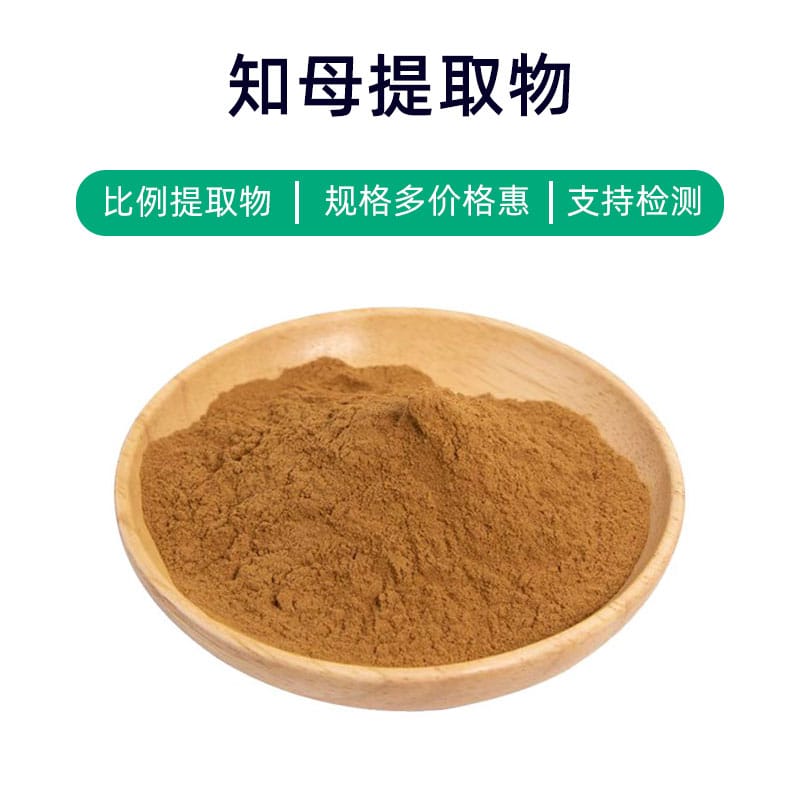
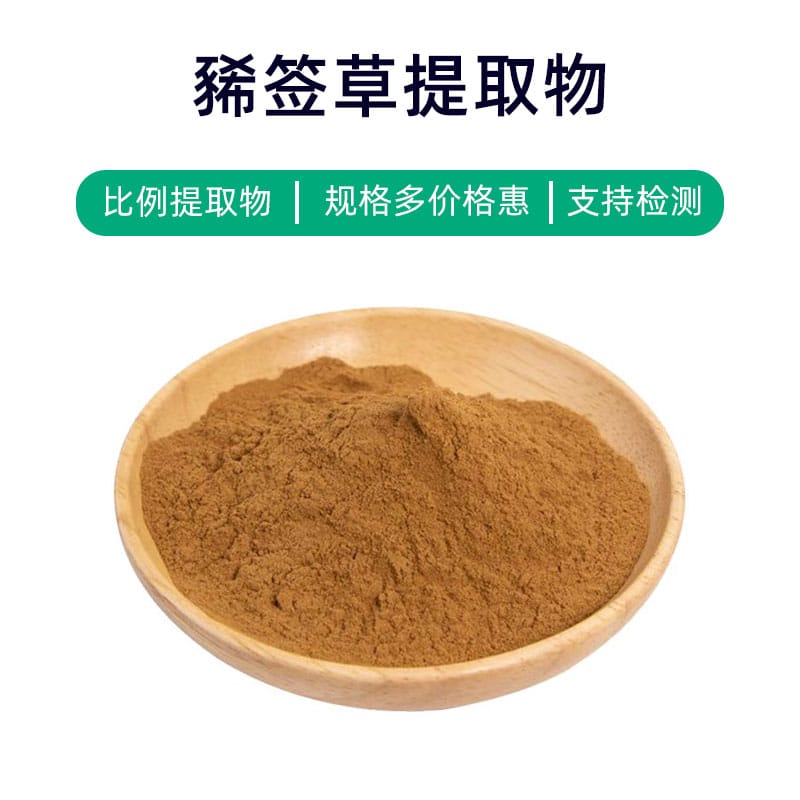



Hedyotis Diffusa Extract Product Overview
Hedyotis Diffusa Extract is a natural herbal extract derived from Hedyotis diffusa, containing various active compounds such as poria alcohol, poria acid, and poria glycosides. These compounds provide the extract with multiple benefits and applications.
First, Hedyotis Diffusa Extract possesses antioxidant properties that can neutralize free radicals in the body, protecting cells from oxidative damage and slowing the aging process. Secondly, it is widely used for its anti-inflammatory effects, helping to suppress inflammatory responses and alleviate related symptoms such as arthritis and dermatitis. Additionally, the extract shows potential in anti-tumor applications, with research indicating it can inhibit the proliferation and metastasis of tumor cells, providing some effectiveness in prevention and adjunct treatment for tumors.
In the pharmaceutical field, Hedyotis Diffusa Extract is commonly used to prepare medications, such as traditional herbal formulas or single herb extracts, for treating inflammatory diseases and tumors. In the health supplement sector, it is often formulated into oral liquids, capsules, or tablets to boost immunity and slow aging. For cosmetics, it is frequently added to skincare products, offering moisturizing, antioxidant, and anti-inflammatory effects that help improve skin texture and reduce inflammation.
In summary, Hedyotis Diffusa Extract is a natural plant extract that offers various benefits, including antioxidant, anti-inflammatory, and anti-tumor effects, with widespread applications in medicine, health supplements, and cosmetics, providing effective support for health and beauty.
Hedyotis Diffusa Extract Production Process
The production process of Hedyotis Diffusa Extract typically includes the following steps:
- Raw Material Collection and Selection: High-quality Hedyotis diffusa is selected as the raw material, usually collected in fresh or dried form. During collection, the plant must be screened to remove impurities and undesirable parts.
- Rough Extraction: The collected Hedyotis diffusa undergoes initial processing, commonly using water or ethanol as a solvent for extraction. Parameters such as extraction time, temperature, and solvent concentration are controlled.
- Concentration of Extract: The herbal extract or solution obtained from the initial extraction is concentrated by removing the solvent, resulting in a concentrated extract. This is usually done through evaporation or vacuum concentration.
- Precipitation and Separation: The concentrated extract undergoes precipitation treatment, where a precipitating agent is added or the pH is adjusted, causing impurities and unwanted components to settle out, yielding a relatively pure extract.
- Filtration and Purification: The precipitated extract is filtered to eliminate sediment and suspended particles, resulting in a clear extract. Further purification and separation may be done using methods like resin adsorption or gel filtration.
- Drying and Grinding: The purified extract is dried to remove moisture, resulting in a dry extract. Then, the dried extract is crushed or ground to achieve the desired particle size.
- Quality Control and Testing: The final extract undergoes quality control and testing, including ingredient content analysis, microbiological testing, and heavy metal detection, to ensure the product meets relevant quality standards and regulatory requirements.
- Packaging and Storage: Finally, the extract is packaged, typically in a sealed format to avoid moisture and oxidation, and stored in a dry, cool, and ventilated place, away from direct sunlight and high temperatures to maintain product stability and quality.
Hedyotis Diffusa Extract Effects and Side Effects
Hedyotis Diffusa Extract is a commonly used herbal material with various effects and functions, primarily including the following aspects:
- Anti-Inflammatory and Antibacterial: Hedyotis Diffusa Extract contains multiple active components with significant anti-inflammatory and antibacterial properties, used to treat skin inflammation, infections, and related issues.
- Pain Relief and Itch Relief: It can alleviate pain and itching, showing effectiveness for conditions such as eczema and urticaria.
- Immune Regulation: The extract can modulate immune system functions, enhancing the body's resistance and helping to prevent infectious diseases.
- Wound Healing Promotion: It promotes wound healing, accelerates recovery from injuries, reduces inflammatory responses, and aids in tissue repair and regeneration.
- Antioxidant: Rich in antioxidant substances, it can clear free radicals and slow cellular aging, contributing to skin health.
- Allergy Response Suppression: The extract has certain anti-allergy effects, alleviating symptoms of allergic conditions such as allergic rhinitis and dermatitis.
- Blood Sugar Regulation: Some studies suggest it may have a blood sugar-lowering effect, offering adjunct treatment for diabetes patients.
- Improved Blood Circulation: The extract can enhance blood circulation and promote microcirculation, aiding in skin nutrition and metabolism.
Despite its various benefits, potential side effects and contraindications should be considered during use. Long-term high-dose usage may cause skin allergies, digestive issues, or other adverse reactions. Consulting a doctor or pharmacist before use is advisable to avoid undesirable effects.
Hedyotis Diffusa Extract Application Scenarios and Dosage
Hedyotis Diffusa Extract is widely used in pharmaceuticals, food, and cosmetics, with its main uses and dosages as follows:
- Applications in the Pharmaceutical Field:
- Topical Ointments: Frequently used in topical ointments to treat skin inflammation, eczema, urticaria, and other dermatological conditions. Generally applied 1-2 times a day with a thin layer, massaged gently until absorbed.
- Oral Medications: Can also be used in oral formulations, like liquid extracts or capsules, for immune adjustment, alleviating allergic reactions, and promoting wound healing. Typically taken according to the prescribed dosage, around 10-20 mL of liquid or 1-2 capsules 2-3 times daily.
- Applications in the Food Sector:
- Health Supplements: Can be used in health foods, possessing antioxidant and immune-regulating functions. Commonly added to health products like capsules and tablets, taken as per product instructions or doctor's advice.
- Applications in Cosmetics:
- Skincare Products: Often incorporated into skincare products for their anti-inflammatory, calming, and antioxidant benefits, suitable for soothing sensitive skin and regulating skin quality. Generally added in concentrations of about 0.5%-5%, used according to product instructions.
- Hair Care Products: Also utilized in shampoos and conditioners to improve scalp conditions and promote hair growth. Should be used according to product instructions, massaged into damp hair before rinsing thoroughly.
- Precautions:
- When using Hedyotis Diffusa Extract, adhere to the instructions on the product label to avoid overuse or prolonged use.
- For oral medications, follow medical advice and be aware of potential adverse effects such as allergic reactions or digestive issues, seeking medical attention for abnormalities.
- For topical ointments and skincare products, discontinue use and wash off immediately if allergic reactions or discomfort occur; consult a doctor if symptoms persist or worsen.
In summary, Hedyotis Diffusa Extract holds significant application value in medicine, food, and cosmetics, but proper usage is crucial to prevent adverse reactions.
Hedyotis Diffusa Source Plant Introduction, Distribution, and Growth Environment
Hedyotis diffusa (Latin name: Siler divaricatum (Thunb. ex Murray) Benth. et Hook.f. ex Hook.f. et Thomson) is a perennial herbaceous plant belonging to the family Rubiaceae, with the following details on its source plant, distribution, and growth environment:
Source Plant Introduction:
Hedyotis diffusa features a robust rhizome and can grow 30-100 cm tall, often sprawling. Its leaves are compound, pinnately arranged, with 3-5 lobes per leaflet, and it produces small yellowish-white flowers, blooming in summer.
Distribution:
It is widely distributed, primarily growing in China, Japan, Korea, the Russian Far East, and Southeast Asia. In China, it is mainly found in regions like North China, East China, Central China, and South China, with common growth in provinces such as Hubei, Hunan, Sichuan, and Yunnan.
Growth Environment:
Hedyotis diffusa thrives in warm, humid conditions, commonly found on hillsides, grasslands, forest edges, roadsides, and near streams. It is not highly demanding of soil, showing strong adaptability to grow in loose, well-drained soils in sunny environments, typically found in mountainous and hilly areas below 1000 meters in elevation.
Growth Characteristics:
This plant grows rapidly with strong vitality, typically found in natural outdoor environments. Its robust rhizome allows for quick growth and spread, forming dense clumps of grass. Under suitable growth conditions, it flourishes densely and sometimes co-exists with other herbaceous plants.
Adaptability:
Hedyotis diffusa is highly adaptable to various environments, including mountainous, hilly, riverbanks, and forest edges. Its growth period is relatively long, starting in spring and continuing through autumn. Under optimal conditions, it can rapidly reproduce and form extensive grassy areas.
In conclusion, Hedyotis diffusa is a widely distributed and adaptable herbaceous plant primarily found in warm and humid environments, often inhabiting mountainous, hilly, and grassland terrains in China and Southeast Asia, demonstrating strong vitality and growth capabilities.
Hedyotis Diffusa Extract Processing and Storage
The processing of Hedyotis Diffusa Extract mainly involves the following steps: First, collect fresh Hedyotis diffusa, performing initial cleaning and treatment to remove impurities and contaminants. Then, the cleaned Hedyotis diffusa is dried or preserved by freezing to maintain its quality. Next, an appropriate extraction method (such as aqueous or alcoholic extraction) is employed to extract active components from the plant. Finally, filtration, concentration, and drying processes yield the finished Hedyotis Diffusa Extract. For storage, the extract should be kept in a dry, cool, and ventilated environment, avoiding direct sunlight and high temperatures to ensure its quality and stability.

Monica Sun is a seasoned expert in the plant extraction industry with over a decade of experience in research and production. She specializes in the extraction and purification of plant active ingredients, focusing on driving innovation in natural product applications. Monica has participated in the development of multiple functional plant extracts, delivering high-value natural raw material solutions for the health food, pharmaceutical, and dietary supplement sectors.