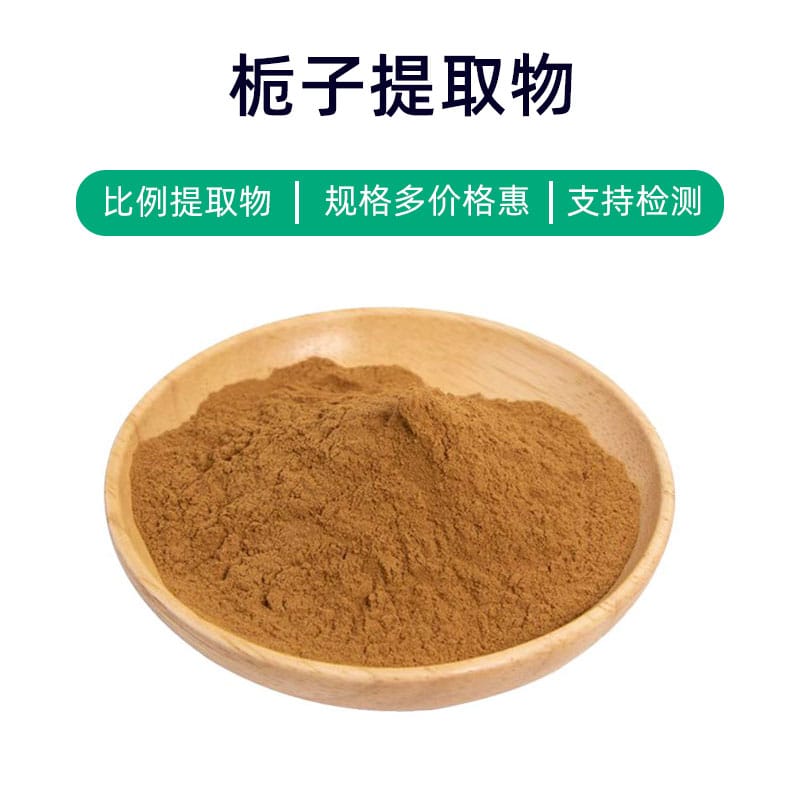
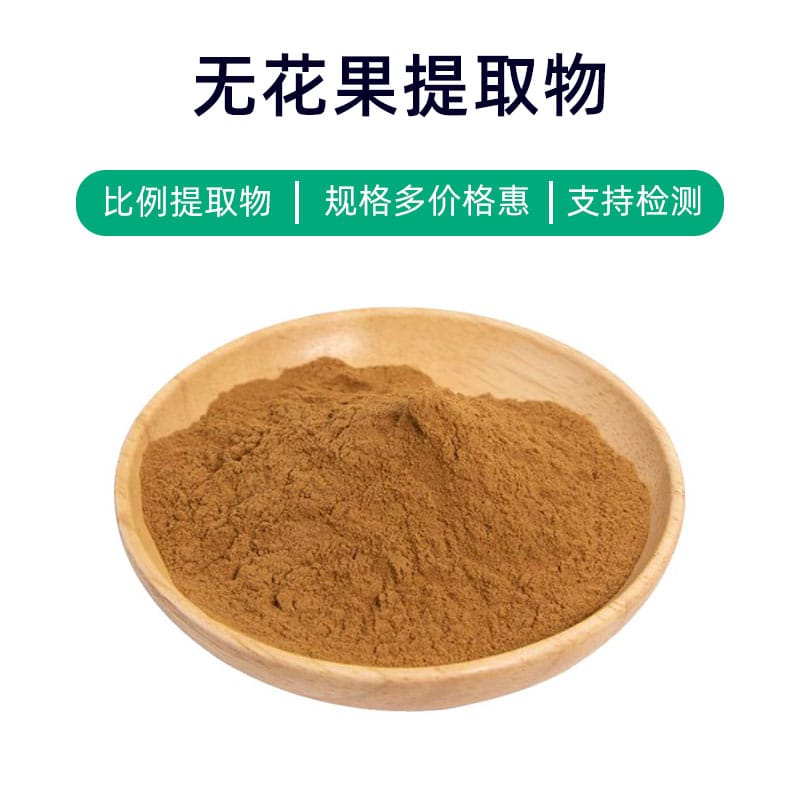



Fig Extract Product Introduction
Fig extract is a natural plant extract derived from the mature fig fruit. Its main components include polyphenolic compounds, vitamins, minerals, and dietary fiber. It is widely utilized in pharmaceuticals, health supplements, skincare products, and cosmetics.
The polyphenolic compounds in fig extract possess strong antioxidant properties, helping to neutralize free radicals, slow down aging, and provide skin protection. Vitamins and minerals contribute to nourishing the skin and promoting cell renewal, beneficial for skin health. Moreover, fig extract contains abundant dietary fiber, which aids in maintaining intestinal health and improving digestive function.
In the pharmaceutical field, fig extract is commonly used in health supplements, such as antioxidants and anti-aging products. In skincare, it is included in various skincare products like creams, serums, and masks, which help maintain youthful, smooth, and elastic skin. In the food industry, fig extract is often used as a flavoring agent or nutritional additive, enhancing the flavor and nutritional value of food products.
In summary, fig extract boasts multiple benefits, including antioxidant properties, anti-aging effects, skin nourishment, and digestive improvement, making it applicable in pharmaceuticals, health supplements, skincare products, and food.
Fig Extract Production Process
The production process of fig extract typically involves the following steps:
- Harvesting: Selecting mature fig fruits to ensure quality and ripeness.
- Washing: Cleaning the harvested figs to remove surface impurities and dirt.
- Cutting: Cutting the cleaned fruits into suitable sizes for further processing.
- Softening Treatment: Softening the cut fruits, usually through steaming or soaking to enhance the release rate of active components.
- Maceration: Placing the softened fruits in an extractor with an appropriate solvent to dissolve the active components from the figs.
- Filtration: Filtering the extracted liquid to remove solid impurities and suspended particles, resulting in a clear extract.
- Concentration: Concentrating the filtered extract, typically using vacuum concentration or spray drying to evaporate the solvent and obtain concentrated fig extract.
- Cooling: Cooling the concentrated extract to room temperature to ensure product quality stability.
- Packaging: Packaging the cooled fig extract, usually in sealed containers to protect against air and moisture impacts on product quality.
- Quality Control: Conducting quality tests on the packaged product to ensure compliance with relevant standards and requirements.
This is a common production process for fig extract, yielding high-quality fig extract products.
Fig Extract Efficacy and Side Effects
Fig extract is a natural plant extract with various benefits and functionalities, mainly encompassing the following aspects:
- Antioxidant Effects: Rich in natural antioxidants, such as polyphenolic substances, fig extract helps combat cellular damage from free radicals, slowing down the aging process and protecting cells from oxidative stress.
- Anti-Inflammatory Effects: The active components in fig extract possess certain anti-inflammatory properties that alleviate inflammation and discomfort, contributing to overall health.
- Skin Care: Commonly used in cosmetics and skincare products, fig extract provides moisturizing, anti-wrinkle, and whitening benefits, improving skin texture, elasticity, and reducing wrinkles and dark spots.
- Blood Sugar Regulation: Studies indicate that some components in fig extract may lower blood sugar levels, assisting in blood glucose control, which can be beneficial for diabetes patients.
- Cardiovascular Health: Rich in plant nutrients such as vitamins, minerals, and dietary fiber, fig extract aids in maintaining cardiovascular health, lowering blood pressure and cholesterol, and preventing cardiovascular diseases.
- Digestion Support: With ample dietary fiber, fig extract promotes intestinal motility, alleviating constipation issues and supporting digestive health.
It's important to note that while fig extract offers various benefits, potential side effects may occur, such as allergic reactions or digestive discomfort. Therefore, it is advisable to conduct an allergy test before use and consult a healthcare professional for guidance. Different dosages and uses may yield different results; thus, it is recommended to follow the dosage guidelines provided on the product label.
Fig Extract Applications and Dosage
Fig extract has broad applications in the pharmaceutical, food, and cosmetic industries, with various uses and dosages. Here is an overview of its applications and recommended dosages:
- Pharmaceutical Applications:
- Function: Commonly used in health supplements and pharmaceutical formulations, fig extract provides blood sugar regulation, blood pressure reduction, and antioxidant effects.
- Dosage: Typically used as an oral supplement, recommended dosages for adults range from 200-500mg per day, with specific dosages determined based on individual health status and physician advice.
- Food Applications:
- Function: Often incorporated into functional foods such as juices, yogurt, and candies, fig extract offers benefits like antioxidant properties, blood sugar regulation, and digestive support.
- Dosage: In food processing, it should be added in appropriate amounts based on the product type and purpose, generally not exceeding 5% of the total weight.
- Cosmetic Applications:
- Function: Utilized in skincare products, masks, and lotions, fig extract delivers moisturizing, antioxidant, and whitening benefits.
- Dosage: Depending on the product type and formulation, it is generally recommended to be added at a ratio of 0.1-2%, with specific amounts determined by the product formulation.
- Precautions:
- When using fig extract, it is advised to adhere to the prescribed dosage outlined in the product instructions, avoiding excessive use to prevent adverse reactions.
- For special populations, such as pregnant women, breastfeeding women, and children, it is best to seek advice from a healthcare professional before use.
In conclusion, fig extract is widely applicable in pharmaceuticals, food, and cosmetics, with numerous benefits and uses. However, attention must be paid to dosage and the suitability for specific populations.
Introduction to the Source Plant of Fig Extract, Distribution, and Growth Environment
The fig (scientific name: Ficus carica) is an ancient fruit tree, also known as the common fig tree. Here’s detailed information about the source plant of fig extract, including its introduction, distribution, and growth environment:
- Plant Introduction:
- Chinese Name: Fig
- Latin Name: Ficus carica
- English Name: Common Fig
- Distribution:
The fig is native to the southwestern regions of Asia and southern Europe, traditionally one of the Mediterranean region's fruit trees. It has now been cultivated in warm areas around the world, such as the Mediterranean coast, the Middle East, North Africa, Southern Europe, South Asia, Australia, and California in the USA. - Growth Environment:
Fig trees thrive in warm, dry climates and require ample sunlight and well-drained soil. They typically grow in areas below 1,000 meters in elevation; higher altitudes may negatively affect their growth and fruiting. Fig trees are sensitive to cold and need adequate warmth and sunlight to grow properly. - Growth Habit:
- Tree Type: Fig trees are usually deciduous and can reach heights of over 10 meters with a broad canopy.
- Leaves: The leaves are palmate with 5-7 shallow lobes.
- Flowers: The flowers on the fig tree are inconspicuous and located inside the fruit, which is why it is often referred to as the fig.
- Fruits: The fruits are oval-shaped, smooth on the surface, and come in various colors, including green, purple, and yellow, when ripe; they are delicious, juicy, and nutritionally rich.
In summary, the fig is a fruit tree that prefers warm, dry climates, originally from the Mediterranean region and now widely distributed in various warm regions around the world. It has high requirements for ample sunlight, well-drained soil, and moderate warmth, making it a desirable fruit tree species.
Fig Extract Processing and Storage
The processing of fig extract typically includes the following steps: first, harvesting the figs, followed by cleaning the fruits and removing impurities, then grinding and crushing to extract the desired active components, and finally drying and refining to obtain fig extract. When storing, it should be placed in a dry, cool environment, away from direct sunlight and high temperatures. It's best to use sealed containers for storage, regularly checking the expiration date and product quality to ensure stability and effectiveness.

Monica Sun is a seasoned expert in the plant extraction industry with over a decade of experience in research and production. She specializes in the extraction and purification of plant active ingredients, focusing on driving innovation in natural product applications. Monica has participated in the development of multiple functional plant extracts, delivering high-value natural raw material solutions for the health food, pharmaceutical, and dietary supplement sectors.