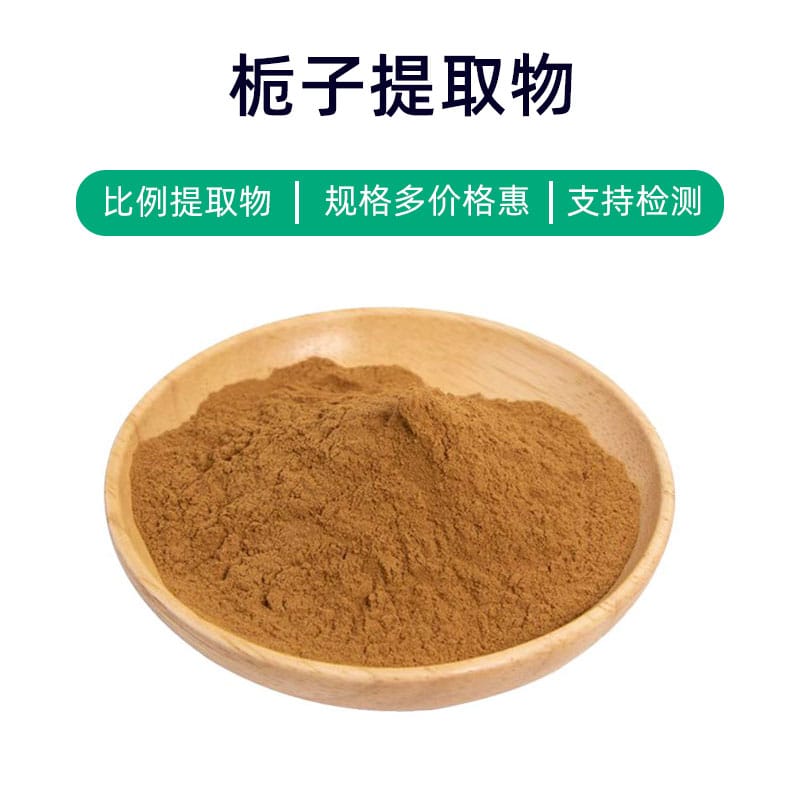
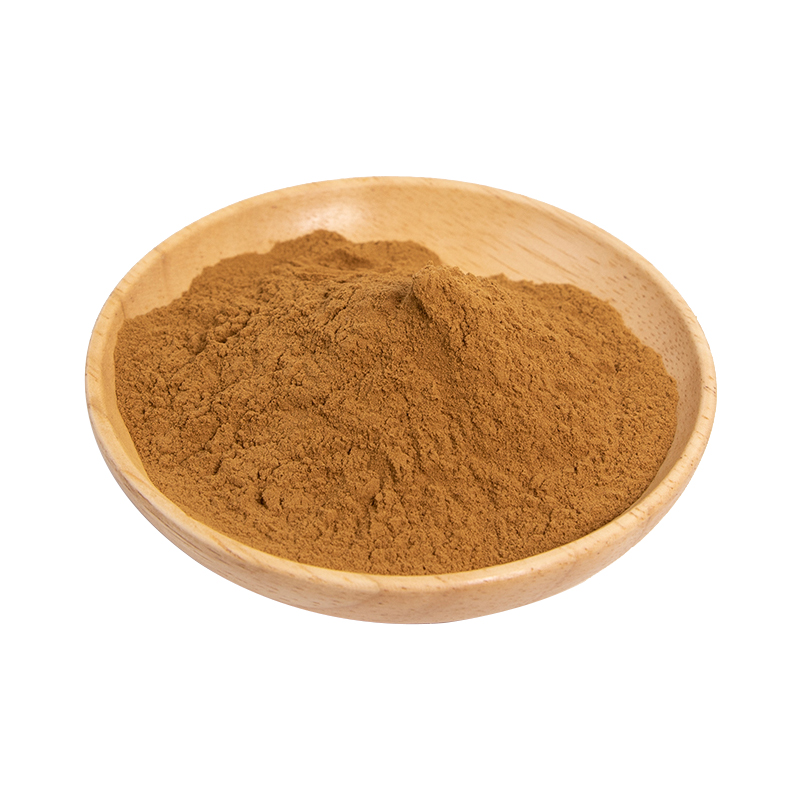



Usma Eyebrow Grass Extract Product Introduction
Usma Eyebrow Grass Extract is a natural extract derived from the Usma Eyebrow Grass plant, containing abundant polyphenolic compounds and flavonoids. These active components impart various effects and applications to this extract.
Firstly, Usma Eyebrow Grass Extract exhibits strong antioxidant properties, neutralizing free radicals, slowing down aging, and protecting the skin from environmental damage.
Secondly, this extract has anti-inflammatory and antibacterial properties, helping to soothe skin inflammation, reduce inflammatory responses, and assist in treating mild skin issues.
Additionally, Usma Eyebrow Grass Extract is widely used in cosmetics, commonly found in skincare and beauty products. It helps improve skin texture, increase skin elasticity, reduce the appearance of fine lines and wrinkles, making the skin look younger and firmer.
Overall, Usma Eyebrow Grass Extract is a natural, safe, and effective plant extract, offering various benefits including antioxidant, anti-inflammatory, and antibacterial properties, suitable for a range of cosmetics and skincare products, providing comprehensive protection and nourishment to the skin.
Usma Eyebrow Grass Extract Production Process
The production process of Usma Eyebrow Grass Extract primarily includes the following steps:
- Raw Material Collection: Select high-quality Usma Eyebrow Grass plants during their growth period to ensure a high content of active components.
- Cleaning and Preprocessing: Clean and preprocess the collected Usma Eyebrow Grass to remove impurities and contaminants, ensuring the purity and quality of the extract.
- Crushing and Grinding: Crush and grind the cleaned Usma Eyebrow Grass into a powder to increase surface area, facilitating the extraction process.
- Extraction: Use appropriate solvents (such as ethanol, water, etc.) to extract the crushed Usma Eyebrow Grass, dissolving the active components into the extraction solution.
- Filtration and Concentration: Filter the extraction solution to remove solid impurities, then use a concentration apparatus to evaporate the solvent, yielding a concentrated extract.
- Separation and Purification: Further separate and purify the concentrated extract using techniques such as chromatography or gel separation to isolate and refine target components.
- Drying: Dry the purified extract to remove moisture, resulting in dried Usma Eyebrow Grass Extract.
- Packaging and Storage: Package the dried extract, typically using moisture-proof and light-proof materials, and store it in a cool, dry environment away from sunlight and high temperatures to maintain its stability and active component efficacy.
Through these production steps, high-quality Usma Eyebrow Grass Extract can be obtained, retaining the active components of the plant and ensuring effective applications.
Usma Eyebrow Grass Extract Benefits and Side Effects
Usma Eyebrow Grass Extract is a commonly used herbal extract with multiple benefits:
- Antioxidant Properties: Rich in various antioxidants, such as polyphenolic compounds and vitamin C, it effectively neutralizes free radicals, slows cellular aging, and protects cells from oxidative damage.
- Anti-inflammatory Effects: The active components in Usma Eyebrow Grass Extract have anti-inflammatory effects that can inhibit inflammatory responses, relieve pain and discomfort, and provide some relief for inflammatory conditions like rheumatoid arthritis.
- Antibacterial Properties: The extract contains components with antibacterial and antiviral effects, making it useful for treating oral inflammation, skin infections, and other ailments, showing some anti-inflammatory and antibacterial action.
- Liver Protection: Usma Eyebrow Grass Extract offers protection to the liver, promoting the regeneration of liver cells and reducing liver damage, providing supportive treatment for conditions like hepatitis and fatty liver disease.
- Blood Sugar Regulation: The active components in the extract can lower blood sugar levels, serving as an auxiliary treatment for diabetes patients in managing blood glucose.
- Digestive Improvement: It promotes the secretion of digestive juices and enhances intestinal peristalsis, helping to improve digestive function and alleviate symptoms of indigestion and bloating.
Usma Eyebrow Grass Extract is generally safe, but some individuals may experience allergic reactions or adverse effects, such as skin allergies or digestive issues. Therefore, sensitivity to ingredients should be considered, and recommendations from healthcare professionals should be followed prior to use.
In summary, Usma Eyebrow Grass Extract provides a range of benefits, enhancing antioxidant capacity, anti-inflammatory and antibacterial effects, liver protection, and blood sugar regulation, while individual differences and potential adverse reactions should be taken into account during use.
Usma Eyebrow Grass Extract Applications and Dosage
Usma Eyebrow Grass Extract is widely applied in pharmaceuticals, food, and cosmetics. Here's how it is used across these fields:
- Pharmaceutical Applications:
- Used in traditional medicine formulations for heat-clearing, detoxifying, and reducing swelling and pain.
- Useful in treating conditions like rheumatic pain, arthritis, and gastrointestinal diseases; can be processed into pills, granules, or liquid forms.
- Employed in topical ointments and patches for skin inflammation, eczema, burns, and other skin conditions.
- Food Applications:
- Serves as a food additive for flavoring, enhancing aroma, or improving preservation.
- Added to beverages, juices, and teas to impart natural flavors and nutritional benefits.
- Cosmetic Applications:
- Commonly found in skincare products and cosmetics, offering antioxidant, anti-inflammatory, and moisturizing benefits.
- Included in masks, lotions, and serums to improve skin condition and maintain skin health.
- Can be formulated into shampoos and conditioners, nourishing hair and enhancing its quality.
Dosage Guidelines:
- Pharmaceutical Use: Follow the advice of doctors or pharmacists; typically consumed via decoction, soaking, or boiling, with dosages depending on specific conditions and formulations.
- Food Use: Add according to food additive standards, generally in small amounts that do not significantly affect health.
- Cosmetic Use: Follow the product formula for recommended quantities; generally, use as indicated on product instructions to avoid excessive use that could lead to adverse reactions.
Overall, Usma Eyebrow Grass Extract shows promising applications in pharmaceuticals, food, and cosmetics, but product quality and dosage should be monitored to ensure safety and effectiveness.
Usma Eyebrow Grass Plant Source, Distribution, and Growth Environment
Usma Eyebrow Grass (scientific name: Usma barbata) is a perennial herbaceous plant belonging to the Asteraceae family. It typically grows in warm, humid environments, primarily distributed in Asia, especially in southern regions of China such as Guangdong, Guangxi, Fujian, and Yunnan provinces. The following is detailed information on the source plant, distribution, and growth environment of Usma Eyebrow Grass:
- Source Plant Characteristics:
- Usma Eyebrow Grass is an upright, perennial herb, usually growing to a height of about 30 to 60 cm, with a straight stem and few branches, sometimes creeping.
- The leaves are lanceolate or oval, with irregular serrated edges; the leaf surface is smooth, and the undersides often have fine white hairs.
- The flowering head has yellow ray florets, with the flowering period mainly concentrated from spring to summer.
- Distribution:
- Mainly found in the southern regions of China, particularly in Guangdong, Guangxi, Fujian, and Yunnan provinces, thriving in warm, humid lowland or foothill areas.
- Apart from China, Usma Eyebrow Grass has similar distributions in other Southeast Asian and South Asian regions, including countries such as Vietnam, Thailand, and India.
- Growth Environment:
- Prefers moist environments, typically growing at the base of mountains, riverbanks, fields, or roadsides, favoring well-drained soils with ample sunlight.
- It is not particularly demanding regarding soil type, growing well in loose, fertile soils and showing strong adaptability to various soil pH levels.
- Usma Eyebrow Grass also tolerates a range of climatic conditions, thriving in hot and humid climates while withstanding certain levels of drought and cold.
In summary, Usma Eyebrow Grass is a highly adaptable perennial herb primarily distributed in southern China and some Southeast Asian countries. It thrives in warm, humid environments, often found at the bases of mountains, riverbanks, and fields, demonstrating strong adaptability to both soil and climate conditions.
Processing and Storage of Usma Eyebrow Grass Extract
The processing of Usma Eyebrow Grass Extract typically involves several steps: first, fresh Usma Eyebrow Grass is collected, followed by initial cleaning to remove impurities; then crushing and grinding to extract effective components. Next, suitable extraction methods (such as water or ethanol extraction) are employed to harvest the herbal active ingredients, which are then filtered, concentrated, and dried to produce Usma Eyebrow Grass Extract.
For storage, Usma Eyebrow Grass Extract should be kept in a dry, cool, and well-ventilated area, avoiding direct sunlight and high-temperature environments. Additionally, it should be protected from moisture and chemicals, ensuring minimal exposure to harmful gases or substances. Under appropriate storage conditions, Usma Eyebrow Grass Extract can retain the stability and efficacy of its active components over an extended period.

Monica Sun is a seasoned expert in the plant extraction industry with over a decade of experience in research and production. She specializes in the extraction and purification of plant active ingredients, focusing on driving innovation in natural product applications. Monica has participated in the development of multiple functional plant extracts, delivering high-value natural raw material solutions for the health food, pharmaceutical, and dietary supplement sectors.