


Product Introduction
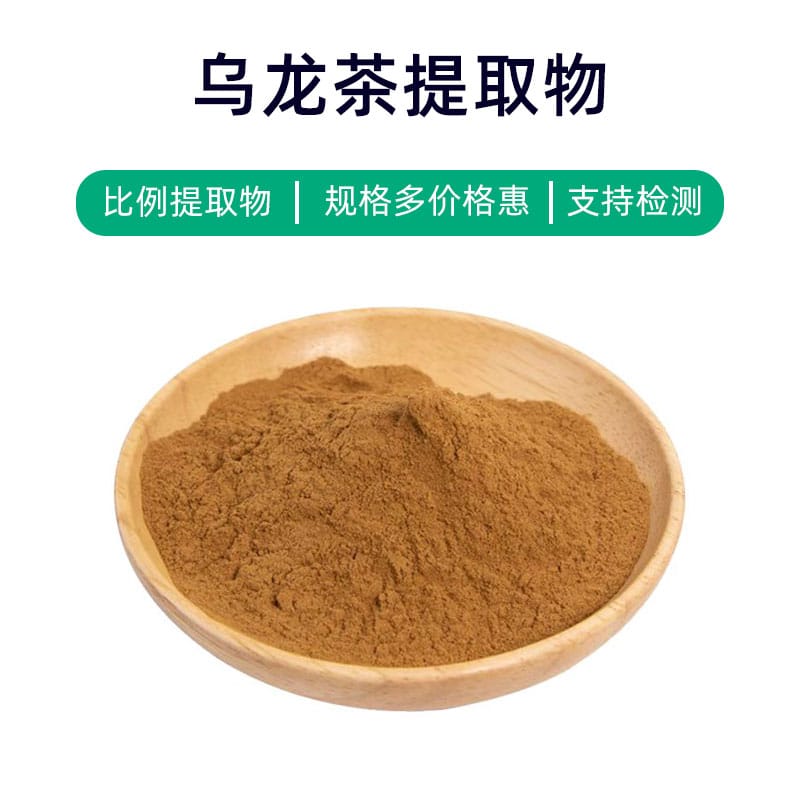
Oolong tea extract is derived from the leaves of the Camellia sinensis plant, a versatile tea source that undergoes partial oxidation. This extract typically contains key components such as catechins, theaflavins, and caffeine. It is commonly used in dietary supplements, functional foods, and health beverages for its unique flavor profile and potential health benefits. The moderate oxidation level of oolong tea gives it a distinct chemical composition, contributing to its wide-ranging applications for wellness and nutrition.
Production Process
The production of oolong tea extract involves several stages, starting with the harvesting of high-quality tea leaves. After harvesting, the leaves are withered to reduce moisture content. They are then partially oxidized, a crucial process that defines the flavor and chemical properties of oolong tea. Once the desired oxidation level is achieved, the leaves are heated to stop the oxidation and then ground into a fine powder to create the extract. This process ensures that the beneficial compounds are preserved for use in various applications.
Product Functions and Effects
Oolong tea extract is known for its potential health-promoting properties, including antioxidant effects, weight management support, and improved mental alertness. The catechins in the extract may help in combating oxidative stress and inflammation. Additionally, some studies suggest that oolong tea extract can enhance metabolism and promote fat oxidation. Its moderate caffeine content can provide an energy boost while contributing to cognitive enhancement.
Product Application Scenarios
Oolong tea extract can be utilized in multiple contexts, such as in dietary supplements for those looking to support weight loss or overall wellness. It is often incorporated into functional foods, like health bars and snacks, for its flavor and potential health benefits. The extract is also popular in the beverage industry, where it can be used to create refreshing drinks and teas that cater to health-conscious consumers.
Plant Source
The oolong tea extract is sourced from the Camellia sinensis plant, particularly from selectively harvested leaves that are known for their oxidative properties. The specific cultivation practices and geographical conditions where these tea plants are grown can significantly influence the quality and chemical makeup of the extract.
Packaging and Storage
Storage Conditions: Store in a sealed, light-proof container, away from high temperatures, in a dry, cool, and well-ventilated place.
Packaging: Bulk: 25kg/fiber drum; Sample: 1kg/aluminum foil bag; Custom packaging available upon request.
Shipping Methods: FedEx, DHL, dedicated logistics, and sea freight consolidation.
Shelf Life: Two years

Monica Sun is a seasoned expert in the plant extraction industry with over a decade of experience in research and production. She specializes in the extraction and purification of plant active ingredients, focusing on driving innovation in natural product applications. Monica has participated in the development of multiple functional plant extracts, delivering high-value natural raw material solutions for the health food, pharmaceutical, and dietary supplement sectors.