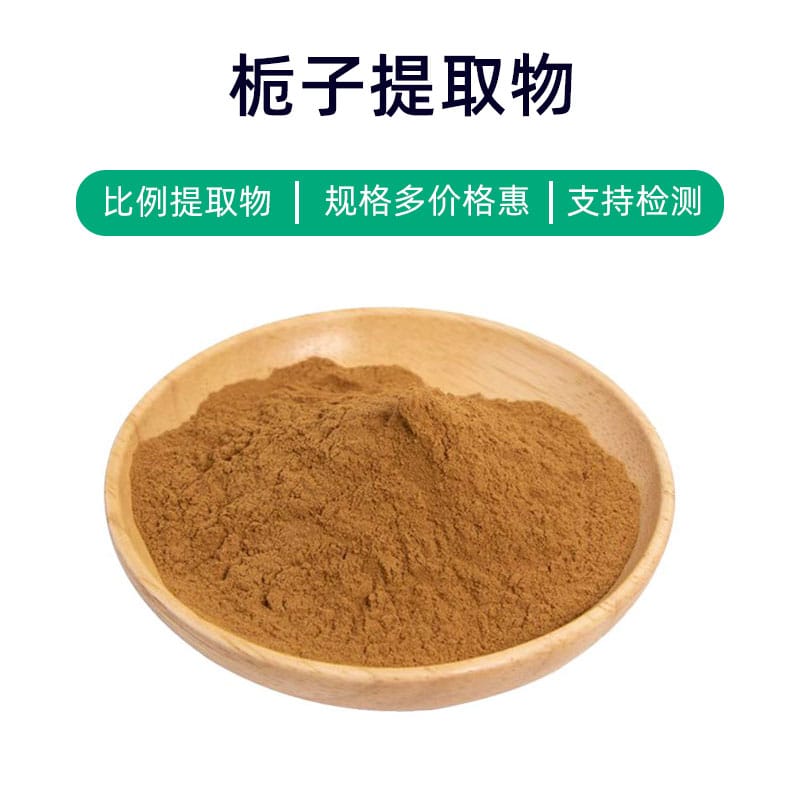
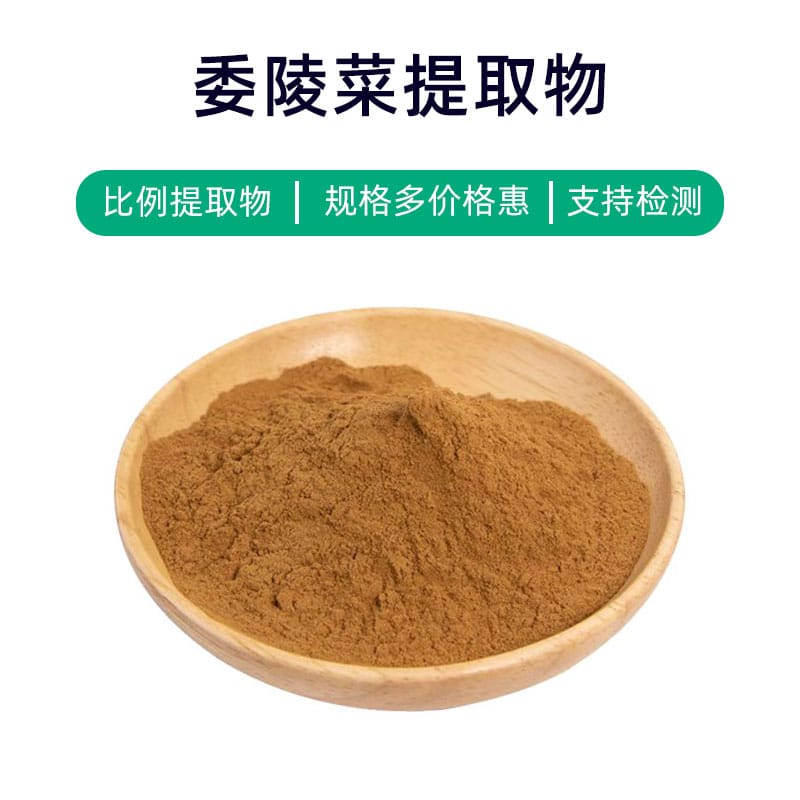



Glehnia Root Extract Product Description
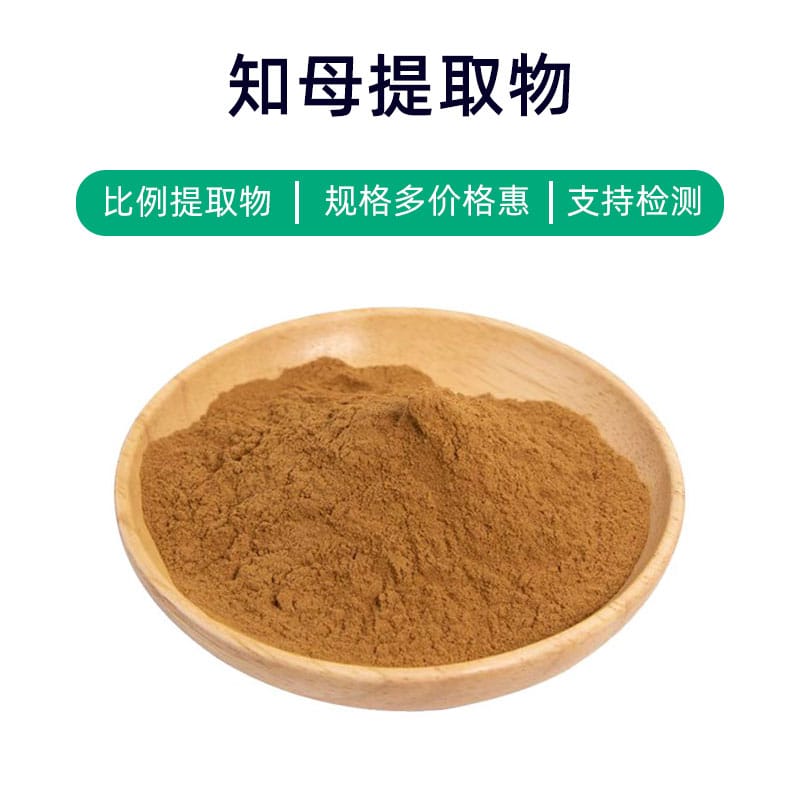
Glehnia root extract is a plant extract derived from the roots of Glehnia littoralis, comprising mainly polysaccharides, saponins, flavonoids, and alkaloids. These components provide various effects and applications.
Firstly, Glehnia root extract is widely used in the medical field. Its polysaccharides and alkaloids offer benefits such as moisturizing the lungs, promoting bowel movements, and regulating the immune system, making it commonly used in formulating medicines for respiratory and digestive health.
Secondly, in the health supplement industry, the polysaccharides and other components are known to support the immune system, and the extract is processed into supplements aimed at boosting immunity and improving overall health.
Furthermore, Glehnia root extract is also extensively utilized in cosmetics. The saponins and flavonoids provide antioxidant properties, soothe the skin, and retain moisture, making them popular additives in skincare products to combat dryness and roughness, resulting in softer and more refined skin.
In summary, Glehnia root extract, as a natural plant extract, exhibits a variety of effects and applications, including skin nourishment, hydration, and immune regulation, making it valuable in the medical, health supplement, and cosmetic industries.
Production Process of Glehnia Root Extract
The production of Glehnia root extract typically involves the following steps:
- Raw Material Collection and Preparation: Select high-quality Glehnia roots, clean them to remove impurities, and perform initial processing, such as chopping and grinding, to enhance extraction efficiency.
- Extraction Process: Common methods include water extraction and ethanol extraction. Water extraction, a popular method, involves mixing treated Glehnia roots with water in a specific ratio and performing decoction. The extraction parameters, such as temperature, time, and pressure, should be adjusted based on specific conditions to ensure efficiency and quality.
- Filtration and Concentration: Filter the extract to remove solid impurities and use concentration equipment to evaporate water from the extract, producing a concentrated liquid.
- Precipitation and Separation: Add an appropriate precipitant to the concentrated liquid to encourage the active components to precipitate. Then, use centrifugation and filtration to separate the precipitate from the solution.
- Drying and Grinding: Dry the separated precipitate to eliminate residual moisture and then grind it into a powdered form.
- Packaging and Storage: Package the powdered Glehnia extract according to specific specifications, then seal and store. During storage, it's important to avoid light, moisture, and contamination to maintain stability and efficacy.
The above outlines the common production process of Glehnia root extract; specific parameters and steps may be adjusted according to actual production conditions.
Effects and Side Effects of Glehnia Root Extract
Glehnia root extract is a natural plant extract with multiple benefits, including:
- Antioxidant Effects: It is rich in various natural antioxidants like polyphenols and vitamins, which can neutralize free radicals in the body, reduce oxidative cell damage, and support cellular health and anti-aging.
- Anti-Inflammatory Effects: Research indicates that the active components in Glehnia root extract can inhibit inflammatory responses, alleviate pain and discomfort from inflammatory diseases like arthritis and dermatitis.
- Immune Regulation: Certain bioactive components in Glehnia root extract can enhance the immune system, improving resistance to infections.
- Blood Sugar Regulation: Some components have been shown to help regulate blood sugar levels, providing auxiliary treatment for diabetes.
- Antibacterial and Antiviral Effects: Glehnia root extract contains compounds that have antibacterial and antiviral properties, inhibiting the growth and reproduction of bacteria and viruses.
- Skin Benefits: The extract provides moisturizing, anti-wrinkle, and skin-whitening effects, promoting skin regeneration and delaying aging.
- Lipid Regulation: Some components can help regulate lipid metabolism, lowering cholesterol and triglyceride levels, thereby aiding in the prevention of cardiovascular diseases.
- Digestive Support: Certain active components stimulate digestive fluid secretion and enhance gastrointestinal motility, alleviating digestive issues like bloating and indigestion.
While Glehnia root extract has many benefits, individual differences and tolerances must be taken into account to avoid excessive usage and potential side effects. Those allergic to Glehnia should avoid its use. Consultation with a healthcare professional is recommended prior to use to ensure safety and effectiveness.
Application Scenarios and Dosage of Glehnia Root Extract
Glehnia root extract finds wide applications in the medical, food, and cosmetic fields. Below are its usage scenarios and dosages in various domains:
- Medical Field:
- Uses: It is widely used for treating rheumatoid arthritis, gout, and bone hyperplasia.
- Dosage: Common applications include topical patches, ointments, or tinctures applied to affected areas. Dosage should follow medical advice or product instructions, generally applied 1-3 times daily.
- Food Industry:
- Uses: Glehnia root extract is used as a food additive in flavorings and health products to enhance nutritional value and taste.
- Dosage: The amount varies based on specific recipes and production methods, adhering to relevant regulations and standard limits.
- Cosmetic Industry:
- Uses: It is incorporated in skincare and beauty products for its moisturizing, antioxidant, and anti-aging properties.
- Dosage: As a raw material in formulations, it is generally included in creams, lotions, or serums, usually as part of the product's recipe and adjusted based on specific formulations.
The application scenarios and dosages of Glehnia root extract may differ across fields, requiring adjustments based on specific circumstances. Users should adhere to product guidelines or medical advice to avoid overuse. For those with individual sensitivities, a patch test is recommended before use, and use should be discontinued immediately if discomfort occurs.
Introduction to the Source Plant, Distribution, and Growing Environment of Glehnia Root Extract
Glehnia, scientifically known as Houttuynia cordata Thunb., is a perennial herb belonging to the Houttuyniaceae family. Below is detailed information about the source plant of Glehnia extract, its distribution, and growing environment:
- Plant Description:
- Glehnia, known by various names such as fish mint and chicken dung plant, is a perennial herb that grows 20 to 70 cm tall, with kidney-shaped leaves that have a characteristic fishy odor.
- Blooming occurs in summer, with flowers that are green to yellow-green and appear in clusters at the top of flower spikes. The fruit is a capsule with oval seeds. The plant exhibits strong growth and reproduction capabilities.
- Distribution:
- Glehnia is indigenous to China and is primarily found in regions south of the Yangtze River, thriving in moist environments such as mountain slopes, forest edges, creeks, and fields.
- It is also distributed in other Asian countries, including Japan, Korea, and Vietnam.
- Growing Environment:
- Glehnia prefers humid conditions, typically growing at elevations of 500-1500 meters in mountain, forest, riverside, and field areas.
- It tolerates various levels of sunlight, growing well in semi-shade or sunny conditions, although it generally prefers semi-shaded environments.
- The plant is not particularly demanding regarding soil but thrives best in loose, moist, well-drained soils, usually growing in nutrient-rich organic soil.
Overall, Glehnia is a highly adaptable plant with a wide distribution and primarily thrives in moist mountainous, forest, and water-side regions, making it a common wild plant.
Processing and Storage of Glehnia Root Extract
The processing and storage of Glehnia root extract are crucial. Here are some related points:
- Processing: Glehnia root extract is typically produced using water or ethanol extraction methods. Fresh Glehnia is cleaned and processed before using appropriate extraction techniques to obtain the extract. After extraction, further processing through concentration and drying may occur to finalize the product.
- Storage: During storage and preservation of Glehnia root extract, the following should be noted:
- Moisture Control: Store the extract in a cool, dry place away from direct sunlight and humidity to prevent mold and spoilage.
- Sealed Storage: Keep the extract in airtight containers to prevent exposure to air, moisture, and odors, ensuring quality and stability.
- Avoid High Temperatures: Keep the extract away from high-temperature environments to prevent the loss and degradation of active components.
- Light Protection: Minimize direct exposure to strong light, opting for dark glass bottles or opaque containers to reduce light effects.
Proper processing and storage methods can maintain the quality and stability of Glehnia root extract, extend its shelf life, and preserve the activity of its beneficial components.

Monica Sun is a seasoned expert in the plant extraction industry with over a decade of experience in research and production. She specializes in the extraction and purification of plant active ingredients, focusing on driving innovation in natural product applications. Monica has participated in the development of multiple functional plant extracts, delivering high-value natural raw material solutions for the health food, pharmaceutical, and dietary supplement sectors.