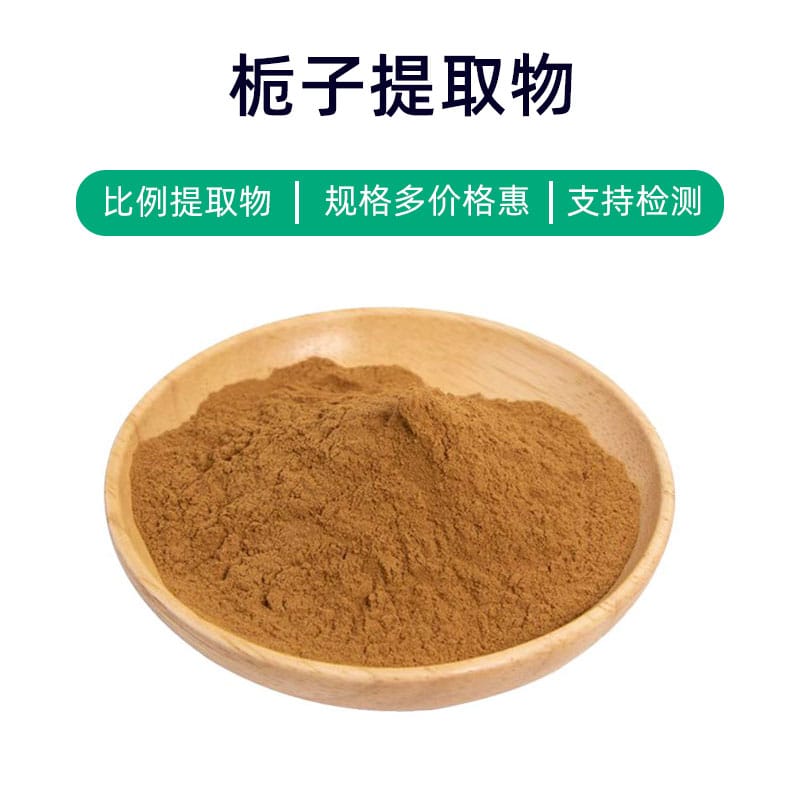



Introduction to Tribulus Terrestris Extract
Tribulus Terrestris Extract is a natural plant extract derived from the fruit or seeds of the Tribulus Terrestris plant. Its main components include saponins, steroid compounds, and polysaccharides, which provide various health benefits.
First, Tribulus Terrestris Extract is extensively used in the health supplement field. The saponins and steroid compounds contained in it are believed to enhance sexual function, boost stamina, and reduce fatigue, making it a common ingredient in male health products to help improve male sexual function and libido.
Second, Tribulus Terrestris Extract is also used in sports nutrition. Its potential effect in improving muscle strength and endurance means it is utilized by some athletes as a supplement to enhance performance.
In addition, Tribulus Terrestris Extract is commonly found in cosmetics. Due to its antioxidant, anti-inflammatory, and moisturizing properties, it is added to skincare products to improve skin texture, slow down aging, and provide protective effects, making the skin smoother, firmer, and more elastic.
Overall, as a natural plant extract, Tribulus Terrestris Extract possesses multiple health benefits, including enhancing sexual function, boosting stamina, reducing fatigue, improving muscle strength, and endurance. It has broad application prospects in health supplements, sports nutrition, and cosmetics.
Production Process of Tribulus Terrestris Extract
The production process of Tribulus Terrestris Extract generally includes the following key steps:
- Raw Material Collection and Preparation: Choose ripe fruits or seeds of Tribulus Terrestris as raw materials. After collection, wash, remove impurities, and air dry the materials to ensure quality and purity.
- Crushing and Grinding: Crush and grind the cleaned raw materials to create finer particles, increasing extraction efficiency.
- Solvent Extraction: Soak the crushed raw materials in an appropriate solvent (such as ethanol or water) to extract active components. Typically, water extraction and ethanol extraction are used, with strict control over temperature, time, and solvent concentration to ensure effective extraction and quality.
- Concentration and Solvent Removal: Filter and concentrate the extract to remove excess solvent and obtain a concentrated solution.
- Refinement and Purification: Further refine and purify the concentrated solution through methods such as filtration, crystallization, and distillation to eliminate impurities and enhance product purity and activity.
- Drying and Powdering: Dry the purified extract to remove residual moisture, transforming it into a powdered or granulated form. After drying, the extract is further crushed to achieve the desired particle size and form.
- Packaging and Storage: Package the extract in suitable containers, ensuring they are sealed to avoid exposure to light, moisture, and heat, thereby maintaining product stability and quality. Additionally, indicate production date, batch number, and relevant information on the packaging.
This outlines the common production process for Tribulus Terrestris Extract, with each step requiring strict adherence to operational conditions to ensure product quality and safety.
Effects and Side Effects of Tribulus Terrestris Extract
Tribulus Terrestris Extract is a commonly used herbal material known for its various effects, primarily including:
- Antioxidant Effects: Rich in various antioxidants such as polyphenols and vitamin C, this extract helps eliminate free radicals in the body, slow down cellular aging, and protect cells from oxidative damage.
- Immune Modulation: The active components in Tribulus Terrestris Extract possess certain immune-regulating properties, enhancing the body’s immunity and resistance, helping to prevent infections and diseases.
- Anti-inflammatory Effects: Some components in the extract have been shown to exhibit anti-inflammatory activity, suppressing the occurrence and progression of inflammation and alleviating symptoms and severity of inflammation-related diseases.
- Blood Sugar Regulation: Some compounds in the extract are believed to help regulate blood sugar levels, improving insulin sensitivity, which aids in controlling the development and progression of diabetes.
- Liver Protection: Tribulus Terrestris Extract is thought to have liver-protective effects, promoting the regeneration of liver cells, enhancing liver function, and reducing liver damage severity, which can help in the prevention and treatment of liver diseases.
- Anti-tumor Effects: Research indicates that the active components in this extract may have anti-tumor properties, inhibiting the proliferation and metastasis of tumor cells, and assisting in the prevention and treatment of tumor-related conditions.
Despite the various benefits, it is essential to be aware of potential side effects and precautions during use:
- Excessive Use May Lead to Adverse Reactions: Long-term or excessive consumption of Tribulus Terrestris Extract may cause digestive issues, dizziness, nausea, and other adverse effects. It is advisable to follow medical advice and control dosage when using.
- Drug Interactions: This extract may interact with certain medications, affecting their efficacy or increasing toxicity. Caution is advised when used alongside medications, preferably under the guidance of a physician.
- Caution for Pregnant and Nursing Women: Given that safety during pregnancy and lactation has not been clearly studied, it is best for these individuals to avoid use or consult a doctor before use.
In summary, Tribulus Terrestris Extract features various benefits and effects; however, dosage control and awareness of potential adverse reactions are crucial for safe and effective use.
Applications and Dosage of Tribulus Terrestris Extract
Tribulus Terrestris Extract has broad applications in the pharmaceutical, food, and cosmetic sectors. The following are its application scenarios and recommended dosages in various fields:
- Medical Applications:
- Tribulus Terrestris Extract is widely used in traditional Chinese medicine to treat conditions such as rheumatic joint pain, nephritis, and cystitis.
- In modern medicine, it serves as an ingredient in functional drugs for liver protection, lipid reduction, and immune regulation.
- Food Applications:
- Used as a food additive to enhance nutritional value and functionality.
- Typically added in powdered form to beverages, health supplements, and functional foods, with a daily intake generally ranging from 1-3 grams.
- Cosmetic Applications:
- Due to its antioxidant, anti-inflammatory, and moisturizing properties, it is a common ingredient in skincare products, such as creams, masks, and lotions.
- Commonly added as an active ingredient in formulations, generally making up 0.5% to 5% of the total product formulation.
Dosage and usage will vary depending on specific products and intended uses. It is essential to adhere strictly to the instructions on the product packaging or follow medical guidance to avoid excessive or improper use. Additionally, consider individual differences and possible allergic reactions; discontinue use and consult a doctor if discomfort occurs.
Overview of the Plant Source, Distribution, and Growth Environment of Tribulus Terrestris
Tribulus Terrestris (commonly known as puncture vine) is a widespread herbaceous plant belonging to the Zygophyllaceae family, also known as caltrop or ground nut. Below is an introduction to the source plant, its distribution, and growth environment.
- Source Plant:
Tribulus Terrestris is an annual herb that typically grows in wild and dry, warm areas, such as wastelands, roadside, farmland, and grasslands. Its main features include multiple branches, creeping growth, alternate leaves, and oval leaflets. The plant usually is low in height, has soft stems, and bears curved, spiny hooks. - Distribution:
Tribulus Terrestris is widely distributed across temperate, subtropical, and tropical regions worldwide, particularly in Africa, Asia, Europe, and Australia. In China, it is found across various regions, including Northeast, North China, East China, South China, and Southwest, commonly seen in plains, mountains, sandy areas, fields, and wastelands. - Growth Environment:
The growth environment for Tribulus Terrestris includes several key aspects:
- Climate: Adaptable with non-strict climate requirements; it prefers warm, dry weather but can also tolerate lower temperatures.
- Soil: Prefers loose, well-drained soils and can grow in various soil types, including sandy, loamy, and clay soils, not demanding specific soil conditions.
- Sunlight: Requires ample sunlight and thrives best with abundant exposure but can also grow in partially shady environments.
- Moisture: Has a low demand for moisture and is drought-resistant, but it can adapt to moderately moist environments.
Overall, Tribulus Terrestris is a highly adaptable and widely distributed herbaceous plant, thriving in warm, dry climates and loose, well-drained soils. It is commonly found in open areas, wastelands, and fields, and can be observed across all continents, making it a very common wild plant.
Processing and Storage of Tribulus Terrestris Extract
The processing of Tribulus Terrestris Extract typically includes the following steps: first, the collected plant material is cleaned and initially processed to remove impurities. Then, the treated material is ground or chopped to improve extraction efficiency. Following this, appropriate extraction methods (like water or ethanol extraction) are employed to obtain the extract from the Tribulus Terrestris. Finally, through filtration, concentration, and drying, the finished Tribulus Terrestris Extract is produced. For storage, the extract should be kept in a dry, cool place, shielded from direct sunlight and high temperatures, while also preventing moisture to maintain quality.

Monica Sun is a seasoned expert in the plant extraction industry with over a decade of experience in research and production. She specializes in the extraction and purification of plant active ingredients, focusing on driving innovation in natural product applications. Monica has participated in the development of multiple functional plant extracts, delivering high-value natural raw material solutions for the health food, pharmaceutical, and dietary supplement sectors.