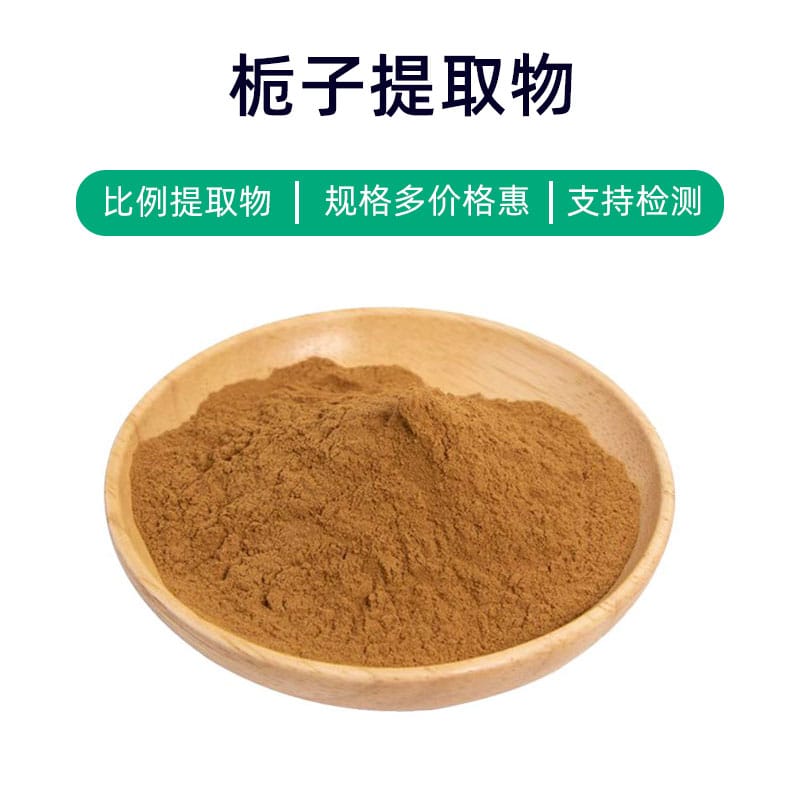
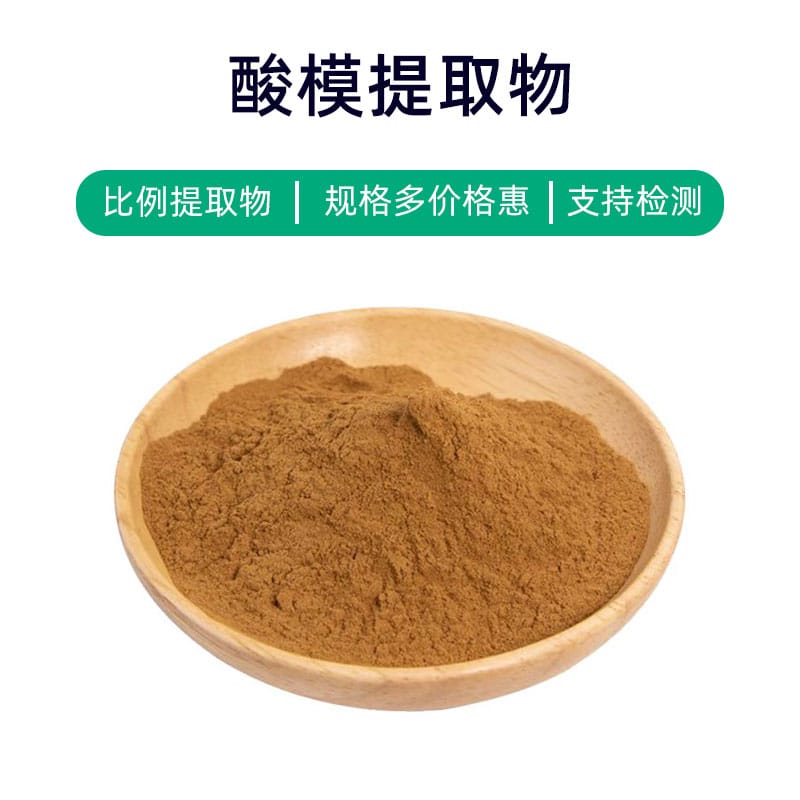



Introduction to Sorrel Extract
Sorrel extract is a natural plant extract derived from sorrel (Acidum species), primarily composed of various acid compounds, such as lactic acid. These compounds give sorrel extract numerous effects and applications.
Firstly, sorrel extract finds wide application in the food industry. It is often used as a flavoring agent, enhancing the taste and flavor of foods. Additionally, sorrel extract is used in the production of sauces, beverages, and candies, providing flavor enhancement and preservation.
Secondly, sorrel extract has certain values in the pharmaceutical field. Due to its antibacterial, antioxidant, and moisturizing properties, it is commonly used in some oral care products, skin care products, and drug formulations. For example, in oral care products, sorrel extract can effectively inhibit bacterial growth in the mouth, preventing oral diseases.
Furthermore, sorrel extract is frequently utilized in the cosmetics industry. It can serve as an ingredient in skincare and makeup products, offering benefits such as skin conditioning, improving skin texture, and enhancing moisturizing properties. Common cosmetic products like masks, lotions, and creams may contain sorrel extract.
Overall, as a natural plant extract, sorrel extract has broad application prospects and plays an important role in food, pharmaceuticals, and cosmetics, providing various health and beauty benefits while ensuring product quality and safety.
Production Process of Sorrel Extract
The production process of sorrel extract primarily includes the following steps:
- Plant Material Collection: First, fresh sorrel plants need to be collected as raw materials. The collected sorrel should have good quality and maturity, usually gathered during the growing season.
- Washing and Processing: The collected sorrel is washed and processed to remove impurities and surface dirt, ensuring the purity and quality of the extract.
- Extraction: Next, the processed sorrel plants undergo extraction. Various methods can be used, commonly including water extraction and organic solvent extraction. During the extraction process, parameters such as temperature, time, and pressure are controlled to ensure efficiency and quality.
- Filtration and Concentration: The liquid obtained from extraction needs to be filtered to remove solid particles and impurities. Then, the solution is concentrated to reach the desired extract concentration.
- Drying and Grinding: The concentrated extract is dried to remove moisture and obtain a solid product. The dried product is then ground to achieve the required particle size and form.
- Quality Testing: The finished sorrel extract undergoes quality testing, including component analysis, physicochemical property testing, and microbiological testing to ensure compliance with relevant standards and regulations.
- Packaging and Storage: Finally, the product is packaged using appropriate materials and containers, labeled with product information and production dates, and stored. Sorrel extract should be properly stored in a dry, cool environment, avoiding direct sunlight and high temperatures.
These are the typical production processes for sorrel extract, with strict control needed at each step to ensure product quality and safety.
Effects and Side Effects of Sorrel Extract
Sorrel extract is a common herbal ingredient with various effects and functions, mainly including:
- Anti-Inflammatory and Antibacterial: Sorrel extract contains multiple active components that provide significant anti-inflammatory and antibacterial effects, allowing it to be used for treating skin inflammation and infections.
- Antioxidant: The active components in sorrel possess certain antioxidant capabilities, helping to reduce cellular damage from free radicals, slow down aging, and improve skin conditions.
- Pain Relief and Itch Relief: Sorrel extract can effectively alleviate pain and itching, suitable for conditions like skin itching and eczema.
- Promoting Wound Healing: Sorrel extract can enhance the healing and repair of wounds, accelerating the regeneration of skin tissue and being suitable for some superficial wounds and ulcers.
- Immune Regulation: Sorrel extract has a regulating effect on the immune system, enhancing the body's resistance and improving immune function.
While sorrel extract is generally safe, attention should be paid to the following side effects and precautions:
- Allergic Reactions: Some individuals may experience allergic reactions to certain components in sorrel extract, resulting in skin redness, swelling, or itching. Use should be discontinued, and medical advice sought if these occur.
- Quality Caution: It is essential to purchase sorrel extract products through reputable channels to avoid low-quality or contaminated products that could negatively affect health.
- Dosage Control: When using sorrel extract, it should be used according to the dosage suggested by medical professionals or product guidelines, avoiding arbitrary adjustments to prevent adverse reactions.
Overall, sorrel extract has extensive application value in pharmaceuticals and cosmetics, but caution is necessary during use to avoid unnecessary side effects or safety issues. If special circumstances arise or discomfort occurs, timely consultation with medical professionals or experts is advised.
Application Scenarios and Dosage of Sorrel Extract
Sorrel extract has wide applications in the pharmaceutical, food, and cosmetics fields. Here are specific application scenarios and recommended dosages:
- Application in Pharmaceuticals:
- Anti-inflammatory and Antibacterial: Sorrel extract can be used to prepare anti-inflammatory ointments and disinfectants, effective for skin inflammation and infections. Usage: Combine a suitable amount of sorrel extract with a base agent for topical application, 1-2 times daily.
- Wound Healing: Sorrel extract promotes wound healing; it can be made into dressings or ointments to speed up repair. Usage: Apply sorrel extract evenly on the wound's surface, changing it 1-2 times daily.
- Application in Food:
- Preservation: Sorrel extract has certain antioxidant and antibacterial properties, suitable for food preservation. Usage: Add a suitable amount of sorrel extract to food, adhering to food additive standards.
- Food Additive: Sorrel extract can act as a natural food additive, enhancing the taste and nutritional value of food. Usage: Add an appropriate amount following food safety standards and regulations.
- Application in Cosmetics:
- Skincare Products: Sorrel extract has moisturizing, anti-inflammatory, and antioxidant effects, making it suitable for skincare products like creams and lotions. Usage: Follow product instructions or medical advice for use.
- Haircare Products: Sorrel extract can also be used in shampoos and body washes for soothing the scalp and reducing dandruff. Usage: Use according to product instructions.
Regarding dosage, specifics should be based on the product formulation and usage requirements, generally adhering to the following principles:
- For Medical Use: Follow the recommended dosage as per instructions or medical advice.
- For Food Additives: Add according to the standard dosage for food additives, strictly controlling the amount used.
- For Cosmetics: Use according to the instructions or medical advice, avoiding excessive use.
In summary, the application of sorrel extract across various fields requires careful usage, compliance with relevant regulations and standards to ensure product safety and effectiveness. If any special circumstances arise or discomfort is experienced, it is advisable to consult professionals for guidance.
Introduction to the Source Plant of Sorrel Extract, Distribution, and Growth Environment
Sorrel extract is an important natural plant extract sourced from the sorrel tree. Below is an introduction to the botanical characteristics, distribution, and growth environment of the sorrel tree.
- Introduction to the Sorrel Tree (Scientific Name: Phellodendron amurense):
- The sorrel tree, also known as the huangbai tree, belongs to the Rutaceae family and the Phellodendron genus, characterized as an evergreen tree that can exceed 20 meters in height.
- Its bark is gray-brown, longitudinally fissured, with varying-sized vertical pores, possessing a distinctly bitter taste and aroma.
- Distribution:
- The sorrel tree is originally found in northeastern China, the Russian Far East, North Korea, and northern Japan, mainly distributed in temperate and cold regions.
- In China, the sorrel tree is primarily distributed in provinces like Heilongjiang, Jilin, and Liaoning, with the greatest prevalence in Heilongjiang.
- Growth Environment:
- The sorrel tree thrives in warm, humid environments, showing strong adaptability and not demanding strict soil conditions, though it favors rich and loose loamy soil.
- This species is quite cold-resistant, able to grow normally even in cold winters but is intolerant to saline-alkali and waterlogged conditions.
The sorrel tree, rich in sorrel extract in its bark and roots, is widely used in traditional medicine and the production of plant extracts. Its main growing region is northeastern China, where the climatic conditions and soil environment promote the sorrel tree’s growth, making it a key source of sorrel extract.
Processing and Storage of Sorrel Extract
The processing of sorrel extract primarily includes the following steps: First, the bark or roots of the sorrel tree are collected, followed by washing, cutting, and grinding to extract effective components. The extract is typically obtained through steeping, distillation, or solvent extraction methods. When storing, keep it in a cool, dry place, avoiding direct sunlight and high temperatures, sealing it to prevent moisture intrusions, ensuring product quality and stability.

Monica Sun is a seasoned expert in the plant extraction industry with over a decade of experience in research and production. She specializes in the extraction and purification of plant active ingredients, focusing on driving innovation in natural product applications. Monica has participated in the development of multiple functional plant extracts, delivering high-value natural raw material solutions for the health food, pharmaceutical, and dietary supplement sectors.