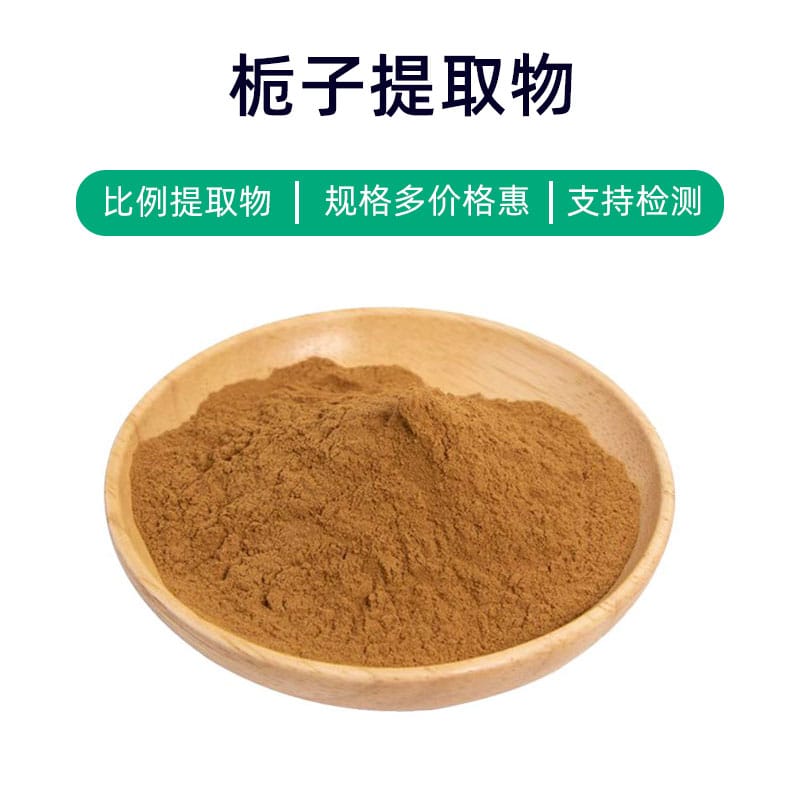
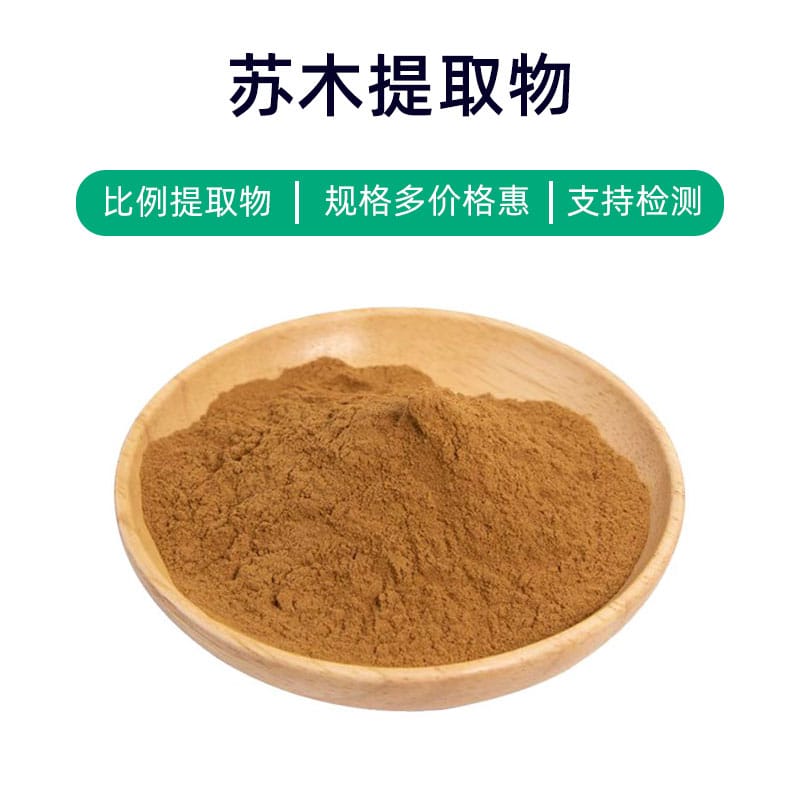



Sandalwood Extract Product Introduction
Sandalwood extract is a natural plant extract obtained from the bark, branches, or leaves of the sandalwood tree. Its main components include various active ingredients such as sandalwood alcohol and sandalwood ketone. Sandalwood extract is widely utilized in the fields of fragrance, cosmetics, and personal care products.
- Main Components: The primary components of sandalwood extract include sandalwood alcohol and sandalwood ketone, which offer a unique scent and moisturizing properties.
- Effects: Sandalwood extract has soothing, calming, antibacterial, and antioxidant effects. It can help reduce skin inflammation, soothe sensitive skin, provide moisturizing benefits, and has anti-aging and skin elasticity improvement properties.
- Applications: Sandalwood extract is commonly used in cosmetics and personal care products, such as creams, lotions, masks, and perfumes. It is added to skincare products to enhance skin texture, reduce fine lines and wrinkles, and help maintain youthful and healthy skin.
Overall, sandalwood extract, as a natural plant extract, holds significant value in cosmetics and personal care products by offering various skincare benefits that are favored by consumers.
Sandalwood Extract Production Process
The production process of sandalwood extract usually involves the following steps:
- Raw Material Preparation: First, gather fresh and high-quality parts of the sandalwood tree, such as bark, branches, or leaves.
- Crushing: The collected plant parts are crushed to increase extraction efficiency and surface area, typically using mechanical grinding or cutting methods.
- Solvent Extraction: The crushed plant material is mixed with an appropriate solvent (such as ethanol or ethyl acetate) for steeping, allowing the solvent to extract active components from the plant.
- Filtration: The extracted mixture is filtered to remove plant residue and impurities, resulting in a clear extract.
- Concentration Evaporation: The filtrate is evaporated to remove the solvent and concentrate the extract to a certain degree, yielding concentrated sandalwood extract.
- Freeze-Drying: The concentrated extract undergoes freeze-drying to turn it into a powder form for easier packaging and storage.
- Packaging and Storage: The freeze-dried sandalwood extract is packaged in sealed containers and stored in a dry, cool, dark environment, avoiding direct sunlight and moisture.
It is important to rigorously control temperature, time, and pressure during the solvent extraction and concentration evaporation stages to ensure the quality and purity of the extract. Additionally, the production process must comply with relevant regulations and standards, ensuring that the product meets safety and quality requirements.
Benefits and Side Effects of Sandalwood Extract
Sandalwood extract is a commonly used herbal extract with multiple benefits and effects:
- Antioxidant Properties: Sandalwood extract is rich in natural antioxidants, such as polyphenols and vitamin C, effectively neutralizing free radicals in the body and reducing oxidative stress damage.
- Anti-inflammatory and Antibacterial Effects: The active components in sandalwood extract exhibit good anti-inflammatory and antibacterial properties, helping to alleviate inflammatory reactions and inhibit various bacteria, fungi, and viruses.
- Immunity Enhancement: Sandalwood extract can boost the body's immunity by promoting the production and activity of immune cells, enhancing resistance to various diseases.
- Cardiovascular Health Protection: Some components in sandalwood extract help lower blood pressure, reduce blood lipids, and prevent thrombosis, contributing to cardiovascular health and the prevention of cardiovascular diseases.
- Antitumor Activity: Certain active components in sandalwood extract have inhibitory and toxic effects on specific tumor cells, aiding in the prevention and treatment of certain tumors.
- Digestive Promotion: Sandalwood extract promotes gastrointestinal motility and enhances digestive enzyme activity, helping to alleviate indigestion and gastrointestinal disorders.
- Anti-aging Effects: The antioxidants and nutrients in sandalwood extract help delay the aging process of cells, maintaining skin and overall health.
Sandalwood extract is generally safe for most people, with minimal side effects. However, individuals such as pregnant or breastfeeding women and those with certain chronic conditions should consult a physician before use to avoid possible adverse reactions. Additionally, it is important to follow product instructions or medical advice regarding dosage to ensure safe and effective benefits.
Applications and Dosage of Sandalwood Extract
Sandalwood extract has a wide range of applications in medicine, food, and cosmetics, offering various benefits. Below are its applications and dosage recommendations in different fields:
- Medicine:
- Application Scenarios: Sandalwood extract is often used in traditional Chinese medicine formulations for body regulation, immune enhancement, and metabolism promotion.
- Dosage: Typically, a physician will determine the dosage and method based on the patient’s specific condition and physical characteristics, and it is advisable to follow medical advice.
- Food:
- Application Scenarios: Sandalwood extract can serve as a food additive, commonly used in beverages, health supplements, and candies to enhance nutritional value and flavor.
- Dosage: Depending on the type of food and production process, a general recommendation is to add 1-5 grams of sandalwood extract per kilogram of food.
- Cosmetics:
- Application Scenarios: Sandalwood extract is commonly found in skincare products, shampoos, and masks, providing antioxidant, whitening, and moisturizing benefits.
- Dosage: Specific usage and dosage should be based on product instructions or manufacturer recommendations. Generally, for topical products, it is recommended to apply an adequate amount evenly on the skin and massage for absorption.
In summary, sandalwood extract, as a natural plant extract, is widely used across medicine, food, and cosmetics, demonstrating good safety and efficacy. However, individual use should adhere to product instructions or medical guidelines to avoid adverse reactions from overuse or improper use. Special populations, such as pregnant women, breastfeeding women, and individuals with specific health conditions, should consult with a physician to ensure safe and effective use.
Introduction to the Source Plant of Sandalwood Extract: Distribution and Growth Environment
Sandalwood (Scientific name: Dalbergia odorifera T. Chen) is a species of tree in the legume family and an important economic timber. Below is a detailed description of the source plant of sandalwood extract, its distribution, and its growth environment:
- Plant Introduction:
Sandalwood is an evergreen tree that can reach heights of up to 25 meters, with gray-brown bark and a broad, oval or rounded crown. Its leaves are compound, with 2-3 pairs of leaflets that are oval to oblanceolate, and both sides are covered with fine hairs. The flowers are small and borne in axillary umbels; the fruit is a flat legume, with seeds exposed at maturity. Sandalwood possesses a distinctive fragrance, widely used in making furniture, crafts, musical instruments, and as medicinal material. - Distribution:
Sandalwood is native to southern China and is mainly found in provinces such as Fujian, Guangdong, Guangxi, Jiangxi, and Hunan, thriving in evergreen broadleaf forests and mixed coniferous-broadleaf forests in low mountainous hilly areas. Additionally, sandalwood is distributed in regions of Vietnam and Laos. - Growth Environment:
Sandalwood prefers a warm, humid climate and has high requirements for temperature and humidity. It generally grows at altitudes below 300 meters, thriving in acidic or neutral sandy loam with good drainage. During its growth period, sandalwood requires ample sunlight and moderate moisture, with lower demands on soil fertility, although overly fertile soil may lead to vigorous growth.
Sandalwood grows slowly in natural environments; thus, most sandalwood is currently cultivated artificially for economic forestry and timber processing. Due to its unique fragrance, sandalwood extract is also widely used in medicine, cosmetics, and fragrance.
Overall, sandalwood, as an important tree species with economic and medicinal value, requires proper management and protection to ensure sustainable utilization of its resources.
Processing and Storage of Sandalwood Extract
The processing of sandalwood extract typically includes the following steps: First, the sandalwood is pre-processed to remove impurities and cut the tree, followed by drying to ensure the moisture content meets requirements. Next, crushing, extracting, and concentrating take place using appropriate solvents. The extract is then further refined and packaged to ensure product quality.
For storing sandalwood extract, it is generally recommended to keep it in a dry, cool, and well-ventilated environment, avoiding direct sunlight and high temperatures. It is advisable to use sealed containers to prevent air and moisture exposure, maintaining product stability and efficacy. Additionally, it is important to prevent moisture and sunlight exposure, regularly check, and ensure the container's seal integrity.

Monica Sun is a seasoned expert in the plant extraction industry with over a decade of experience in research and production. She specializes in the extraction and purification of plant active ingredients, focusing on driving innovation in natural product applications. Monica has participated in the development of multiple functional plant extracts, delivering high-value natural raw material solutions for the health food, pharmaceutical, and dietary supplement sectors.