


Introduction to Lycopodium Extract
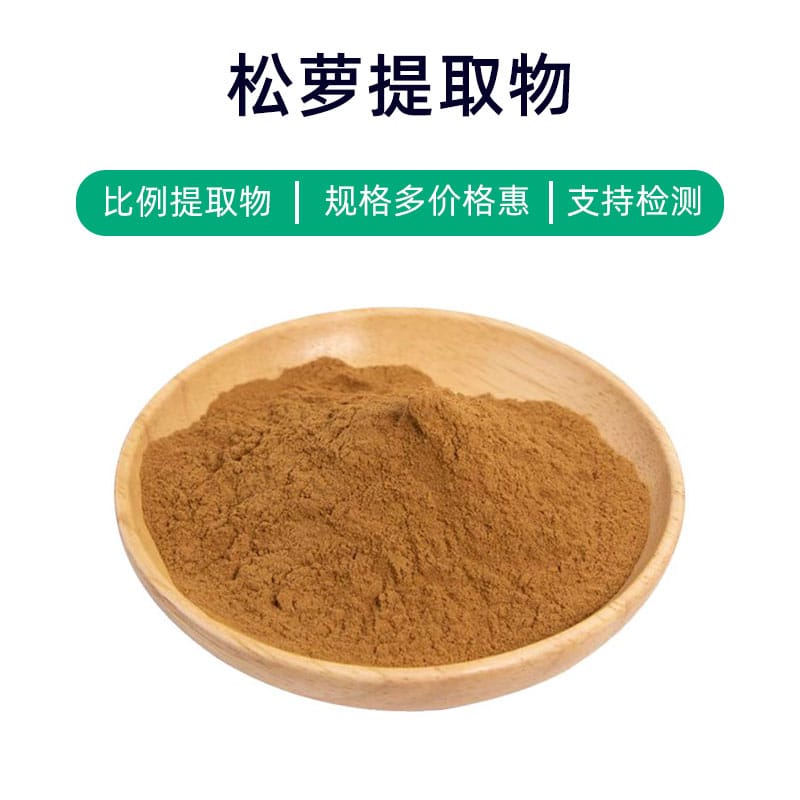
Lycopodium extract is a natural plant extract derived from the Lycopodium plant, consisting mainly of active compounds such as alkaloids. It has significant application value in pharmaceuticals, dietary supplements, and cosmetics, primarily for skincare and antioxidant properties. Lycopodium extract exhibits excellent antioxidant capabilities, able to neutralize free radicals and slow down the skin aging process, resulting in smoother, firmer skin. Additionally, it possesses anti-inflammatory properties, helping to soothe skin discomfort and redness. In cosmetics, Lycopodium extract is commonly found in skincare products, masks, and anti-aging formulations, enhancing skin texture, elasticity, and hydration. In pharmaceutical and health supplement sectors, it is valued for its antioxidant, anti-inflammatory, and blood circulation-promoting effects, supporting overall health and immunity. Overall, Lycopodium extract is a safe and effective natural ingredient with significant applications across various fields.
Production Process of Lycopodium Extract
The production process for Lycopodium extract generally includes the following main steps:
- Raw Material Collection: Fresh Lycopodium plants are collected as raw materials. These plants typically grow on moist rocky surfaces in forests, harvested during suitable seasons and environments.
- Plant Processing: The collected plants are washed and processed to remove impurities, soil, and other contaminants, ensuring the extract's purity and quality.
- Extraction Process: The cleaned plants are sent to extraction equipment, typically using water extraction or solvent extraction methods. Water extraction is one of the most common techniques, involving soaking, filtering, and other steps to extract active components from Lycopodium.
- Concentration and Purification: The resulting solution from extraction undergoes concentration and purification to remove moisture and other impurities, enhancing the purity and concentration of the extract. Common methods include concentration, distillation, and crystallization.
- Drying: The concentrated and purified extract is then dried to convert it into powder or granule form. Common drying methods include spray drying and vacuum drying.
- Quality Inspection: The extract is subjected to quality testing, including active component content, purity, and microbiological testing, ensuring the product meets relevant standards.
- Packaging and Storage: Finally, the qualified extract is packaged—usually in sealed containers—to prevent oxidation and moisture exposure. The packaged products are stored in a cool, dry environment, avoiding direct sunlight and high temperatures to maintain stability and the effectiveness of active components.
Effects and Side Effects of Lycopodium Extract
Lycopodium extract is a natural extract with a variety of effects and benefits:
- Antioxidant Properties: Rich in natural antioxidants such as polyphenols and vitamins, it helps neutralize free radicals, protecting cells from oxidative stress and slowing the aging process.
- Anti-Inflammatory Effects: Active ingredients in Lycopodium extract exhibit significant anti-inflammatory properties, inhibiting inflammatory responses and alleviating related discomfort and symptoms.
- Moisturizing and Hydration: It contains abundant moisture and hydrating factors, effectively locking in skin moisture and enhancing the skin's hydration capacity for a soft and supple appearance.
- Promotes Wound Healing: Lycopodium extract aids in cell regeneration and tissue repair, accelerating the wound healing process and reducing scar formation while improving healing quality.
- Antibacterial and Anti-Inflammatory: It contains various antibacterial active components that suppress the growth of bacteria, fungi, and viruses, serving antibacterial and anti-inflammatory functions.
- Soothes Sensitivity: The extract provides gentle soothing and anti-allergic effects, alleviating symptoms such as allergy, redness, and itching, restoring skin comfort and health.
- Enhances Skin Radiance: Active ingredients in the extract stimulate skin cell metabolism, purifying the skin and lightening blemishes for a healthy, bright glow.
- Improves Scalp Health: Lycopodium extract regulates oil secretion on the scalp, cleanses it, reduces dandruff, and addresses issues like itchiness.
- Promotes Hair Growth: Bioactive components in the extract enhance blood circulation to hair follicles, accelerating hair growth and improving the overall health and resilience of hair.
While Lycopodium extract offers numerous benefits, individual responses and allergies should be considered. It's advisable to conduct a patch test and consult a healthcare professional before use to ensure safety and effectiveness.
Application Scenarios and Dosages for Lycopodium Extract
Lycopodium extract has extensive applications in medicine, food, and cosmetics. Here are the main application scenarios and recommended dosages:
- Medical Field:
- Treatment of Skin Diseases: The extract’s anti-inflammatory, antibacterial, and soothing properties make it useful for treating eczema, dermatitis, and acne. Apply an appropriate amount to affected areas 1-2 times per day.
- Wound Healing: Its tissue regeneration and wound healing properties are beneficial for post-surgical care. Use a clean gauze to apply an appropriate amount to the wound surface, changing it 1-2 times per day.
- Food Sector:
- Nutritional Supplements: High in natural antioxidants, it can be used to produce health supplements for anti-aging and antioxidant benefits. A general recommendation is an oral intake of 50-100 mg daily.
- Cosmetics Sector:
- Skincare Products: Lycopodium extract is used in skincare formulations for its moisturizing, anti-aging, and anti-inflammatory benefits. Follow the usage instructions on the product label.
- Hair Care Products: Its soothing and anti-inflammatory effects make it suitable for shampoos and conditioners. Use according to label directions.
- Dosage Considerations:
- It’s advisable to perform a patch test prior to use to prevent allergic reactions.
- Avoid contact with the eyes; if contact occurs, rinse immediately with water and seek medical attention.
- Consult a physician for use in children, pregnant or breastfeeding women, and individuals with allergies.
In conclusion, Lycopodium extract has significant application value across medicine, food, and cosmetics, but proper usage and dosages should be tailored to individual circumstances according to product guidelines.
Overview of Lycopodium Plant Source, Distribution, and Growth Environment
Lycopodium, also known as Selaginella, is a type of ancient plant classified under the division of ferns, specifically in the Lycopodiaceae family. Here’s an introduction to its source, distribution, and growth environment.
- Plant Overview:
- Lycopodium is an original fern with characteristics typical of primitive plants, lacking flowers and generally reaching heights of no more than one meter. Its leaves have a unique spiral arrangement and are needle-like, commonly referred to as “snake feet.”
- Distribution:
- Lycopodium is widely distributed around the world, primarily found in subtropical and temperate regions, especially in humid tropical and subtropical areas. It can grow in various environments such as mountains, forests, rocky areas, and wetlands, demonstrating strong adaptability.
- Growth Environment:
- Moist Climate: Lycopodium thrives in damp environments, with high humidity favoring its growth and reproduction.
- Partial Shade: Typically growing in semi-shady settings, these plants are sensitive to sunlight; excessive exposure can cause leaf scorching and growth impediments.
- Organic-Rich Soil: Lycopodium requires nutrient-rich soil filled with organic matter to provide adequate nourishment and moisture.
Overall, Lycopodium is an ancient fern with a broad distribution and strong adaptability. It thrives in humid tropical and subtropical regions, preferring semi-shaded environments and nutrient-rich soil for optimal growth.
Processing and Storage of Lycopodium Extract
The processing of Lycopodium extract generally involves the following steps:
- Harvesting Lycopodium: Fresh Lycopodium plants are collected and processed in a timely manner to maintain the activity of effective components.
- Cleaning: The harvested Lycopodium is cleaned to remove surface impurities and dirt, ensuring the raw material's cleanliness.
- Extraction Process: Appropriate extraction methods, such as water or alcohol extraction, are employed to isolate active components from the plants.
- Concentration and Purification: The extracted solution is concentrated and purified to remove impurities and moisture, resulting in a pure extract.
- Drying: Finally, the pure extract undergoes drying to reduce moisture content, increasing stability and facilitating storage.
For storage, Lycopodium extract should be kept in a cool, dry, and ventilated area, avoiding direct sunlight and high temperatures to prevent moisture and mold. Appropriate airtight containers should be used for packaging to protect against air, moisture, and odors, ensuring the quality and stability of the extract.

Monica Sun is a seasoned expert in the plant extraction industry with over a decade of experience in research and production. She specializes in the extraction and purification of plant active ingredients, focusing on driving innovation in natural product applications. Monica has participated in the development of multiple functional plant extracts, delivering high-value natural raw material solutions for the health food, pharmaceutical, and dietary supplement sectors.