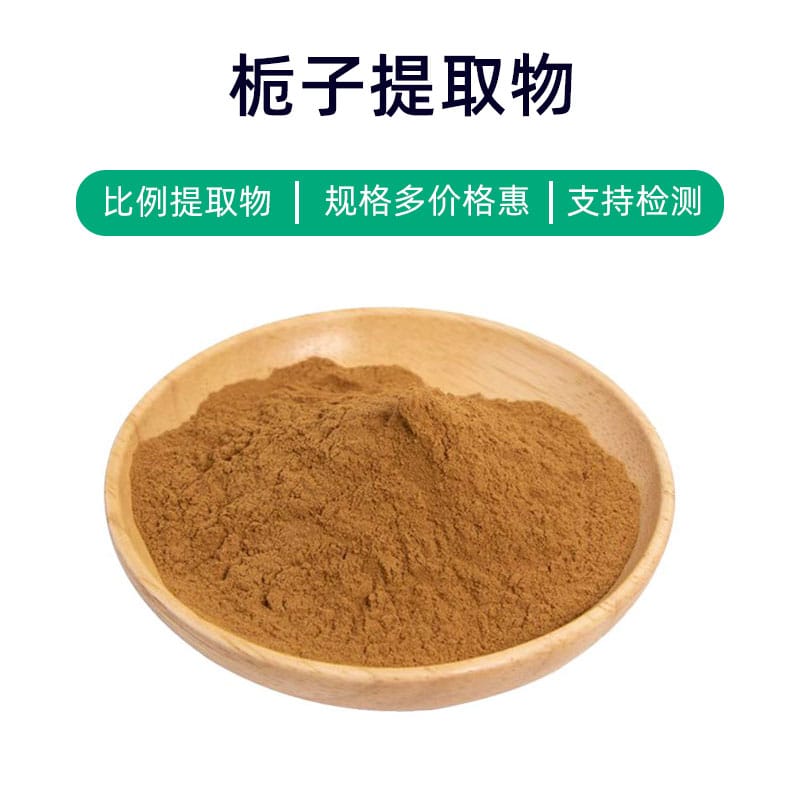
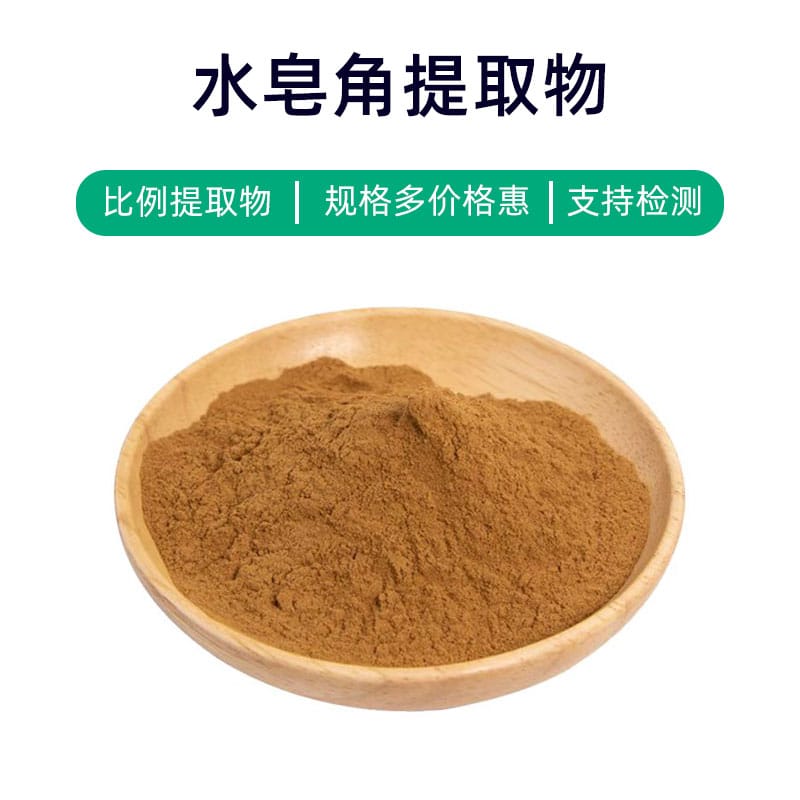



Water Chestnut Extract Product Introduction
Water Chestnut Extract is a natural plant extract derived from the fruit of the Water Chestnut (Trapa bispinosa), mainly consisting of active components such as saponins, polysaccharides, proteins, and vitamins. This extract is widely used in pharmaceuticals, food, and cosmetics.
In medicine, studies have shown that Water Chestnut Extract has various benefits. The saponins it contains are believed to help regulate blood sugar, lower fat levels, and offer anti-inflammatory and antioxidant effects, which can improve blood sugar and lipid levels, reduce damage caused by oxidative stress, and provide some anti-inflammatory benefits. These properties make it a valuable adjunct in treating chronic metabolic diseases such as diabetes and hyperlipidemia.
In the food industry, Water Chestnut Extract is often used as a food additive. Its unique aroma and flavor enhance the taste and nutrient profile of products, commonly found in beverages, pastries, and frozen foods.
In cosmetics, Water Chestnut Extract is also widely utilized. Rich in polysaccharides and vitamins, it offers moisturizing, antioxidant, and anti-inflammatory benefits, helping to hydrate the skin, improve texture, and provide certain anti-aging effects. Therefore, it is frequently included in skincare products and shampoos for nourishing and moisturizing benefits.
Overall, Water Chestnut Extract, as a natural plant extract, is rich in active ingredients with various benefits, making it highly valuable in the fields of medicine, food, and cosmetics.
Manufacturing Process for Water Chestnut Extract
The production process for Water Chestnut Extract typically involves the following steps:
- Raw Material Collection and Selection: Begin by selecting mature Water Chestnut fruits. Remove impurities and undesirable fruits to ensure quality.
- Cleaning and Processing: Wash the selected Water Chestnuts to remove dirt and impurities. Process the fruits through steps like shelling and pitting for the subsequent extraction process.
- Extraction Method: Use appropriate extraction methods, such as water extraction, alcohol extraction, or supercritical fluid extraction, to obtain active components from the Water Chestnuts. This often involves mixing the raw materials with a solvent, soaking, and heating to dissolve the active ingredients.
- Filtration and Concentration: Filter the resulting mixture to remove impurities and solid particles. Then, evaporate or freeze-concentrate to remove the solvent from the extraction liquid, resulting in a concentrated extract.
- Purification and Separation: Further purify and separate the concentrated extract to eliminate residual solvents and impurities, yielding pure Water Chestnut Extract.
- Drying and Grinding: Dry the purified Water Chestnut Extract to an appropriate moisture level, then grind it to achieve the desired powder form.
- Packaging and Storage: Finally, package the Water Chestnut Extract using suitable sealing materials to ensure product quality and stability. Store in a dry, cool, and light-protected environment to prevent moisture absorption and oxidation.
Benefits and Side Effects of Water Chestnut Extract
Water Chestnut Extract is a commonly used natural plant extract with various benefits and effects, primarily including:
- Antioxidant Activity: Rich in natural antioxidants such as polyphenols and flavonoids, it can neutralize free radicals, reducing oxidative stress damage to the skin and slowing the aging process.
- Anti-Inflammatory and Antibacterial Effects: Containing abundant flavonoids and alkaloids, it demonstrates significant anti-inflammatory and antibacterial properties, useful for treating skin inflammation and infections.
- Moisturizing and Hydrating: Rich in moisturizing factors and natural oils, it effectively hydrates the skin, enhances barrier function, reduces moisture loss, and keeps the skin soft and moist.
- Whitening and Spot-Lightening: Polyphenolic compounds within the extract may inhibit melanin production and breakdown, reducing pigment accumulation and lightening dark spots for a brighter and more even complexion.
- Astringent and Anti-Allergic: With abundant astringent components, it can tighten pores, balance sebum production, and improve oily skin issues. It also exhibits some anti-allergic properties, alleviating skin sensitivity and redness.
- Promotes Wound Healing: The bioactive components in Water Chestnut Extract can promote skin cell regeneration and repair, accelerating the healing process of wounds and reducing scar formation, contributing to skin restoration.
- Regulates Oil Balance: It helps regulate sebum secretion, effectively controlling shine and improving oily skin issues for a refreshed and comfortable experience.
While Water Chestnut Extract offers many benefits, individuals should remain mindful of personal differences and potential allergic reactions. If any skin discomfort or allergic symptoms occur during use, it is advisable to stop using the product and consult a professional.
Application Scenarios and Dosage of Water Chestnut Extract
Water Chestnut Extract has extensive applications in medicine, food, and cosmetics. Here are its applications and dosage in different areas:
- In Medicine:
- Treating Skin Inflammation: With its anti-inflammatory and antibacterial properties, it can be used for conditions like eczema and dermatitis. Application: Create an ointment or lotion with the extract and apply to the affected area 2-3 times a day.
- Wound Healing: It promotes wound healing and reduces infection and scarring. Application: Apply diluted Water Chestnut Extract to the wound 1-2 times daily.
- Antibacterial Oral Spray: Used for oral care, it has antibacterial and cleansing effects, helping to prevent oral diseases. Application: Spray an appropriate amount into the mouth, swish, and spit out.
- In Food:
- Antioxidant Supplements: Rich in natural antioxidants, it can be used to produce health supplements. Dosage: Follow the product's instructions for daily intake.
- Flavoring Additive: Its unique aroma and flavor are used as a seasoning additive in foods like tea beverages and candies.
- In Cosmetics:
- Skincare Formulation: Water Chestnut Extract can be added to cosmetics for its moisturizing, antioxidant, and anti-inflammatory effects, commonly found in creams, lotions, and masks. Application: Apply to clean skin as per product instructions, gently massaging until absorbed.
- Cleansing Products: It can be incorporated into cleansing products for gentle cleaning and pore-tightening effects, suitable for all skin types. Application: Dispense an appropriate amount of the cleansing product, lather with water, gently massage the face, and rinse with clean water.
- Dosage:
- In Medicine: Dosage should follow a doctor’s recommendation or product guidelines.
- In Food: As instructed in product guidelines for daily consumption.
- In Cosmetics: Use as directed in product guidelines based on individual needs.
The applications of Water Chestnut Extract in different fields should be chosen according to specific situations and product requirements, adhering to proper usage and dosage for optimal results.
Introduction to the Source Plant of Water Chestnut, Distribution, and Growth Environment
Water Chestnut (scientific name: Sapindus mukorossi) is a common deciduous tree belonging to the Sapindaceae family. Here’s an overview of the Water Chestnut’s source plant, its distribution, and growth environment:
- Plant Introduction:
Water Chestnut is a perennial tree that can grow over 20 meters tall, with a broad, umbrella-shaped canopy. The bark is gray or gray-brown, and the crown spreads wide. The leaves are odd-pinnate compound leaves, with leaflets that are oval to long-oval and have short petioles. The flowers are small, yellow-green, and bloom in umbrella-like clusters during the summer. The fruit is spherical, about 1.5 cm in diameter, with a fleshy rind that turns yellow when ripe, containing a hard seed that can be used to extract saponins. - Distribution:
Water Chestnuts are primarily found in Asia, including China, India, Nepal, and Bangladesh. In China, they are widely distributed, mainly flourishing in the Yangtze River basin and southern regions such as Hunan, Guangxi, Sichuan, and Yunnan provinces. - Growth Environment:
Water Chestnut prefers a warm and humid climate and can adapt to a range of altitudes, growing from low to mid-elevations. They are commonly found in mountainous areas, hill slopes, riverbanks, and field borders. Water Chestnuts are not particularly demanding about soil types but thrive best in well-drained, loose sandy loam. Ideal temperatures for growth range from 15°C to 25°C, with ample rainfall and sunlight beneficial for their development.
Overall, Water Chestnut is a common tree species with broad distribution and strong adaptability to growth conditions, primarily found in the warm, humid regions of Asia. It is an important economic plant.
Processing and Storage of Water Chestnut Extract
The processing of Water Chestnut Extract typically involves the following steps: First, mature Water Chestnut fruits are harvested, and the flesh is removed before drying or dehydrating. The dried fruits are then crushed or ground to produce the extract. Finally, effective components are extracted from the Water Chestnut using solvent extraction or supercritical fluid extraction methods to obtain the Water Chestnut Extract.
For storage, Water Chestnut Extract should be kept in a dry, cool, well-ventilated place, away from direct sunlight and humid environments. It should also avoid contact with toxic or odorous substances to maintain its quality. Proper storage methods help extend the shelf life and preserve the stability of the Water Chestnut Extract.

Monica Sun is a seasoned expert in the plant extraction industry with over a decade of experience in research and production. She specializes in the extraction and purification of plant active ingredients, focusing on driving innovation in natural product applications. Monica has participated in the development of multiple functional plant extracts, delivering high-value natural raw material solutions for the health food, pharmaceutical, and dietary supplement sectors.