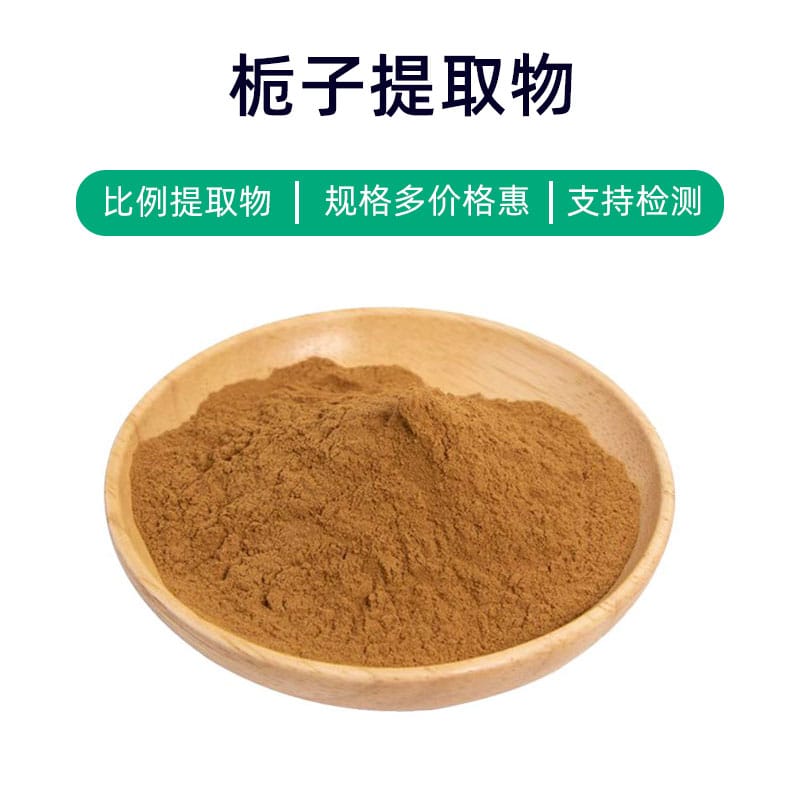



Coptis Extract Product Introduction
Coptis Extract is derived from the roots of the Coptis plant, with main components including berberine and coptisine. This extract is extensively used in pharmaceuticals, dietary supplements, and cosmetics. It has antibacterial, anti-inflammatory, and antioxidant properties, making it useful for treating skin inflammation, oral ulcers, and in skincare products for regulating oily skin, reducing acne, and eliminating acne scars. In oral supplements, it is also used to boost immunity and regulate gastrointestinal function. Overall, Coptis Extract has significant application prospects in medicine and cosmetics, being a natural extract with multiple health benefits.
Coptis Extract Production Process
The production process for Coptis Extract generally includes the following steps:
- Raw Material Preparation: Select high-quality Coptis plant roots, wash to remove impurities, and perform initial drying.
- Crushing and Grinding: Crush or grind the prepared Coptis roots to enhance extraction efficiency.
- Solvent Extraction: Use an appropriate solvent (such as ethanol or water) to extract from the crushed Coptis, typically using methods like soaking or percolation to dissolve the active ingredients in the solvent.
- Concentration of Extracted Solution: Filter and concentrate the extracted solution, removing moisture from the solvent to obtain a concentrated extract.
- Precipitation Separation: Adjust the pH of the concentrated solution to promote the precipitation of active components.
- Solid-Liquid Separation: Use centrifugation or filtration methods to separate the precipitate from the solution, yielding the Coptis extract.
- Drying the Final Product: Dry the precipitate to remove remaining moisture, resulting in the dried Coptis extract.
- Crushing and Screening: Crush and screen the dried extract to achieve the desired particle size range.
- Quality Inspection: Perform quality checks on the final product, including appearance, content, and purity testing to ensure compliance with relevant standards.
- Packaging and Storage: Package qualified Coptis Extract products using sealed, moisture-proof methods to ensure quality and stability.
Coptis Extract Efficacy and Side Effects
Coptis Extract is a natural herbal extract with various effects and benefits, primarily including:
- Antibacterial and Anti-inflammatory: Contains active components like berberine and coptisine, effective in inhibiting the growth of various bacteria, fungi, and viruses, aiding in the treatment of infectious diseases and skin inflammation.
- Anti-inflammatory and Analgesic: Suppresses inflammatory responses and alleviates tissue swelling and pain, showing therapeutic effects for rheumatoid arthritis and gastrointestinal ulcers.
- Antioxidant: Rich in flavonoids and polyphenols, it demonstrates significant antioxidant effects, clearing free radicals from the body, slowing aging, and protecting cardiovascular health.
- Digestive Aid: Stimulates gastric mucous secretion of gastric acid and bile, enhances gastrointestinal motility, assisting in digestion and absorption for indigestion and gastritis.
- Anti-allergic: Contains multiple active ingredients that alleviate allergic reactions, easing symptoms of allergic rhinitis and hives.
- Immune Regulation: Modulates the immune system, enhancing immune function and resistance to infections and inflammation.
Despite its many benefits, there are potential side effects and precautions to consider:
- Gastrointestinal Discomfort: Long-term or high-dose use may cause gastrointestinal discomfort, including nausea, diarrhea, and stomach pain.
- Allergic Reactions: Some individuals may experience allergies to components in Coptis Extract, leading to rashes, itching, or breathing difficulties; use should be discontinued immediately.
- Drug Interactions: Coptis Extract may affect the absorption, metabolism, or excretion of certain medications; consult a doctor to avoid concurrent use with other drugs.
- Caution for Pregnant and Nursing Women: Due to certain pharmacological effects, caution is advised for pregnant or nursing women to prevent adverse effects on the fetus or infant.
Overall, Coptis Extract is a widely applicable natural herbal extract, but it is important to use it responsibly to avoid adverse reactions. It is advised to use under medical supervision, especially for those with chronic illnesses or on long-term medication.
Coptis Extract Application Scenarios and Dosage
Coptis Extract is widely used in pharmaceuticals, food, and cosmetics. Here are the main application scenarios and dosages for each field:
- Pharmaceutical Applications:
- Antibacterial and Anti-inflammatory: Coptis Extract is commonly used for treating infectious diseases like respiratory and gastrointestinal infections. Typical dosage is 0.5 to 1 gram per dose, 2-3 times a day for adults.
- Anti-inflammatory and Analgesic: For inflammatory diseases such as rheumatoid arthritis and gastrointestinal ulcers, it can help reduce pain and inflammation. The method of use is usually oral or topical, with dosage adjusted based on condition and medical advice.
- Digestive System Health: Beneficial for gastrointestinal protection, it can be used as an adjunct therapy for indigestion and gastritis, typically dosed at 0.5 to 1 gram, 2-3 times a day.
- Skin Inflammation Treatment: Coptis Extract may be used for treating skin inflammation like eczema and ulcers, commonly applied in ointments or washes, with dosage adjusted according to condition and medical advice.
- Food Industry Applications:
- Preservatives: Coptis Extract has antibacterial and antioxidant properties, making it useful as a natural preservative and antioxidant in food processing, typically used at 0.1% to 0.5% of the total food amount.
- Flavoring: It can also be used as a seasoning to enhance the flavor and taste of food, with dosage adjusted based on individual taste and food type.
- Cosmetics Applications:
- Skincare Products: Coptis Extract's antibacterial, anti-inflammatory, and antioxidant properties make it valuable in skincare products like masks, lotions, and serums to purify skin and enhance complexion, generally used at 1% to 5% of the total product.
- Cleansing Products: Commonly found in cleansing products, it helps clean pores, control oil secretion, and reduce acne and blackhead formation, typically used at 1% to 3% of the total product.
When using Coptis Extract, it's important to follow specific guidelines and product instructions to avoid excessive or improper use to prevent side effects. Special groups such as pregnant or nursing women and those with specific health conditions should use it under doctor’s supervision.
Coptis Plant Description, Distribution, and Growing Environment
Coptis (scientific name: Coptis chinensis Franch.) is a perennial herbaceous plant belonging to the Ranunculaceae family and Coptis genus. It is a medicinal plant rich in active components like berberine, widely used in Traditional Chinese Medicine and health supplements. Here’s a description of the Coptis plant, its distribution, and growing environment:
- Plant Description:
- Coptis is an evergreen perennial herb with a creeping rhizome, producing yellow fibrous roots. The leaves are divided into three leaflets and have a glossy, palmate appearance.
- Its flowering period is in late spring to early summer, with small yellow flowers clustered at the top of the stem, forming a conical inflorescence. The fruit is a cluster that turns red upon ripening and contains multiple seeds.
- Distribution:
- Coptis is primarily distributed in central and eastern China, including provinces like Hubei, Hunan, Sichuan, Shaanxi, Guizhou, Anhui, and Henan. It typically grows in warm and humid mountainous or valley areas.
- Coptis has also been cultivated in suitable areas artificially, showing good growth under managed conditions.
- Growing Environment:
- Coptis prefers damp, shaded environments, usually found at altitudes of 1,000 to 2,000 meters in mountainous or valley areas. It has low soil requirements but thrives in loose, moist, and organic-rich soils.
- The growing environment should have good drainage to avoid waterlogging. During its growth, ample sunlight and moderate rainfall are key factors for its development.
In summary, Coptis is a widely distributed medicinal plant primarily found in central and eastern China, flourishing in warm, humid mountainous or valley regions, favoring damp conditions and loose, organic-rich soils.
Coptis Extract Processing and Storage
The processing of Coptis Extract primarily includes the following steps: first, the collected Coptis roots are cleaned and dried, then ground into powder. Next, appropriate solvents (such as ethanol) are used to extract the active components. After processes including soaking, filtering, concentrating, and drying, the Coptis Extract is obtained. For storage, it should be kept in a cool, dry environment, protected from direct sunlight and heat, while also preventing moisture to ensure its quality and stability.

Monica Sun is a seasoned expert in the plant extraction industry with over a decade of experience in research and production. She specializes in the extraction and purification of plant active ingredients, focusing on driving innovation in natural product applications. Monica has participated in the development of multiple functional plant extracts, delivering high-value natural raw material solutions for the health food, pharmaceutical, and dietary supplement sectors.