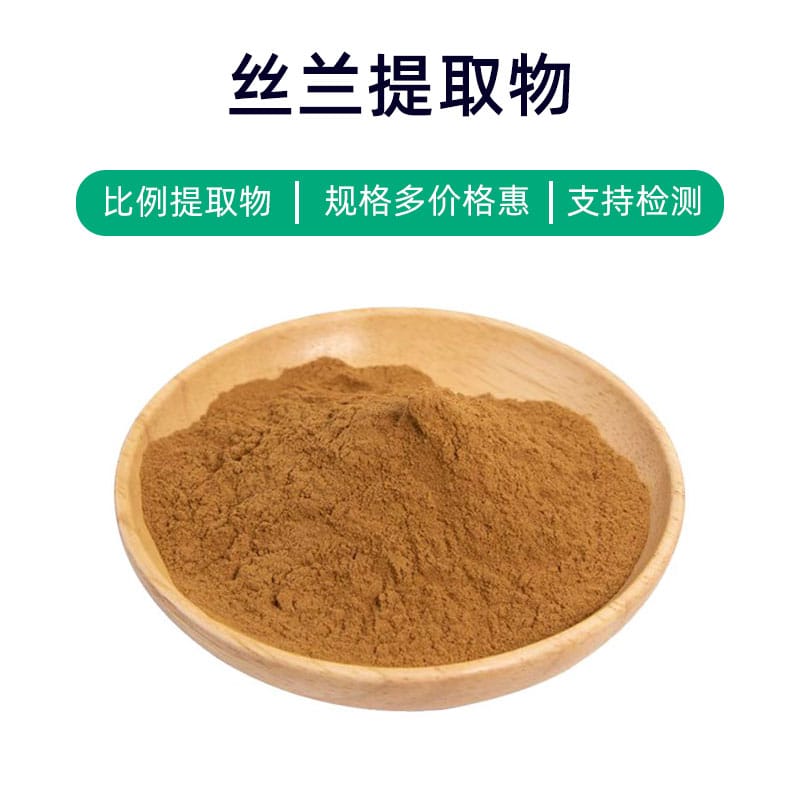



Introduction to Silk Orchid Extract
Silk Orchid Extract is a natural plant extract derived from the roots or flowers of the Silk Orchid (Cymbidium faberi). Its main components include a wealth of polysaccharides, bioactive compounds, and various vitamins, which contribute to its numerous benefits and broad applications.
First, Silk Orchid Extract is widely used in skincare and cosmetic products. Its moisturizing properties make it an ideal humectant, helping maintain skin moisture balance and address dryness issues. Additionally, being rich in antioxidants, it neutralizes free radicals, slowing down the aging process and combating skin aging. Silk Orchid Extract also possesses soothing, anti-inflammatory, and skin-repairing properties, aiding in reducing skin sensitivity and inflammation, promoting overall skin health.
Secondly, Silk Orchid Extract is also extensively used in the pharmaceutical field. Its polysaccharide components have immune-regulating and anti-inflammatory effects, making it useful for modulating immune function and enhancing the body's resistance, as well as alleviating symptoms related to inflammatory diseases. Moreover, it is used in some traditional remedies for treating specific conditions, but should be used under a doctor’s guidance.
Overall, as a natural plant extract, Silk Orchid Extract offers multiple benefits and a wide range of applications, including in skincare, cosmetics, and pharmaceuticals. Its main ingredients provide moisturizing, antioxidant, anti-aging, soothing, and anti-inflammatory effects, offering effective and safe options for health and beauty.
Production Process of Silk Orchid Extract
The production process of Silk Orchid Extract typically involves the following key steps:
- Collection: Select mature Silk Orchid plants for harvesting. Generally, the roots and flowers are the primary parts for extracting effective components.
- Washing and Processing: The collected Silk Orchid plants must be washed and processed to remove surface impurities and ensure the purity and quality of the extract.
- Crushing and Soaking: The processed parts of the Silk Orchid need to be crushed into a powder. Then, mix the Silk Orchid powder with an appropriate solvent (such as water or ethanol) for soaking. Depending on needs, multiple soakings may be performed to extract more effective components.
- Filtration and Concentration: The liquid after soaking needs to be filtered to eliminate solid particles and impurities, resulting in a clear extract. Subsequently, concentrate the extract by removing excess solvent to obtain concentrated Silk Orchid Extract.
- Cooling and Crystallization: Cool the concentrated extract to promote the crystallization of effective components. By controlling the temperature and time, a purer form of Silk Orchid Extract crystals can be attained.
- Drying and Grinding: Finally, dry the crystallized precipitate to remove moisture, resulting in a dry Silk Orchid Extract. The dried extract is then ground to achieve the desired particle size.
- Packaging and Storage: Package and store the Silk Orchid Extract obtained through the above steps. A sealed, moisture-proof packaging method is typically chosen, storing it in a cool, dry environment to ensure its quality and stability.
These are the typical production processes for Silk Orchid Extract, with each step needing strict control to ensure the final product’s quality and purity.
Benefits and Side Effects of Silk Orchid Extract
Silk Orchid Extract is a commonly used natural plant extract with extensive applications in medicine, health care, and beauty. Its main benefits include:
- Antioxidant Properties: Silk Orchid Extract contains abundant polyphenols and antioxidants that can eliminate free radicals in the body, slowing cellular oxidative damage and delaying the aging process.
- Moisturizing: It has excellent moisturizing properties that provide deep hydration to the skin, enhancing its ability to retain moisture, resulting in soft and smooth skin.
- Anti-Inflammatory and Soothing: Silk Orchid Extract contains various anti-inflammatory components that can soothe the skin, reduce inflammatory responses, alleviate skin discomfort, and provide calming effects.
- Regulating Skin Oil Balance: It helps regulate sebum production, controlling excessive oil secretion and improving oily skin issues.
- Improving Skin Pigmentation: Rich in bioactive components, it can inhibit melanin formation, diminish pigmentation, even out skin tone, and brighten the complexion.
- Enhancing Skin Elasticity: The active components can promote collagen synthesis, increasing skin elasticity, reducing the appearance of wrinkles and fine lines, resulting in firmer skin.
- Antibacterial and Anti-Inflammatory: Silk Orchid Extract has certain antibacterial and anti-inflammatory effects, effectively inhibiting bacterial growth and reducing skin infections and inflammation.
- Regulating Scalp Environment: It can also balance scalp conditions, reducing dandruff and improving scalp health, promoting healthy hair growth.
Generally, Silk Orchid Extract is considered a natural product that typically doesn’t cause serious side effects. However, some individuals may experience allergic reactions; it's recommended to conduct a skin sensitivity test before use to avoid adverse reactions. If discomfort or abnormalities occur during usage, one should stop use immediately and consult a physician.
Applications and Dosage of Silk Orchid Extract
Silk Orchid Extract has a broad spectrum of applications across the pharmaceutical, food, and cosmetic industries, owing to its diverse benefits. Below are the application scenarios and dosage recommendations for different fields:
- Pharmaceutical Field:
- Treatment of Skin Inflammation: Silk Orchid Extract has anti-inflammatory and soothing properties suitable for treating skin issues like eczema and dermatitis. Usage: Formulate it into ointments or creams and apply to affected areas 2-3 times daily.
- Skin Moisturizing and Repair: Rich in moisturizing components, it can be used for hydrating and repairing dry, rough skin. Usage: Add to lotions or creams and use twice daily.
- Anti-Aging Care: With antioxidant properties, it helps prevent and delay skin aging. Usage: Formulate into masks or serums and use 2-3 times weekly.
- Food Industry:
- Flavoring Agent: Its aromatic essence can enhance flavor in recipes. Usage: Dissolve in sauces or dressings according to personal taste.
- Nutritional Supplements: Rich in vitamins and minerals, it can be used in dietary supplements. Usage: Incorporate into oral liquids or beverages and follow product guidelines.
- Cosmetic Industry:
- Skincare Products: Silk Orchid Extract can be used in various skincare products like cleansers, creams, and masks, providing moisturizing, nourishing, and antioxidant benefits. Usage: Add to cosmetics according to product guidelines.
- Hair Products: It can also be included in hair masks and shampoos to address dryness and frizz. Usage: Apply to hair, massage into the scalp, then rinse thoroughly.
When using Silk Orchid Extract, dosages should be adjusted according to the product type and intended use, adhering to guidelines provided by the product instruction manual. Additionally, individuals with sensitive skin should conduct a patch test to determine suitability.
Introduction to the Plant Source of Silk Orchid Extract, Distribution, and Growth Environment
Silk Orchid (Scientific Name: Cymbidium faberi) is a common perennial herb in the Orchidaceae family, having wide applications in medicine and cosmetics. The following details outline the plant source, distribution, and growth environments of Silk Orchid Extract:
- Plant Overview:
Silk Orchid is a perennial herb that typically grows to heights ranging from 30cm to 80cm, characterized by green fleshy leaves and flower spikes adorned with numerous blooms. The flowers come in various colors, showcasing rich patterns, and usually bloom in spring and summer. - Distribution:
Originally native to the temperate regions of Asia and some subtropical areas, Silk Orchids have been cultivated extensively around the world, thriving particularly in tropical and subtropical regions including parts of China, Southeast Asia, and other areas with suitable climates. - Growth Environment:
Silk Orchids prefer bright, warm, and humid conditions. They do well in loose, well-draining soil and require stable moisture but dislike waterlogging. They are often found in natural habitats like forests, grasslands, or areas with partial shade. - Growth Characteristics:
Silk Orchids are resilient and can adapt well, growing quickly when conditions are right. They thrive in various soil qualities, from nutrient-rich to poorer soils. They are evergreen and resist many pests and diseases, being valued not only for their beauty but also for the extracts they yield.
Overall, Silk Orchids as a prominent herbaceous plant are found extensively in appropriate regions, demonstrating strong adaptability and growth potential, ensuring a sufficient raw material supply for Silk Orchid Extract production.
Processing and Storage of Silk Orchid Extract
The processing of Silk Orchid Extract generally involves the following steps: First, fresh leaves or flowers are collected and subjected to preliminary treatment, such as washing and removing impurities. Then, the prepared plant material is extracted using methods such as water extraction, ethanol extraction, or supercritical fluid extraction. Following extraction, processes like filtration, concentration, and drying yield the final Silk Orchid Extract product.
For storage, Silk Orchid Extract should be kept in a cool, dry, dark environment to prevent moisture, mold growth, or photochemical degradation. It's essential to avoid exposure to oxygen, sunlight, high temperatures, and volatile substances to maintain its stability and activity. Generally, using sealed containers and inert gas protection can extend the shelf life of Silk Orchid Extract.

Monica Sun is a seasoned expert in the plant extraction industry with over a decade of experience in research and production. She specializes in the extraction and purification of plant active ingredients, focusing on driving innovation in natural product applications. Monica has participated in the development of multiple functional plant extracts, delivering high-value natural raw material solutions for the health food, pharmaceutical, and dietary supplement sectors.