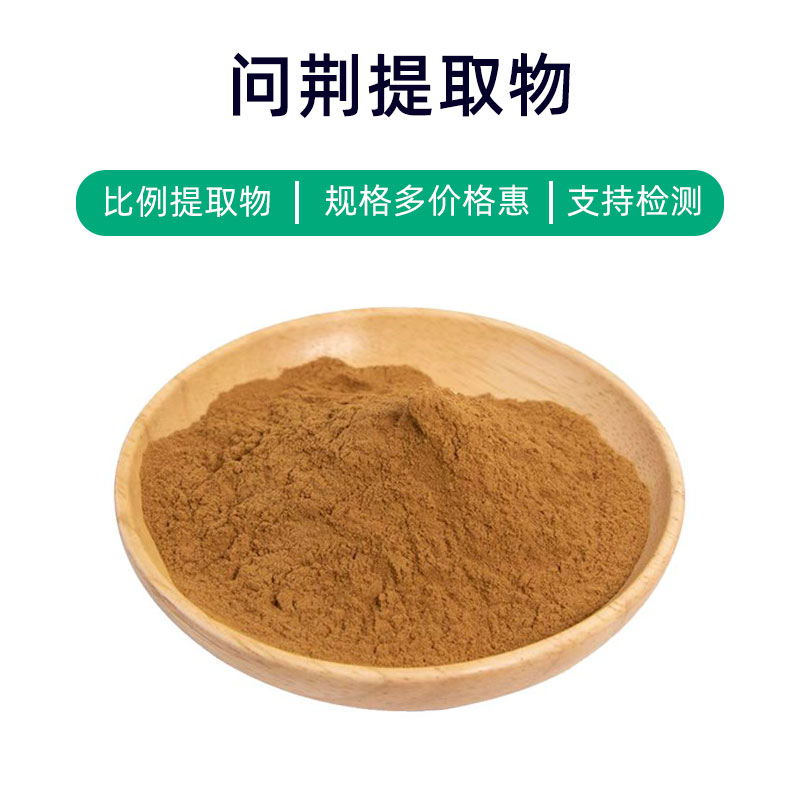



Watercress Extract Product Introduction
Watercress extract is a powdered substance derived from the above-ground parts of the watercress plant. Its primary components include glucosinolates, thioglucosides, and thioglycosides. This extract is widely used in the pharmaceutical, health supplement, and cosmetic industries.
Watercress extract offers multiple benefits, mainly including antioxidant, anti-inflammatory, antibacterial, and liver protection effects. It contains rich antioxidants that can neutralize free radicals, slow down cellular aging, and protect cells from oxidative damage. Additionally, it has anti-inflammatory and antibacterial properties, helping to alleviate inflammation and inhibit the growth of bacteria and fungi, thus supporting skin health.
In the pharmaceutical field, watercress extract is often used to prepare liver-protective medications, aiding in the treatment of hepatitis, fatty liver, and other liver diseases. In health supplements, it serves as a nutritional booster, enhancing immunity, improving skin health, and promoting digestion. In cosmetics, watercress extract is commonly added to skincare products for its antioxidant and anti-inflammatory properties, useful for anti-aging treatments and soothing sensitive skin.
Overall, watercress extract, as a natural plant extract, has broad application prospects and plays a significant role in pharmaceuticals, health supplements, and cosmetics.
Watercress Extract Production Process
The production process of watercress extract typically includes the following main steps:
- Raw Material Collection and Preparation: First, fresh above-ground parts of the watercress plant are collected as raw materials. The collected plant parts should undergo initial washing and treatment to remove impurities and ensure freshness and quality.
- Crushing and Grinding: The washed watercress plant parts need to be crushed and ground to increase extraction efficiency. Mechanical grinding methods are generally used to grind the plant parts into fine particles.
- Extraction Process: The ground watercress particles undergo extraction. Common extraction methods include water extraction, ethanol extraction, or supercritical fluid extraction. During the extraction process, temperature, pressure, and extraction time are controlled to ensure maximum recovery of effective components.
- Concentration and Drying: The resulting liquid mixture undergoes concentration to remove excess solvent and moisture. Common concentration methods include vacuum concentration and spray drying. The concentrated extract is then converted into powder form for subsequent packaging and use.
- Quality Inspection and Packaging: The extract undergoes quality inspection, including checks on appearance, component content, microorganisms, and heavy metals. Once it meets standards, the extract is packaged in suitable specifications, typically using sealed packaging to prevent moisture and oxygen ingress, ensuring product stability and shelf life.
- Storage and Distribution: Finally, packaged watercress extract is stored in a dry, cool, and ventilated environment, avoiding direct sunlight and high temperatures. During distribution, care is taken to prevent moisture, pressure, and vibration, ensuring product quality is maintained.
Watercress Extract Efficacy and Side Effects
Watercress extract is a common herbal plant extract with various benefits, including the following aspects:
- Liver Protective Effects: Watercress extract is widely used in liver protection. Its active components, such as silymarin and silybin, are believed to enhance the antioxidant capacity of liver cells, reduce liver damage, and promote liver cell regeneration.
- Detoxification: Watercress extract can stimulate bile secretion, enhancing the liver's detoxification capabilities, aiding in the removal of toxins and metabolic waste from the body, reducing the liver's burden, and maintaining overall health.
- Lipid and Cholesterol Reduction: Studies show that watercress extract can lower serum total cholesterol, triglycerides, and low-density lipoprotein cholesterol, which is beneficial for preventing cardiovascular diseases.
- Anti-inflammatory and Antioxidant: Watercress extract contains rich polyphenolic compounds with significant anti-inflammatory and antioxidant activities, reducing inflammation and oxidative stress, protecting cells from free radical damage.
- Antitumor Effects: Some studies suggest that the active components in watercress extract may inhibit certain tumor cells, contributing to the prevention and adjunct treatment of specific cancers, although the exact mechanisms require further research.
- Immune Function Regulation: Watercress extract is considered to have immune-regulating effects, enhancing the body's immunity, increasing resistance to infections and diseases.
Watercress extract is generally a safe natural plant extract; however, attention should be paid to the following points:
- Side Effects: Although watercress extract is deemed safe, some individuals may experience mild digestive issues, diarrhea, or allergic reactions. Long-term high-dose use may negatively affect the liver; therefore, attention to dosage and frequency is advised.
- Drug Interactions: Watercress extract may interact with certain medications, affecting their metabolism and absorption, potentially decreasing plasma levels or increasing toxicity. Thus, it should not be used simultaneously with medications, or should be used under medical guidance.
In summary, watercress extract has various benefits, including liver protection, detoxification, lipid and cholesterol reduction, anti-inflammatory and antioxidant effects, antitumor properties, and immune function regulation. However, attention should be paid to possible side effects and drug interactions, and it should be used according to medical advice.
Watercress Extract Usage Scenarios and Dosage
Watercress extract has wide applications in pharmaceuticals, food, and cosmetics. The following provides specific introductions and dosages for each field:
Pharmaceutical Applications:
- Liver Protection: Watercress extract is used in liver-protecting agents to treat hepatitis, fatty liver, cirrhosis, and other liver diseases. Typically taken orally, with a standard dosage of 200-400 mg daily, divided into 2-3 doses.
- Detoxification: Used in detoxification medications, it helps eliminate toxins from the body and improves metabolic functions. The dosage depends on the specific product formulation, generally following instructions.
- Cardiovascular Health: Watercress extract is beneficial for cardiovascular health and can be used to treat high lipid and cholesterol levels. Common doses range from 200-400 mg daily, divided into 2-3 doses.
Food Applications:
- Health Supplements: Watercress extract can be added to health supplements to improve liver function, promote digestion, and boost immunity. Dosages are generally based on the formulation, following product instructions.
- Functional Beverages: Incorporating watercress extract into functional beverages can provide liver protection and detoxification benefits. The amount depends on the formulation but generally should not exceed recommended limits.
Cosmetic Applications:
- Skincare Products: Watercress extract, rich in polyphenols, offers antioxidant and anti-inflammatory properties suitable for skincare products, including anti-aging and skin soothing. Typically, the suggested amount is 1-5% of the total formulation.
- Shampoos and Conditioners: Watercress extract can also be utilized in hair care products, helping to cleanse the scalp, reduce dandruff, and maintain healthy hair. The suggested amount is usually 1-3% of the total formulation.
- Cosmetics: Adding watercress extract to cosmetics can enhance the product's antioxidant efficacy, protecting the skin from environmental pollution and UV damage. Recommended amounts are typically 1-5% of the total formulation.
Precautions:
- Please read the product instructions carefully before use, following the manufacturer's recommendations for dosage.
- For special populations such as pregnant women, nursing mothers, children, and the elderly, consult a physician before use.
- If allergic reactions or adverse effects occur, stop using immediately and consult a doctor.
In conclusion, watercress extract has various applications in pharmaceuticals, food, and cosmetics, with dosages tailored to specific cases and product instructions for optimal selection.
Watercress Plant Introduction, Distribution, and Growth Environment
Watercress (scientific name: Silybum marianum) is a perennial herbaceous plant belonging to the Asteraceae family. Below is an introduction to the origin, distribution, and growth environment of watercress.
Origin of the Plant:
Watercress is native to the Mediterranean region, including southern Europe, North Africa, and southwestern Asia. It thrives in warm, dry climates and prefers fertile, well-drained sandy or stony soils. Watercress plants can grow up to 1.5 meters tall with bushy leaves and purple-red flowers. The fruits are hard-shelled pods containing oval seeds.
Distribution:
Watercress is primarily found in Mediterranean coastal regions, such as Spain, Italy, Greece, and Turkey, as well as in North African countries like Morocco, Tunisia, and Algeria. In these areas, watercress typically grows at lower altitudes and can be found along riverbanks, hillsides, and grassy areas.
Growth Environment:
Watercress prefers warm, dry climates and thrives in full sun or partial shade. It is not particularly demanding regarding soil quality, able to grow in calcareous, sandy, or gravelly soils, though it requires good drainage and dislikes waterlogging. Watercress needs plenty of sunlight during its growth period but can tolerate some shade. Its deep root system provides strong drought resistance, allowing it to thrive in arid regions as well.
In summary, watercress is a resilient plant with modest growth environment requirements, flourishing in the warm, dry regions of the Mediterranean coast, providing rich medicinal and nutritional resources.
Watercress Extract Processing and Storage
The processing of watercress extract typically includes the following steps: First, the seeds or parts of the watercress plant (such as fruits and leaves) are dried to reduce moisture content. Next, the dried plant materials are crushed or ground to enhance extraction efficiency. Then, appropriate extraction methods (such as infusion or ultrasound extraction) are employed to extract the active components of watercress. Finally, the extracted substances undergo filtration, concentration, and drying processes to yield watercress extract.
Regarding storage, watercress extract should be kept in a cool, dry, well-ventilated environment, away from direct sunlight and high temperatures. The optimal storage temperature is between 15 to 25 degrees Celsius, with relative humidity maintained between 50% to 60%. Additionally, it should avoid contact with harmful substances, and containers should be kept sealed to prevent moisture and impurities from entering. Proper storage methods help maintain the stability and efficacy of watercress extract, extending its shelf life.

Monica Sun is a seasoned expert in the plant extraction industry with over a decade of experience in research and production. She specializes in the extraction and purification of plant active ingredients, focusing on driving innovation in natural product applications. Monica has participated in the development of multiple functional plant extracts, delivering high-value natural raw material solutions for the health food, pharmaceutical, and dietary supplement sectors.