


Vine Tea Extract Product Introduction
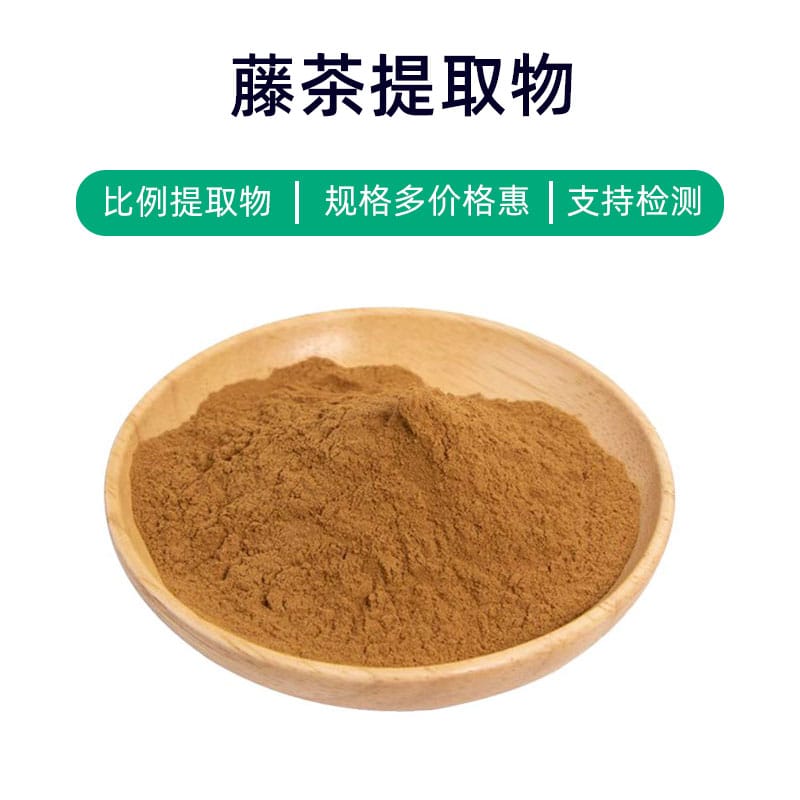
Vine tea extract is a natural plant extract derived from the leaves and stems of the vine tea plant. Its main components include vine tea polyphenols, flavonoids (such as quercetin and dihydroquercetin), and vine tea acid. This extract is widely used across the pharmaceutical, food, and cosmetic industries.
In pharmaceuticals, vine tea extract is used to prepare functional medicines for antioxidant, antihypertensive, and lipid-lowering purposes. The polyphenols and flavonoids it contains have antioxidative properties that help eliminate free radicals, protecting cells from oxidative damage and supporting cardiovascular health.
In the food industry, vine tea extract is commonly added to functional foods and health products to enhance their antioxidant capacity, potentially preventing and improving various chronic diseases, such as cardiovascular diseases and cancer, that can be caused by oxidative stress.
In cosmetics, vine tea extract is frequently used as an ingredient in skincare and anti-aging products, with its antioxidative properties helping to shield the skin from free radical damage, delaying the aging process, and maintaining youthful and healthy skin. Thus, vine tea extract holds significant potential for application in the pharmaceutical, food, and cosmetic sectors.
Production Process of Vine Tea Extract
The production process of vine tea extract typically includes the following steps:
- Raw Material Collection and Handling: Fresh vine tea leaves and stems are selected as extraction materials. They should be promptly washed, dried, or otherwise treated to remove impurities and maintain freshness.
- Extraction Process: The processed vine tea leaves and stems are crushed, followed by extraction using suitable solvents (like water or ethanol). Hot water or ethanol extraction methods are typically employed to draw out the effective components from the leaves.
- Concentration and Filtration: The extract is concentrated to remove excess solvent, resulting in a concentrated liquid. Then, filtration is used to eliminate residue and impurities, yielding pure extract.
- Drying and Grinding: The obtained extract is dried to remove moisture and ensure stability. It is then ground into a powder to meet product specifications.
- Packaging and Storage: The extract is packaged, usually using sealed packaging to protect against moisture and oxygen. It should then be stored in a cool, dry environment, avoiding direct sunlight and high temperatures to prolong shelf life and stability.
- Quality Control: Throughout the production process, quality control measures are implemented, including testing and analysis of raw materials, intermediate products, and final output, to ensure compliance with relevant quality standards and safety requirements.
By following these steps, high-quality vine tea extract can be produced while preserving the beneficial components found in the leaves and ensuring good stability and authenticity.
Efficacy and Side Effects of Vine Tea Extract
Vine tea extract is a natural plant extract that offers various benefits, including:
- Antioxidant Properties: Rich in natural antioxidants such as tea polyphenols and flavonoids, vine tea extract helps eliminate free radicals, slowing down cellular aging and protecting against oxidative damage.
- Anti-inflammatory Effects: The active ingredients in vine tea extract possess anti-inflammatory properties, reducing the production of inflammation factors and alleviating inflammatory responses, making it beneficial for inflammatory diseases.
- Antibacterial and Antimicrobial Activity: Certain components in vine tea extract can inhibit the growth of bacteria, fungi, and viruses, aiding in the prevention and treatment of infectious diseases.
- Regulating Blood Sugar and Lipids: Studies show that some ingredients in vine tea extract can help regulate blood sugar and lipid levels, which may assist in preventing and managing metabolic diseases like diabetes and hypertension.
- Antitumor Effects: Some active components in vine tea extract are believed to have antitumor properties, inhibiting the growth and spread of tumor cells, which can help in the prevention and adjunct treatment of some cancers.
- Cosmetic Benefits: The antioxidant properties in vine tea extract help protect the skin from free radical damage, delay the aging process, as well as offer effects like detoxification and gastrointestinal cleansing, promoting better skin health.
- Cardiovascular Protection: The active ingredients can lower blood pressure, reduce lipids, and have anticoagulant effects, contributing to cardiovascular health and the prevention of cardiovascular diseases.
- Antiallergic Properties: Certain components in vine tea extract can alleviate allergic reactions and symptoms, offering potential relief for allergic conditions.
Vine tea extract is generally safe, but individual responses and dosage variations may lead to side effects such as gastrointestinal discomfort or allergic reactions. It's advisable to consult a healthcare provider or professional before use and adhere strictly to the recommended dosages on the product label.
Applications and Dosages of Vine Tea Extract
Vine tea extract finds widespread application in the pharmaceutical, food, and cosmetic industries. Here's an overview of its applications and dosage guidelines across various fields:
- Medical Applications:
- Vine tea extract is primarily utilized for preparing traditional herbal formulations or health supplements, commonly for treating conditions like colds, coughs, and rheumatic pain.
- Dosage: Typically, it can be taken orally under a healthcare provider's recommendation, generally at 5-10 grams per dose, adjusted based on specific conditions and individual differences.
- Food Applications:
- The extract can serve as a natural food additive, found in health foods, functional beverages, and tea products, imparting antioxidant and antibacterial properties.
- Dosage: Depending on the product formulation, vine tea extract is usually added in a range of 0.1% to 1%, with precise dosages determined by product purpose and formulation.
- Cosmetic Applications:
- In cosmetics, vine tea extract is commonly incorporated as an antioxidant, moisturizer, and anti-inflammatory ingredient in skincare products, shampoos, and masks.
- Dosage: As part of product formulations, vine tea extract is generally added in the range of 0.1% to 5%, with the exact amount determined by the product's nature and intended effects.
In summary, the application methods and dosages of vine tea extract may vary across different fields. It is important to carefully read product labels and follow manufacturer recommendations prior to use. For medical purposes, it's advisable to use under physician guidance; for food and cosmetic uses, follow product guidelines while considering individual skin types and potential allergies.
Overview of the Source Plant, Distribution, and Growth Environment of Vine Tea Extract
Vine tea extract is sourced from the plant known as vine tea (scientific name: Ampelopsis grossedentata). Below is an overview of this plant's description, distribution, and growth environment:
- Plant Description:
- Vine tea, also known as five-clawed vine or purple-backed vine, belongs to the Ampelopsis genus of the grape family and is one of China's indigenous medicinal plants.
- It is a climbing vine with long, flexible stems, palmate compound leaves, small yellow-green flowers, and small round purplish-red berries.
- Distribution:
- Native to China, vine tea is widely distributed, primarily in regions south of the Yangtze River, including provinces like Jiangsu, Zhejiang, Anhui, Jiangxi, Hubei, Hunan, Fujian, and Guangdong.
- In China, vine tea is commonly cultivated and can often be found in mountainous areas, forest edges, and near streams.
- Growth Environment:
- Vine tea thrives in warm, humid climates, with optimal growth temperatures between 15-25 degrees Celsius and a suitable rainfall range of 1000-1500 millimeters.
- It is not picky about soil but prefers well-drained, loose, and fertile soils, and it typically grows in hilly areas, riverbanks, or margins of forests, tolerating shade but needing some sunlight.
- Growth Characteristics:
- Vine tea grows quickly and exhibits strong climbing tendencies, often wrapping around trees, shrubs, or other structures, forming dense vines.
- Its fruits mature in the fall, presenting a vibrant purplish-red color, thus also having ornamental value.
Vine tea plants flourish in the warm, humid environments of southern China, and their stems and leaves are of medicinal value, often harvested for extraction to prepare traditional remedies and health products.
Processing and Storage of Vine Tea Extract
The processing of vine tea extract primarily involves the following steps: First, fresh vine tea leaves and stems are harvested, followed by washing and impurity removal. Next, grinding and extraction processes are performed, culminating in concentration and drying methods to yield the extract. Throughout processing, temperature and humidity must be controlled to maintain product quality. For storage, vine tea extract should be kept in a cool, dry, and ventilated area, protected from direct sunlight and high temperatures, to prevent spoilage and preserve the stability of its active components. Proper storage extends the shelf life of the product while ensuring its efficacy.

Monica Sun is a seasoned expert in the plant extraction industry with over a decade of experience in research and production. She specializes in the extraction and purification of plant active ingredients, focusing on driving innovation in natural product applications. Monica has participated in the development of multiple functional plant extracts, delivering high-value natural raw material solutions for the health food, pharmaceutical, and dietary supplement sectors.