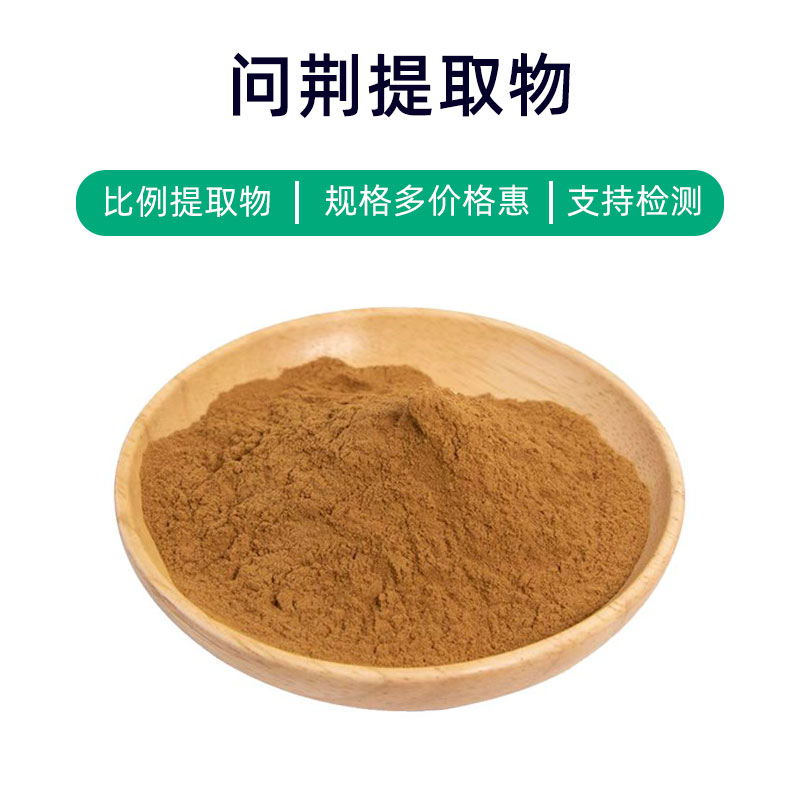



Introduction to Nigella Sativa Extract
Nigella sativa extract is a natural plant extract obtained from the seeds of Nigella sativa. Its main components include flavonoids, volatile oils, proteins, and minerals. This extract has various benefits in the medical field and is widely used in dietary supplements and drug formulations. It is believed to have antioxidant, anti-inflammatory, antibacterial, and anti-tumor effects, aiding in immune enhancement, respiratory health improvement, digestive promotion, and cardiovascular protection.
In the medical field, Nigella sativa extract is typically used to create dietary supplements and drug formulations aimed at boosting immunity, reducing inflammation, preventing infections, and treating various diseases. In the food industry, it serves as an ingredient in functional foods and dietary supplements, added to various foods to enhance nutritional value and health benefits. In cosmetics, it is often used in skincare and hair care products due to its antioxidant and anti-inflammatory properties, helping to protect skin and hair from environmental harm, moisturize, and improve skin condition.
Overall, Nigella sativa extract is a natural plant extract with a variety of benefits and wide-ranging applications in medicine, food, and cosmetics.
Production Process of Nigella Sativa Extract
The production process of Nigella sativa extract typically includes the following steps:
- Raw Material Preparation: Select high-quality Nigella sativa seeds as the raw material, conducting preliminary cleaning and screening to remove impurities and foreign materials.
- Crushing and Grinding: Crush or grind the cleaned Nigella sativa seeds to increase extraction efficiency and surface area.
- Extraction Process: Use appropriate extraction methods such as water extraction, supercritical fluid extraction, or organic solvent extraction to extract the active components from Nigella sativa.
- Solvent Removal: For methods using organic solvent extraction, a solvent removal step is needed, typically involving concentration, distillation, or extraction techniques to remove the solvent from the extract, yielding a concentrated extract.
- Filtration and Refinement: Filter and refine the extract to remove residual solid particles and impurities, obtaining a pure extract.
- Concentration and Drying: Concentrate the refined extract, usually through vacuum concentration or spray drying techniques, to reduce moisture content and increase the stability of the extract.
- Packaging and Storage: Package the concentrated and dried Nigella sativa extract using sealed materials to avoid light, oxygen, and moisture impacts, ensuring the quality and stability of the extract, and store it in a dry, cool environment.
- Quality Control: Conduct quality control throughout the production process, including inspections and analyses of raw materials, intermediate products, and final products, to ensure compliance with relevant standards and regulations.
The above outlines a typical production process for Nigella sativa extract, where each step requires strict control to ensure the quality and stability of the extract.
Effects and Side Effects of Nigella Sativa Extract
Nigella sativa extract is a natural plant extract with various benefits and effects, as outlined below:
- Antioxidant Effect: It contains abundant polyphenolic compounds and antioxidants, effectively scavenging free radicals, delaying cellular aging, and protecting overall health.
- Anti-inflammatory Effect: Active components within the extract exhibit significant anti-inflammatory properties, inhibiting the onset and progression of inflammation and alleviating pain.
- Immune Modulation: This extract can help modulate immune system functions, boost immunity, enhance resistance to infections and diseases.
- Antibacterial and Antiviral Effects: Nigella sativa extract has certain antibacterial and antiviral activities, inhibiting the growth and reproduction of bacteria, viruses, and fungi, providing anti-inflammatory benefits.
- Blood Sugar Regulation: Active components may help regulate blood sugar levels, lower blood sugar, and improve insulin sensitivity, aiding in diabetes management.
- Liver Protection: The extract provides liver protection, reducing liver damage, promoting liver cell regeneration, improving liver function, and preventing and treating liver diseases.
- Respiratory Health Improvement: It is beneficial for relieving phlegm, coughing, and asthma, used as an adjunctive treatment for respiratory infections and bronchitis.
- Digestive Support: Nigella sativa extract can stimulate digestive juice secretion, enhancing digestion and relieving digestive issues such as bloating and indigestion.
Generally, Nigella sativa extract, when used at appropriate dosages, does not cause serious side effects. However, individual variations and excessive use may lead to mild adverse reactions such as digestive discomfort or allergies. Therefore, it is essential to adhere to medical advice or product instructions, take it in moderation, and avoid excessive use. Special populations like pregnant women, nursing mothers, and children should seek medical guidance before use.
Applications and Dosage of Nigella Sativa Extract
Nigella sativa extract has extensive applications in medicine, food, and cosmetics, with specific applications and dosages outlined as follows:
- Medical Applications:
- Anti-inflammatory and Analgesic: Nigella sativa extract can be used to make oral liquids, capsules, or topical medications for treating inflammatory diseases like rheumatoid arthritis. Common dosage is 5-10 grams orally, 2-3 times daily.
- Respiratory Disease Support: It functions as an adjunctive treatment for bronchitis and asthma. Typical oral dosage is 10-15 grams, three times a day.
- Blood Sugar Regulation: Used for diabetes support, the usual dosage is 5-10 grams taken 2-3 times daily.
- Food Applications:
- Flavoring Agent: Nigella sativa extract can be added to seasonings, providing foods with a unique aroma and taste. Use according to food type and personal preference.
- Nutritional Supplements: It serves as an ingredient in nutritional products with antioxidant and immune-boosting functions, generally recommended at a daily dose of 5-10 grams.
- Cosmetic Applications:
- Skincare Products: Rich in active ingredients, it can be incorporated into skincare products for its antioxidant, anti-aging, and moisturizing properties. Common usage is daily application in suitable amounts.
- Hair Care Products: Added to shampoos and conditioners, it helps alleviate dandruff and dry hair issues. Usage varies according to individual needs.
It is important to note that the application and dosage of Nigella sativa extract may vary across different fields. Specific instructions should follow product guidelines or medical advice. Additionally, personal differences and allergy considerations should be taken into account to avoid excessive use and adverse reactions.
Introduction, Distribution, and Growth Environment of the Source Plant for Nigella Sativa Extract
Nigella sativa, scientifically known as Xanthium sibiricum Patr., belongs to the Asteraceae family. Below is information on the source, distribution, and growth environment of Nigella sativa:
- Plant Introduction:
Nigella sativa is a perennial herbaceous plant, reaching heights of up to 1.5 meters, with an upright stem and abundant foliage. It features palmate compound leaves with serrated margins, rough leaf surfaces, and long petioles. The small, dense flowers have a racemose arrangement, typically yellow or green in color. Its fruit is a nut, oval-shaped with several longitudinal ribs and containing seeds. - Distribution:
Originally from Northeast China, Nigella sativa is primarily found in provinces such as Jilin and Heilongjiang, and also distributed in regions of Russia, Mongolia, and North Korea. In China, it is common in meadows, fields, along roadsides, and riverbanks. - Growth Environment:
This plant prefers warm and humid conditions and requires ample sunlight, showing strong adaptability. It can grow in low-altitude plains as well as higher mountainous areas. Soil suitability includes loose, fertile soil and sandy loam, but it does not tolerate waterlogging or saline-alkali conditions. - Growth Characteristics:
Nigella sativa demonstrates some drought and cold tolerance, with a strong ability to adapt to dry and chilly environments. Its growing season is relatively lengthy, typically starting in spring, progressing through summer, with fruit maturation occurring in autumn. Upon maturing, the fruit often falls off, requiring timely harvesting. - Reproduction:
Propagation mainly occurs through seeds, with its fruits containing multiple seeds that can scatter naturally upon maturity or be harvested for sowing. The seeds maintain a notable germination rate and survival capability, growing rapidly under suitable environmental conditions.
In summary, Nigella sativa is a highly adaptable herbaceous plant mainly distributed in Northeast China and surrounding countries. It thrives in warm and humid environments and possesses certain drought and cold resistance, making it an important medicinal and economically versatile plant.
Processing and Storage of Nigella Sativa Extract
The processing of Nigella sativa extract involves several steps: First, the seeds are cleaned and impurities are removed, followed by grinding or crushing to enhance extraction efficiency. Next, suitable solvents, such as ethanol or ether, are used for extraction. After extraction, the solution undergoes filtration, concentration, and drying to yield the Nigella sativa extract. During storage, the extract should be placed in a dry, cool, and ventilated location, protected from direct sunlight and humidity, and sealed to prevent oxidation and contamination, thus extending its shelf life.

Monica Sun is a seasoned expert in the plant extraction industry with over a decade of experience in research and production. She specializes in the extraction and purification of plant active ingredients, focusing on driving innovation in natural product applications. Monica has participated in the development of multiple functional plant extracts, delivering high-value natural raw material solutions for the health food, pharmaceutical, and dietary supplement sectors.