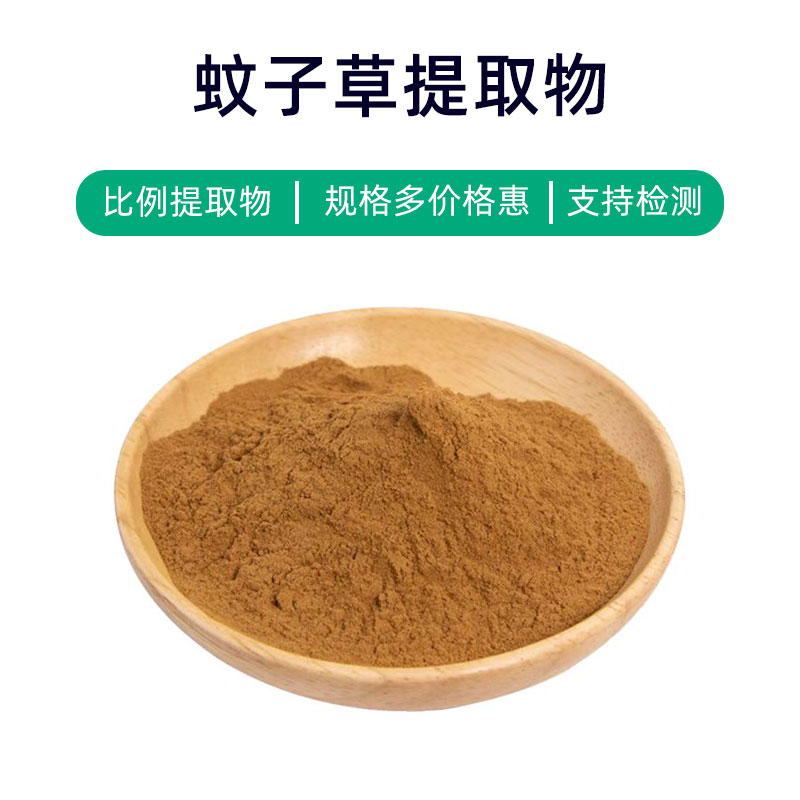
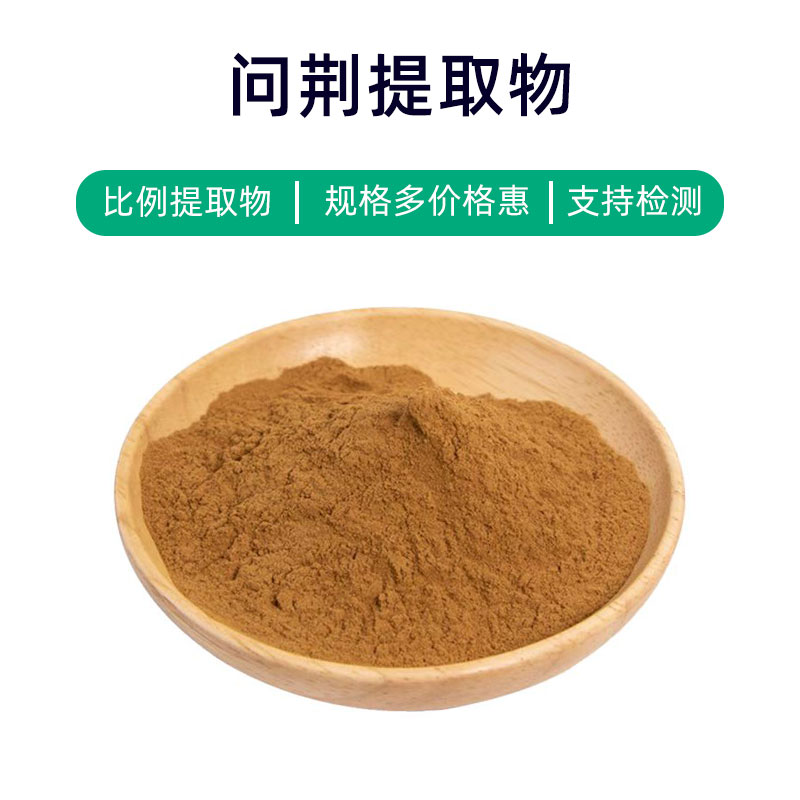



Introduction to Verbena Extract
Verbena extract is a plant extract obtained from the aerial parts of the Verbena plant. Its main components include volatile oils, flavonoids, and sterols. Verbena extract is widely used in the fields of traditional Chinese medicine, health supplements, and food additives. It is considered to have multiple medicinal properties, including clearing heat and detoxifying, reducing swelling and pain, and exhibiting antibacterial and antiviral effects. In traditional Chinese medicine, verbena extract is often used to treat rheumatic pain, indigestion, and symptoms of colds and fevers. In health supplements, it serves as a tonic to enhance immunity and improve sleep quality. In the food additive sector, verbena extract is added to certain foods to boost nutritional value and flavor. Overall, verbena extract is a plant extract with multiple benefits and broad applications, gaining importance and use in the medicine, health supplement, and food industries.
Production Process of Verbena Extract
The production process of verbena extract typically includes the following steps:
- Collection: First, fresh aerial parts of the Verbena plant, including leaves and stems, need to be collected. The collected plants should be healthy and free from pests and diseases.
- Washing: The collected verbena plants must be thoroughly washed to remove surface dirt, impurities, and microorganisms.
- Cutting: After washing, the verbena plants need to be chopped into smaller pieces to increase extraction efficiency.
- Extraction: The chopped verbena plant material is placed into extraction equipment, using suitable solvents for extraction. Common solvents include water and ethanol. Extraction conditions such as temperature and time must be controlled within suitable ranges.
- Concentration: The solvent in the extract is evaporated through evaporation or other methods to concentrate the extract.
- Separation: The concentrated extract may contain multiple components and needs to be separated and purified to obtain the target components.
- Drying: The separated extract is dried to remove any residual moisture, resulting in a dry extract.
- Grinding: The dried extract is ground into a suitable powdered product for application.
- Packaging: Finally, the ground extract is packaged to ensure its quality and shelf life.
These steps form the production process flow for verbena extract, with strict condition controls needed at each stage to ensure product quality and safety.
Effects and Side Effects of Verbena Extract
Verbena extract has various benefits and effects, including the following:
- Anti-inflammatory Effects: Verbena extract contains multiple active components that exhibit significant anti-inflammatory properties, helping to suppress inflammation and relieve pain and discomfort caused by inflammation.
- Antioxidant Effects: The antioxidants in verbena extract can eliminate free radicals, reduce oxidative stress damage to the body, slow down aging, and protect cells from oxidative damage.
- Antibacterial Effects: Verbena extract shows inhibitory effects against various bacteria and fungi, making it useful for preventing and treating diseases caused by bacterial or fungal infections.
- Anti-allergic Effects: The active ingredients in verbena extract can inhibit allergic reactions and reduce symptoms, providing some relief for allergic conditions such as allergic rhinitis and dermatitis.
- Wound Healing Promotion: Verbena extract can promote tissue repair and healing, making it beneficial for the treatment of skin injuries, burns, and ulcers.
- Immune Function Regulation: Verbena extract can help regulate immune function and enhance resistance, playing a supportive role in boosting immunity and preventing infections.
- Anti-tumor Effects: Some studies suggest that certain components in verbena extract exhibit anti-tumor activity, potentially inhibiting tumor cell proliferation and metastasis.
Although verbena extract offers various benefits, attention should be paid to possible side effects and contraindications during use. Long-term or excessive use may cause digestive discomfort or allergic reactions; therefore, it is advised to follow medical guidance and use cautiously.
Application Scenarios and Dosage of Verbena Extract
Verbena extract has broad applications in medicine, food, and cosmetics; the following highlights its application scenarios and recommended dosages:
- Medical Applications:
- Topical Medications: Verbena extract is often used in topical creams, patches, and similar formulations for treating skin inflammation, eczema, burns, and hemorrhoids. Apply the cream or patch to the affected area 2-3 times daily.
- Oral Medications: Verbena extract can also be used in oral medications for conditions such as indigestion, gastritis, and oral ulcers. The typical dosage is 3-5 grams per dose, taken 2-3 times daily.
- Food Applications:
- Additives: The active components of verbena extract possess antioxidant and preservative properties, making it suitable for use as a food additive to maintain freshness and extend shelf life. The typical addition rate is 0.1%-0.5% of the total food weight.
- Beverages: Verbena extract can be used to create teas and beverages, such as verbena tea or oral solutions, which have heat-clearing and diuretic effects. Adjust according to personal taste.
- Cosmetic Applications:
- Skincare Products: Verbena extract is commonly found in skincare products such as creams, masks, and lotions, helping to tighten pores, provide anti-inflammatory benefits, and soothe the skin. Use by applying an appropriate amount evenly over the face after cleansing in the morning and evening, gently massaging until absorbed.
- Hair Care Products: Verbena extract can also be included in shampoos and conditioners to help alleviate scalp itching and reduce dandruff. Use by massaging an appropriate amount into the scalp during shampooing until lathered, then rinse thoroughly.
When using verbena extract, choose the suitable dosage form and quantity according to individual needs, adhering to product instructions or medical advice to avoid excessive or long-term use that may lead to adverse reactions. Special populations, such as pregnant or nursing women and children, should use under a physician's guidance.
Introduction to the Source Plant of Verbena Extract, Distribution, and Growth Environment
Verbena (Scientific name: Plantago asiatica) is a common perennial herb belonging to the Plantaginaceae family, primarily distributed across Asia. Below is an introduction to its source plant, distribution, and growth environment:
Source Plant:
Verbena is a hardy perennial herb with a developed root system and erect stems, growing to approximately 20-60 cm in height. Its leaves are elongated or ovate with long petioles, having a smooth surface and prominent veins. The flowers are small, yellow-green, clustered in spike-like inflorescences, blooming in the summer. The fruits are capsules with oval, dark brown seeds.
Distribution:
Verbena is mainly distributed throughout Asia, including China, Japan, Korea, and Vietnam. In China, it is widely found in North, East, Central, and South China, commonly seen in fields, along roadsides, in grasslands, mountainous areas, and forest edges.
Growth Environment:
Verbena is highly adaptable and can thrive in various environments. It is often found in sunny locations with loose, well-drained soil. It prefers to grow in low hills below 1,000 meters above sea level but can also flourish in alpine meadows at around 2,000 meters. Common habitats include fields, grasslands, forest edges, roadside areas, wastelands, and riverbank wetlands.
Verbena is not particularly demanding in terms of soil, displaying strong adaptability, but it thrives best in loose, well-drained, fertile loam. It requires ample sunlight for growth and needs sufficient exposure during its growth period.
In summary, verbena is a common perennial herb, widely distributed with strong adaptability and various habitats, making it a plant resource with significant medicinal and economic value.
Processing and Storage of Verbena Extract
The processing and storage of verbena extract are crucial. Below are relevant details:
Processing:
- Harvesting: Select robust verbena plants with no pests or diseases, typically during flowering or fruit maturation.
- Washing: Clean the harvested verbena to remove soil and impurities, ensuring the purity of the extract.
- Drying: The cleaned verbena should be dried, using either air drying in a ventilated cool place or artificial drying until fully dried.
- Grinding: The dried verbena can be ground, usually using a grinder to obtain a uniformly powdered herbal material.
Storage:
- Sealed Storage: Place the processed verbena extract into dry, ventilated containers, sealing them as much as possible to prevent moisture and impurities from entering.
- Avoid Light and Moisture: Storage should avoid direct sunlight and high temperatures, choosing a cool, dry environment to prolong shelf life.
- Regular Inspection: Check the storage condition of the verbena extract periodically to ensure container seals are intact and prevent moisture and mold.
- Fire and Explosion Safety: The powdered extract is flammable; care should be taken to keep it away from fire sources to prevent fire or explosion incidents.
In conclusion, the processing and storage of verbena extract must strictly follow standard operating procedures to ensure product quality and safety.

Monica Sun is a seasoned expert in the plant extraction industry with over a decade of experience in research and production. She specializes in the extraction and purification of plant active ingredients, focusing on driving innovation in natural product applications. Monica has participated in the development of multiple functional plant extracts, delivering high-value natural raw material solutions for the health food, pharmaceutical, and dietary supplement sectors.