


Gastrodia Extract Product Introduction
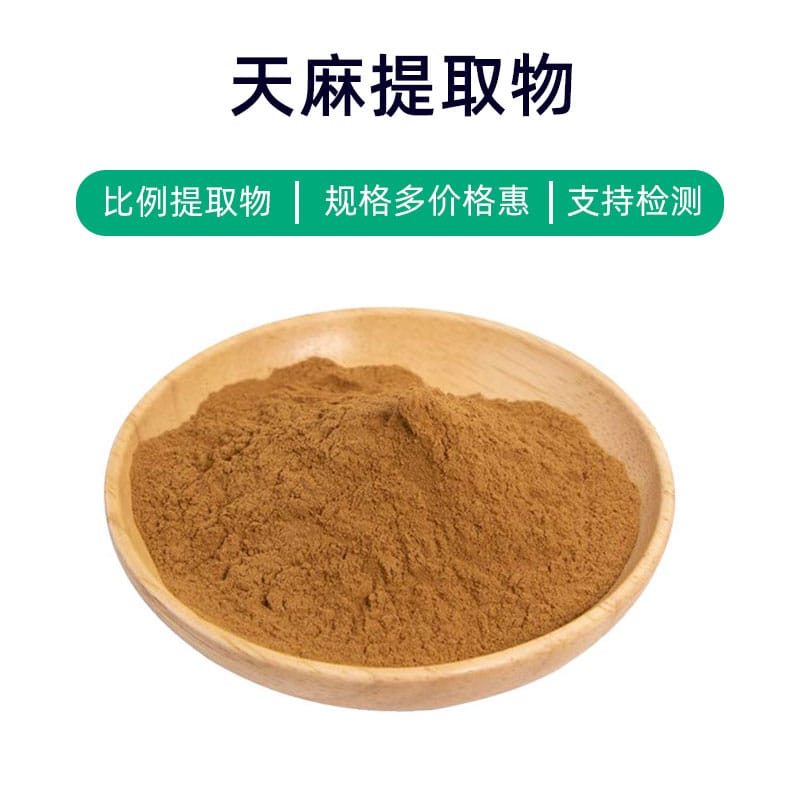
Gastrodia extract is a natural medicinal ingredient extracted from the rhizome of the Gastrodia plant. Its main components include active ingredients such as gastrodin and gastrodinol. This extract is widely used in the fields of medicine, health supplements, and cosmetics. Medicinally, it is believed to have analgesic, sedative, neuroprotective, and memory-enhancing effects, commonly used to treat symptoms like headaches, insomnia, and neurasthenia. In the realm of health supplements, Gastrodia extract is often added to nutritional products as a natural brain health ingredient, helping to improve cognitive function and memory. Furthermore, it is utilized in cosmetics, claimed to possess antioxidant, skin-soothing, and condition-improving properties, frequently found in skincare products and masks. Overall, as a natural plant extract, Gastrodia offers various medicinal and health benefits and is widely applied in pharmaceuticals, health supplements, and cosmetics.
Gastrodia Extract Production Process
The production process for Gastrodia extract includes the following steps:
- Raw Material Collection and Processing: First, the rhizomes of the Gastrodia plant are collected. After collection, the rhizomes undergo pre-processing including washing, debris removal, and cutting to ensure quality.
- Extraction Process: The pre-processed rhizomes are then extracted using common methods such as water extraction or ethanol extraction. Typically, the water extraction method is employed, soaking and heating the rhizomes to dissolve the active components into the water.
- Filtration and Concentration: The extract is filtered to remove impurities, followed by concentration where the moisture is evaporated to obtain a concentrated extract.
- Separation and Purification: The concentrated extract undergoes separation and purification using equipment like separatory funnels and centrifuges, employing methods like coagulation and crystallization to obtain and purify the Gastrodia extract.
- Drying and Milling: The purified extract is then dried using methods such as spray drying or vacuum drying. After drying, the extract is milled to produce a powder that meets the required standards.
- Quality Testing: The finished Gastrodia extract undergoes quality testing, including assays for active ingredient content, heavy metals, and microorganisms to ensure compliance with relevant standards and regulations.
- Packaging and Storage: Finally, the qualified Gastrodia extract is packaged and stored. Packaging typically incorporates moisture-proof, sealed, and light-blocking measures to maintain product quality and shelf life.
Gastrodia Extract Efficacy and Side Effects
Gastrodia extract is a commonly used traditional Chinese medicinal material with various effects, mainly including:
- Sedative Effect: Contains several active components that help alleviate anxiety, tension, and insomnia, thus providing calming effects.
- Muscle Relaxation: Promotes blood circulation and relieves muscle tension, effective in alleviating joint pain, muscle soreness, and rheumatoid arthritis.
- Memory Improvement: Active components protect nerve cells and increase cerebral blood flow, enhancing memory and improving learning and work efficiency.
- Anti-inflammatory and Swelling Reduction: Offers anti-inflammatory properties, helpful in relieving headaches, migraines, and neuralgia while reducing inflammation-related swelling.
- Liver Protection: Provides some protection for the liver, reducing liver damage and improving liver function, aiding conditions like hepatitis and fatty liver disease.
- Antioxidant: Rich in antioxidants, it helps eliminate free radicals, slowing cellular aging and promoting overall health.
- Blood Pressure Regulation: Active components may have a hypotensive effect, assisting individuals with high blood pressure.
- Sleep Quality Improvement: Regulates the nervous system to promote sleep quality, beneficial for those experiencing insomnia or frequent dreaming.
Though Gastrodia extract has numerous benefits, caution is advised during use to avoid excess consumption. Some individuals may experience side effects such as dizziness, nausea, or skin allergies, so consulting a healthcare professional before use is recommended.
Gastrodia Extract Application Scenarios and Dosage
Gastrodia extract finds extensive applications in medicine, food, and cosmetics, with the following details for each area:
- Medical Applications:
- Uses: Employed primarily for treating neurological issues such as anxiety, insomnia, headaches, and migraines.
- Dosage: Typically available in oral forms like capsules, granules, or liquids. The usual dosage for adults is 3-6 grams per serving, taken 2-3 times daily. Specific dosages should be adjusted based on healthcare provider recommendations.
- Food Applications:
- Uses: Acts as a health supplement additive, known for calming effects and cognitive enhancement.
- Dosage: Provided in forms like capsules or tablets, recommended to adhere to product directions or healthcare advice. Typically, daily intake should not exceed 6 grams.
- Cosmetic Applications:
- Uses: Found in skincare products, noted for soothing, anti-inflammatory, and antioxidant properties, suitable for sensitive skin and anti-aging formulations.
- Dosage: Usually part of cosmetic formulas, usage should follow product guidelines. Generally, recommended amounts are minimal, per product instructions.
In summary, Gastrodia extract is primarily available in medicinal forms for neurological issues; in food, it is an additive for health supplements; and in cosmetics, it is used in skincare products, emphasized to follow dosing guidelines and avoid excessive use.
Gastrodia Plant Source, Distribution, and Growth Environment
Gastrodia (Scientific Name: Gastrodia elata), also known as "Tianxianzi," "Xianmao," or "Heavenly Ginseng," is a terrestrial orchid. Below is detailed information about its source, distribution, and growth environment:
- Plant Overview:
- Gastrodia is a medicinal plant with valuable underground tubers, widely utilized in traditional Chinese medicine.
- The plant typically reaches a height of 20-60 cm, lacking true leaves, presenting only flower stalks and flowers that are hollow-stemmed with loose clusters of small, orange-red flowers.
- Distribution:
- Gastrodia is primarily found in northern, central, southern, southwest, and northeastern China, as well as in Korea and Japan.
- In China, it thrives in mountainous regions, forest understories, meadows, forest edges, grassy slopes, and ravines, especially in temperate and subtropical regions.
- Growth Environment:
- Topography: Grows best in mountainous or hilly regions, typically at altitudes ranging from 200 to 1500 meters.
- Climate: Prefers a cool, moist climate with low light requirements; is adaptable but sensitive to dryness, high temperatures, and intense light.
- Soil Requirements: Not overly stringent on soil types, but acidic to neutral soils are ideal, with well-draining soil being more favorable.
- Growth Habits: As a terrestrial plant, its underground tubers grow in the soil while the flowering stalks emerge above ground, exhibiting a unique above-below ground growth characteristic.
Overall, Gastrodia is a terrestrial orchid, distributed across various regions in China and countries like Korea and Japan. It prefers a cool, moist climate with strong adaptability, commonly found in mountainous or hilly terrains at elevations of 200 to 1500 meters, thriving in well-drained, preferably acidic or neutral soils.
Processing and Storage of Gastrodia Extract
The processing of Gastrodia extract primarily involves the following steps: First, wash and slice or chop the underground tubers of Gastrodia; then, utilize suitable extraction methods such as water extraction or ethanol extraction to obtain the active ingredients; next, undergo processes such as filtration, concentration, and drying to produce the extract in a powder or liquid form; finally, package and seal to ensure quality and stability. During storage, the extract should be kept in a cool, dry, and well-ventilated area, avoiding direct sunlight and high temperatures while preventing moisture and contamination to extend shelf life and effectiveness.

Monica Sun is a seasoned expert in the plant extraction industry with over a decade of experience in research and production. She specializes in the extraction and purification of plant active ingredients, focusing on driving innovation in natural product applications. Monica has participated in the development of multiple functional plant extracts, delivering high-value natural raw material solutions for the health food, pharmaceutical, and dietary supplement sectors.