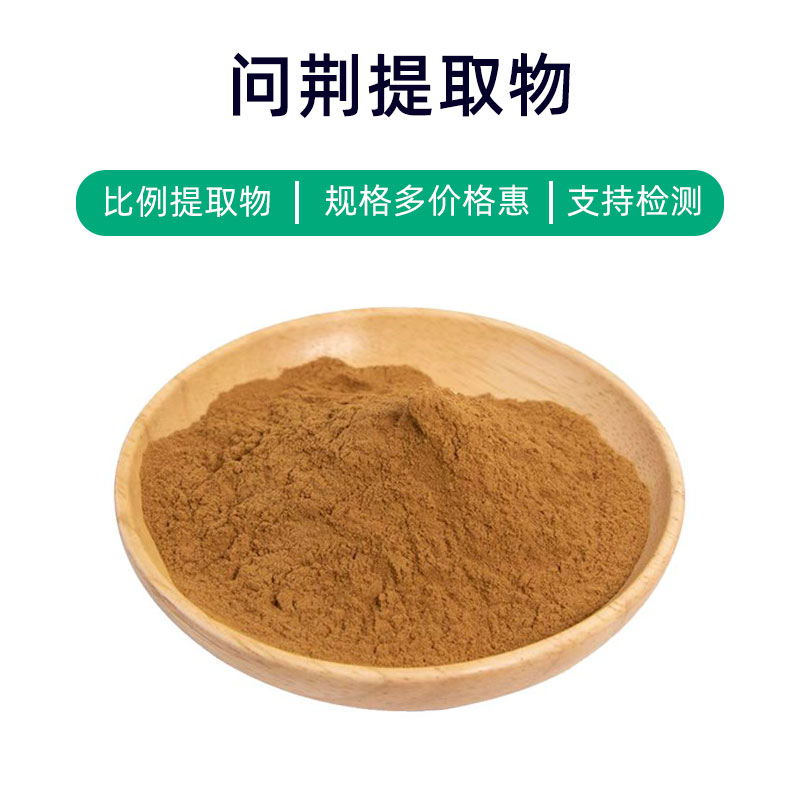



Comfrey Extract Product Introduction
Comfrey extract is a natural plant extract derived from the Comfrey plant (Symphytum officinale), containing primary ingredients like alkaloids, mucilage, and flavonoids. This extract is widely used in medicine, health products, and cosmetics.
Its main benefits include:
- Skin Soothing: Comfrey extract contains various bioactive components that can alleviate skin discomfort and relieve dryness and itching.
- Wound Healing: Comfrey extract promotes wound healing, assisting in skin tissue repair and regeneration while reducing inflammation.
- Anti-inflammatory and Swelling Reduction: The flavonoids and other components present in the extract have anti-inflammatory effects, helping to reduce skin inflammation and alleviate symptoms of swelling and redness.
- Skin Hydration: The mucilage in comfrey extract provides moisturizing properties, effectively hydrating the skin and strengthening its protective barrier, leaving the skin smooth and moist.
In medicine, comfrey extract is often used in topical medications for conditions like skin inflammation, burns, and abrasions; in dietary supplements, it's commonly found in skincare products and moisturizers to address dryness; and in cosmetics, it appears in creams, masks, and other skincare products, offering anti-inflammatory, antioxidant, and soothing benefits. Usage typically involves applying to clean skin, gently massaging until absorbed.
Comfrey Extract Manufacturing Process
The manufacturing process of comfrey extract generally involves several key steps:
- Raw Material Collection and Selection: Fresh comfrey plants are gathered, impurities and inferior parts are removed to ensure the quality and purity of the raw materials.
- Crushing and Grinding: The collected comfrey plants are cleaned, processed, crushed, and ground to increase extraction efficiency and surface area for the subsequent extraction process.
- Extraction Process: The crushed comfrey is subjected to extraction using methods such as infusion, ultrasound extraction, or fluid extraction. Organic solvents (like ethanol, acetone, etc.) or water are generally used as solvents in the extraction process.
- Filtration and Concentration: The extract solution is filtered to remove solid particles and impurities, then concentrated to remove the solvent, yielding concentrated comfrey extract.
- Refinement and Purification: The concentrated extract is refined and purified to eliminate residual solvents and impurities, enhancing the purity and quality of the extract.
- Drying and Packaging: Finally, the refined comfrey extract is dried to reduce moisture content and packaged to maintain stability and shelf life.
The above outlines the typical processing flow for comfrey extract; specific parameters and procedures may vary based on manufacturers' requirements and product quality standards.
Comfrey Extract Benefits and Side Effects
Comfrey extract is a commonly used herbal extract known for its numerous benefits, which include:
- Anti-inflammatory Effects: Comfrey extract contains rich active ingredients with significant anti-inflammatory properties, aiding in the suppression of inflammatory mediators, which can help treat rheumatoid arthritis, osteoarthritis, and related conditions.
- Pain Relief: It can alleviate pain, acting as an analgesic helpful for discomfort from arthritis, muscle pain, or herniated discs.
- Antibacterial and Anti-inflammatory: The extract possesses strong antibacterial, antiviral, and antifungal effects thanks to its active components, making it effective for treating skin infections, abscesses, and various dermatological issues.
- Diuretic Effects: Comfrey extract can increase urine output, aiding in the excretion of excess fluids and metabolic waste, which may assist in treating edema and urinary tract infections.
- Antioxidant Activity: It contains abundant antioxidants that neutralize free radicals in the body, reduce oxidative stress, and may help delay aging while protecting cardiovascular and neurological health.
- Immune Function Improvement: The active ingredients in comfrey extract can modulate immune function, boosting resistance to illnesses like colds and flu.
Generally, comfrey extract is safe, but some individuals may experience side effects such as allergic reactions or digestive issues, so it's advisable to conduct an allergy test before use and follow a healthcare professional's guidance. Additionally, pregnant or breastfeeding women and children should use it under medical supervision to avoid health risks.
Comfrey Extract Application Scenarios and Dosage
Comfrey extract has extensive applications in pharmaceuticals, food, and cosmetics, with the main scenarios and dosages outlined below:
- Pharmaceuticals:
- Arthritis Treatment: It can be used to formulate arthritis medications like topical ointments or tinctures. Application: Apply patches directly to the affected area or take oral solutions as prescribed.
- Anti-inflammatory Pain Relief: It can be made into oral tablets or granules for conditions like rheumatoid arthritis. Dosage: Generally, take 2-3 tablets per dose, 2-3 times daily.
- Skin Care: It can be made into ointments or washes for treating wounds, eczema, and other skin conditions. Application: Apply externally to the affected area, 2-3 times daily.
- Food:
- Nutritional Supplements: Comfrey extract can be used as a food additive to boost immunity and support liver function. Dosage: Follow product instructions or medical advice.
- Seasoning: It can also be employed in creating flavor enhancers to improve food taste and nutrition. Dosage: Add as appropriate according to food processing practices.
- Cosmetics:
- Skincare Products: Due to its antioxidant, anti-inflammatory, and soothing properties, it can be incorporated into masks, creams, and toners. Application: Apply to the facial skin per product instructions, 1-2 times daily.
- Hair Care Products: It can also be used in shampoos and conditioners for moisturizing benefits and reducing dandruff. Usage: Follow usual hair washing habits.
When using comfrey extract, consider the following:
- Follow medical instructions or product guidelines for proper dosage.
- Be mindful of personal allergy history and perform a skin sensitivity test before use.
- Pregnant or breastfeeding women, children, and the elderly should use it under medical supervision.
- If any discomfort occurs during use, discontinue and consult a healthcare provider.
Comfrey extract has a broad application range in pharmaceuticals, food, and cosmetics, but caution is advised in selecting appropriate products and dosages based on individual circumstances.
Comfrey Plant Overview: Source, Distribution, and Growing Environment
Comfrey (scientific name: Symphytum officinale), often referred to as "knitbone," is a common perennial herb belonging to the Boraginaceae family and is one of the traditional medicinal herbs. Below is an introduction to the source plant, its distribution, and growing environment.
- Source Plant:
Comfrey is a terrestrial or aquatic herbaceous plant with sprawling or semi-sprawling growth; it has slender stems and round to heart-shaped leaves. Its main parts include the aerial portion, including stems, leaves, and flowers. - Distribution:
Comfrey is native to Asia and grows widely, primarily in tropical and subtropical areas. Its distribution includes, but is not limited to, China, India, Sri Lanka, Southeast Asian countries, and some tropical regions of Africa. In China, it mainly occurs in southern provinces like Guangdong, Guangxi, Fujian, and Yunnan. - Growing Environment:
Comfrey thrives in warm, humid environments with non-strict soil requirements and can often be found along roadsides, stream banks, wet grasslands, field edges, swamps, and low-altitude slopes. Its optimal growth temperature ranges from 68 to 86 degrees Fahrenheit (20-30 degrees Celsius), with abundant sunlight promoting growth.
The distribution and growing conditions of comfrey may vary slightly across different regions, but generally, it is highly adaptable and can thrive in various warm, moist environments. Due to its extensive use in traditional medicine, food, and cosmetics, comfrey farming and harvesting have gradually become an important industry. However, overharvesting and environmental pollution are posing pressures on its growing habitats, so it is crucial to protect the ecological environment and avoid irreversible damage to these plant resources during collection and use.
Comfrey Extract Processing and Storage
The processing and storage of comfrey extract are crucial for maintaining its medicinal value and quality.
- Processing:
Comfrey typically requires initial processing post-harvest, including washing and air drying, to eliminate impurities and moisture. Subsequent extraction methods may include aqueous or alcoholic extraction to yield comfrey extract. - Storage:
Comfrey extract should be stored in a cool, dry, and ventilated environment, away from direct sunlight and moisture. The extract should be placed in sealed containers to prevent contamination or moisture exposure. Regular checks on the extract's condition are essential to ensure quality. Proper storage conditions can effectively extend the shelf life of comfrey extract and maintain the stability of its medicinal components.

Monica Sun is a seasoned expert in the plant extraction industry with over a decade of experience in research and production. She specializes in the extraction and purification of plant active ingredients, focusing on driving innovation in natural product applications. Monica has participated in the development of multiple functional plant extracts, delivering high-value natural raw material solutions for the health food, pharmaceutical, and dietary supplement sectors.