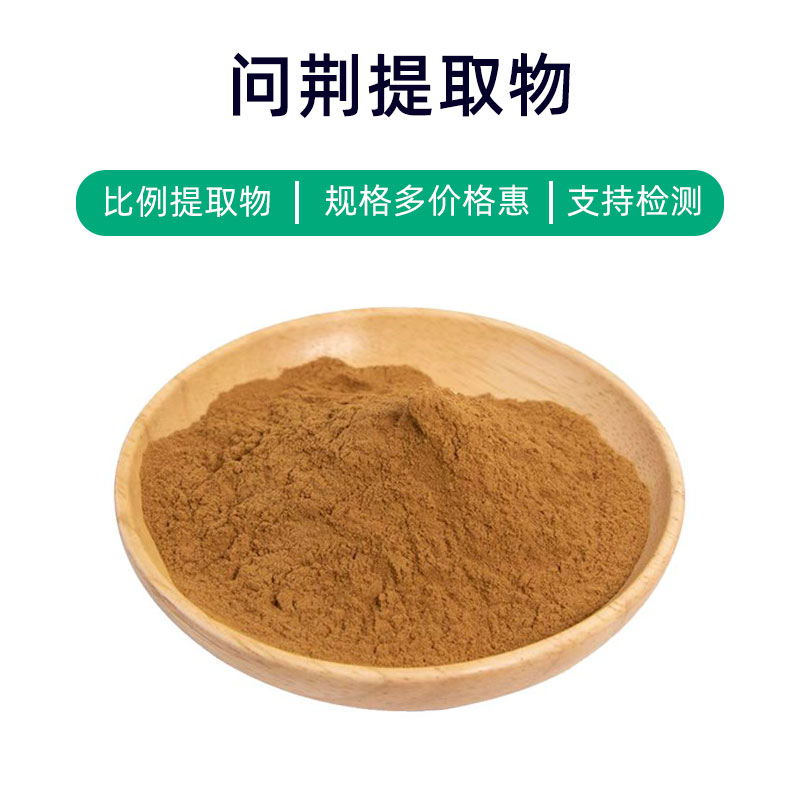



Acorus Calamus Extract Product Introduction
Acorus Calamus Extract is derived from the rhizome of the Acorus Calamus plant, boasting a wealth of active ingredients including volatile oils, phenylpropanoids, and flavonoids. This extract finds extensive use across the fields of medicine, health products, food, and cosmetics.
In medicine, Acorus Calamus Extract is known for its calming effects, aiding in the relief of anxiety, tension, and insomnia—issues related to the nervous system. It is also utilized as a digestive health supplement, helping to alleviate indigestion, gastrointestinal discomfort, and loss of appetite. Furthermore, the extract has antioxidant properties, assisting in the removal of free radicals and slowing the aging process.
In food applications, Acorus Calamus Extract is frequently added to various functional foods to enhance nutritional value and health benefits. It can be used in flavorings, health teas, beverages, and baked goods.
Within cosmetics, Acorus Calamus Extract is commonly found in skincare products and perfumes, where its unique fragrance is used to enhance product appeal. It also has skin-soothing properties, purifying pores, and brightening skin tone, making it suitable for various skincare products.
Overall, due to its diverse effects and broad applications, Acorus Calamus Extract is highly regarded as a promising natural herbal extract.
Production Process of Acorus Calamus Extract
The production process of Acorus Calamus Extract generally involves the following main steps:
- Raw Material Preparation: Fresh Acorus Calamus rhizomes are chosen as the raw material. The quality of the raw material significantly impacts the quality of the extract, necessitating stringent selection and cleaning.
- Crushing and Grinding: After cleaning, the rhizomes are crushed and ground to enhance extraction efficiency. Mechanical grinding or slicing methods are commonly used to process the raw material into powder or granules.
- Extraction Process: Extraction is the key step in the production process, with frequent methods including water extraction, ethanol extraction, and supercritical fluid extraction. During the extraction process, parameters such as temperature, time, and solvent concentration are controlled to ensure the quality and yield of the extract.
- Concentration of Extracted Liquid: The liquid obtained from extraction undergoes concentration to remove excess moisture and solvents, resulting in a concentrated extract. Common concentration methods include vacuum concentration and spray drying.
- Purification Treatment: The concentrated extract is purified to remove impurities and unwanted components, enhancing the product's purity and activity. Purification methods include gel chromatography, column chromatography, and counter-current chromatography.
- Drying Treatment: The purified extract is dried to reduce moisture content, improving stability and shelf life. Common drying methods include spray drying, vacuum drying, and freeze-drying.
- Packaging and Storage: Finally, the dried extract is packaged, typically in sealed containers, to prevent oxidative damage and moisture contamination. It should be stored in a dry, cool, dark environment to prolong its shelf life and stability.
In summary, the production process of Acorus Calamus Extract includes raw material preparation, crushing and grinding, extraction, concentration, purification, drying, and packaging. Each step requires strict control to ensure the product's quality and safety.
Efficacy and Side Effects of Acorus Calamus Extract
Acorus Calamus Extract boasts multiple effects and benefits, primarily including the following aspects:
- Antibacterial and Anti-inflammatory: Rich in volatile oils and flavonoids, Acorus Calamus Extract exhibits significant antibacterial and anti-inflammatory properties, making it useful for treating skin infections and inflammation.
- Antioxidant: The polyphenol compounds and flavonoids in the extract possess strong antioxidant properties, capable of neutralizing free radicals, slowing aging, and protecting cells from oxidative damage.
- Calming and Sedative Effects: Compounds like citral in the volatile oils of Acorus Calamus Extract help calm the mind, alleviating anxiety and insomnia symptoms.
- Promotes Digestion: The volatile oils and flavonoids stimulate the digestive system, increasing gastric juice secretion, promoting digestion, and relieving indigestion.
- Anti-inflammatory and Pain Relief: Some active ingredients in the extract offer anti-inflammatory and pain-relief effects, beneficial for easing arthritis and muscle pain.
- Inhibition of Tumor Growth: Some studies suggest that certain components in Acorus Calamus Extract can inhibit the growth of tumor cells, demonstrating some effectiveness against certain types of tumors.
- Liver Protection: Certain components of the extract are known to protect the liver, reducing liver damage and promoting hepatocyte regeneration.
- Improvement of Circulation: The active ingredients in Acorus Calamus Extract promote blood circulation, lower blood pressure, and help prevent cardiovascular diseases.
Despite the numerous benefits of Acorus Calamus Extract, individual responses may vary, and dosage control is important. Prolonged or excessive use could lead to adverse effects such as dizziness, nausea, or allergic reactions; thus, it is advisable to consult a doctor or pharmacist before use.
Application Scenarios and Dosage of Acorus Calamus Extract
Acorus Calamus Extract is widely used in medicine, food, and cosmetics. Here is an overview of its applications and recommended dosages in various fields:
- Medical Applications:
- Acorus Calamus Extract is often used in traditional Chinese medicine formulations, such as ointments and tinctures, to treat ailments like rheumatic pains, diarrhea, and indigestion.
- Dosage: Common administration methods include topical and oral use. For topical application, the extract can be directly applied to affected areas 2-3 times daily; for oral use, a typical dosage of 10-20 milliliters of the tincture is taken 2-3 times daily.
- Food Applications:
- Acorus Calamus Extract can be used as a food additive for flavoring and enhancing the taste of products such as bread, pastries, and beverages.
- Dosage: Typically added according to specific recipe ratios, generally at 0.1-0.5 grams of extract per 1000 grams of food.
- Cosmetic Applications:
- Commonly incorporated into skincare products, Acorus Calamus Extract offers cooling, soothing, and antioxidant benefits, suitable for all skin types.
- Dosage: Used as an ingredient in creams, lotions, and serums, with the amount adjusted based on individual skin type and product formulation; generally recommended for use 1-2 times daily.
- Other Applications:
- Acorus Calamus Extract is also used in the production of fragrances and essential oils, providing a refreshing scent commonly found in perfumes and aromatherapy products.
- Dosage: Typically added according to formulation needs, usually in a concentration range of 1%-5%.
It is important to note that different application fields have varying purity and quality requirements for Acorus Calamus Extract; therefore, adjustments should be made based on the specific context, adhering to safety dosages and handling guidelines. Additionally, individuals with allergies to Acorus or a history of allergies should avoid related products to prevent adverse reactions.
Introduction to the Plant Source, Distribution, and Growth Environment of Acorus Calamus
Acorus Calamus, commonly known as sweet flag or calamus, is a perennial herbaceous plant belonging to the family Acoraceae. Below is an overview of the plant source, distribution, and growth environment of Acorus Calamus.
- Plant Source:
- Acorus Calamus is a common wetland herb with creeping rhizomes and upright stems. The leaves are strap-shaped, with small, dense flowers arranged in a spike. The rhizomes emit a strong aromatic scent, serving as the primary source of Acorus Calamus Extract.
- Distribution:
- Native to temperate and tropical regions of Eurasia, Acorus Calamus is commonly found in wetlands, marshes, along watercourses, and streams throughout Asia, Europe, and North America. In China, it is widely distributed in the Yangtze River basin, Yellow River basin, Northeast region, and Southwest region of the country.
- Growth Environment:
- Acorus Calamus thrives in moist environments, typically growing in marshes, wetlands, and along streams at altitudes below 1000 meters. It has a flexible soil requirement, adapting well to muddy soils and shallow waters in lakes and rivers. The plant enjoys full sunlight but can also tolerate semi-shaded conditions.
In summary, Acorus Calamus is a common wetland herb that prefers relatively accommodating growth conditions and is widely distributed near wetlands and waterways globally. Its rhizomes have a fragrant aroma, contributing it to be one of the main raw materials for Acorus Calamus Extract.
Processing and Storage of Acorus Calamus Extract
The processing of Acorus Calamus Extract generally involves several steps:
- Harvesting and Cleaning: Begin by harvesting the underground rhizomes and above-ground parts of the Acorus Calamus plant, followed by cleaning to remove soil and impurities.
- Chopping and Grinding: The cleaned Acorus Calamus is chopped or ground to facilitate the extraction of active components.
- Extraction: The chopped Acorus Calamus can be processed using methods such as water extraction or alcohol extraction to derive the active ingredients.
- Filtration and Concentration: The extraction liquid is filtered to eliminate solid impurities, followed by concentration techniques to reduce its moisture content, yielding a concentrated extract.
- Drying: Finally, the concentrated extract is dried to achieve a powdery or granulated form for easy storage and use.
For storage, Acorus Calamus Extract should be kept in a cool, dry, and well-ventilated environment to avoid direct sunlight and high temperatures. It should be sealed to prevent moisture and contamination, ensuring the stability and quality of the extract.

Monica Sun is a seasoned expert in the plant extraction industry with over a decade of experience in research and production. She specializes in the extraction and purification of plant active ingredients, focusing on driving innovation in natural product applications. Monica has participated in the development of multiple functional plant extracts, delivering high-value natural raw material solutions for the health food, pharmaceutical, and dietary supplement sectors.